Sign up via call center
Department
Spinal surgery at the private clinic Oxford Medical Kyiv

Thyroidectomy (removal of the thyroid gland)

Thyroidectomy is a surgical procedure involving partial or complete removal of the thyroid gland. The extent of surgery is determined individually and depends on the nature of the disease and the extent of tissue involvement.

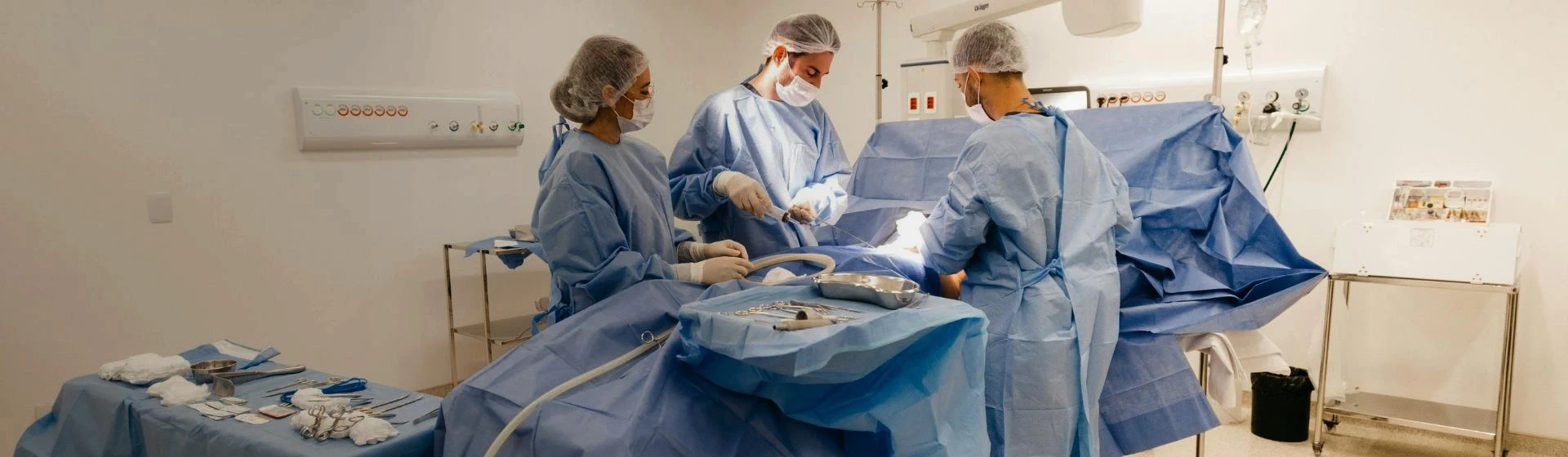
At the medical center «Oxford Medical» in Kyiv, thyroidectomy is performed in a high-technology surgical inpatient facility. Procedures are carried out by experienced surgeons specializing in thyroid surgery.

The surgical department is equipped with modern expert-class equipment. In particular, there is an intensive care unit with wards equipped with systems for monitoring and supporting vital functions.

Treatment at «Oxford Medical» is based on a comprehensive approach. Surgery is only one stage of care and includes thorough preoperative preparation, inpatient monitoring after the intervention, and further medical follow-up. This organization allows continuous monitoring of the patient’s condition and creates optimal conditions for effective treatment and stable recovery.

Make an appointment for a doctor’s consultation to receive individual recommendations regarding surgical treatment.

Indications for Thyroid Gland Removal

The decision on surgical treatment is made after a comprehensive examination
and assessment of the clinical situation. The main indications for thyroidectomy include:

thyroid cancer, as well as nodular formations with suspicion of malignancy or a tendency to grow;

follicular tumors in which malignancy cannot be reliably excluded without surgical intervention;

multinodular goiter accompanied by thyroid dysfunction or compression of surrounding anatomical structures;

diffuse toxic goiter in cases of ineffective drug therapy or recurrence after previous treatment.

List of diseases

Main Contraindications to Thyroidectomy

Thyroidectomy is a planned surgical procedure; therefore, before surgery, the patient’s general condition and the presence of factors that may increase the risk of complications are carefully assessed.

The main contraindications to thyroidectomy include:

  • acute infectious diseases or exacerbation of chronic inflammatory processes;
  • severe cardiovascular or respiratory diseases in the stage of decompensation;
  • pronounced renal dysfunction;
  • disorders of the blood coagulation system that cannot be corrected;
  • severe general condition of the patient that does not allow safe surgical intervention.

In most cases, these contraindications are temporary. After appropriate treatment, correction of concomitant conditions, and repeated assessment, the possibility of performing thyroidectomy is reconsidered. The final decision regarding the feasibility and safety of surgery is made individually based on examination results and specialist consultations.

Types of Thyroid Surgery

The extent of surgical intervention on the thyroid gland depends on the diagnosis. The following types of thyroid surgery are used:

Hemithyroidectomy

Removal of one lobe of the thyroid gland. It is used for localized lesions when the pathological process is limited to one lobe and the function of the other is preserved.

Subtotal Thyroidectomy

Removal of most of the thyroid tissue with partial preservation of functionally active areas. It may be used in certain forms of diffuse or multinodular goiter.

Total Thyroidectomy

Complete removal of the thyroid gland. It is most often performed for malignant tumors, multiple nodular lesions, or recurrent thyroid diseases.

In cases of malignant thyroid neoplasms, total thyroidectomy may be performed using an extrafascial approach. Extrafascial thyroidectomy involves removal of the gland within the fascial sheaths and, if necessary, is supplemented with lymph node dissection — removal of regional lymph nodes. The extent of surgery is determined individually according to tumor spread and examination results.

Preparation for Thyroid Removal Surgery

Preparation for thyroid removal surgery is an important stage aimed at assessing the patient’s general condition, clarifying the diagnosis, and reducing the risk of postoperative complications. The scope of preoperative examination is determined individually.

Standard preparation includes:

  • ultrasound examination of the thyroid gland;
  • laboratory blood tests, including thyroid hormone levels;
  • fine-needle aspiration biopsy of nodular formations, if indicated;
  • electrocardiography;
  • general and biochemical blood tests;
  • assessment of blood coagulation;
  • determination of blood group and Rh factor.

If necessary, additional examinations may be prescribed, including computed tomography or magnetic resonance imaging, thyroid scintigraphy, and consultations with related specialists.

Before surgery, the patient is examined by an anesthesiologist, who assesses the general condition and selects the optimal anesthesia strategy. According to the doctor’s recommendations, certain medications may be temporarily adjusted.

On the day before surgery, heavy food should be avoided. The last meal should be no later than 8 hours before the procedure. On the day of surgery, the patient must remain fasting.

Following all preparation recommendations allows the procedure to be performed safely and ensures a predictable postoperative course.

Thyroidectomy: Course of the Operation and Key Features

Thyroidectomy is performed using an open surgical approach through an incision in the neck. This method is standard in modern endocrine surgery and allows highly accurate removal of affected tissues or the entire gland.

The operation is carried out in an operating room after hospitalization in the surgical inpatient unit. Before surgery, standard preoperative preparation is completed, followed by administration of general anesthesia. Vital signs are continuously monitored throughout the procedure.
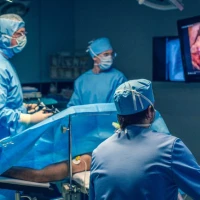
During thyroidectomy, the surgeon isolates the thyroid gland and removes one lobe, most of the gland, or the entire organ, depending on the planned extent of surgery. In oncological cases, the procedure may be expanded to include lymph node dissection.

After completion of the main stage, the surgical field is inspected, and sutures are placed. The patient is then transferred to the postoperative ward for early monitoring.

Postoperative Period and Rehabilitation

In most patients, the postoperative condition is stable, and they are transferred to single or double hotel-type rooms under constant medical supervision.

In the absence of complications, patients usually begin to get up and gradually return to physical activity on the first day after surgery. The duration of hospitalization depends on the extent of surgery and individual recovery characteristics.

After discharge, it is important to follow the doctor’s recommendations and attend scheduled follow-up examinations.

Nutrition after thyroid removal plays an important role in recovery. A balanced diet with sufficient protein, vitamins, and trace elements is recommended to support metabolism and overall recovery.

For successful rehabilitation after thyroidectomy, patients are advised to:

  • properly care for the postoperative wound;
  • take prescribed medications, including hormone replacement therapy if indicated;
  • gradually resume physical activity as recommended;
  • avoid significant physical exertion during the first weeks;
  • follow dietary and daily routine recommendations;
  • attend all scheduled follow-up visits.

A comprehensive approach to postoperative care helps ensure stable recovery and reduces the risk of complications.

Possible Complications of Thyroidectomy

When surgery is performed correctly and medical recommendations are followed, the risk of complications is minimal.

Possible complications include:

  • bleeding or postoperative hematoma in the surgical area;
  • temporary or persistent voice changes due to nerve irritation or damage;
  • decreased blood calcium levels caused by impaired parathyroid gland function;
  • infectious complications of the surgical wound;
  • swelling of soft tissues in the neck.

In most cases, these complications are temporary and treatable. Regular follow-up, laboratory monitoring, and timely medical consultation help minimize risks and ensure safe recovery.

Cost of Thyroid Removal Surgery at «Oxford Medical» Clinic in Kyiv

The cost of thyroidectomy depends on:

  • the extent of surgery — complete or partial removal of the thyroid gland, as well as the need for additional surgical procedures;
  • the duration and conditions of the inpatient stay after surgery.

You can review prices in advance here. A more accurate cost is determined by the doctor after consultation, examination, and diagnostic evaluation.

Frequently Asked Questions

How long does thyroid removal surgery take?

The procedure usually lasts 1–2 hours. The duration depends on the extent of surgery and clinical complexity.

What should not be done after thyroid removal?

During the first weeks, heavy lifting, intense physical activity, and sudden neck movements should be avoided. Medications must be taken strictly as prescribed.

Which foods are prohibited after thyroid removal?

It is recommended to limit fatty, fried, spicy foods, alcohol, excessive coffee, and carbonated drinks. Nutrition should be balanced and nutrient-rich.

Is it possible to live a full life without the thyroid gland?

A full life without a thyroid gland is possible with the right hormone replacement therapy. After surgery, the patient regularly takes medications that compensate for the function of the gland and undergoes control examinations. By following the doctor's recommendations, a person can lead an active lifestyle without significant restrictions.

Is pregnancy possible after thyroid removal?

Pregnancy is possible after stabilization of hormone levels. Planning should be done in consultation with an endocrinologist, with regular monitoring during pregnancy.

How is the thyroid gland removed?

A thyroidectomy is an open surgical procedure performed through an opening in the neck. During the procedure, the doctor removes part or all of the thyroid gland, depending on the extent of the surgery. The procedure is performed in a hospital setting, following modern safety standards.

In what cases is the thyroid gland removed?

Thyroidectomy is performed for malignant neoplasms, multinodular goiter, diffuse toxic goiter, or nodules suspected of being cancerous. Surgery may also be recommended in cases of recurrence of the disease or failure of medical treatment.

How long does the postoperative suture heal?

Initial healing usually occurs within 2–3 weeks. Complete scar maturation may take several months, depending on individual factors.

( Rating: 4.81 , Votes: 26 )
Surgical ward
Our services
Consultations
Add Added
Consultation with a surgeon
1100.00 ₴
Add Added

Advantages of Thyroidectomy at «Oxford Medical» Clinic

Experienced surgeons. The operations are performed by doctors with extensive practical experience in endocrine surgery.

Modern equipment. Operating rooms are equipped with expert-class technology.

Intensive care unit. Continuous monitoring of vital functions is available when required.

Comfortable inpatient conditions. Single and double hotel-type rooms ensure patient comfort during recovery.

Our doctors

Lishchenko Alexey Petrovich
4.94
rating (18)
22+
Years of experience
Online consultation
Endocrinologist surgeon
22+ Years of experience
Consultation 1100
Kyiv, Hlybochytska St., 40x
Make an appointment
All doctors
Reviews
Альона 29.01.2026
Щиро дякую хірургу Фроловій Єлені Юріївні за суперово виконану операцію. Втручання було невелике, але для мене дуже важливе — і все пройшло швидко, акуратно та без ускладнень. Лікар уважна, спокіна, усе пояснив перед процедурою, так як я боялась- вона мене підтримувала та відволікала)) Загоєння проходило добре, шви зняла безболісно, результатом повністю задоволена. Дуже приємно мати справу з таким відповідальним і людяним спеціалістом. Рекомендую від щирого серця.
Star Star Star Star Star
Яніна 18.01.2026
Хочу висловити подяку Мудрієвському Богдану Любомировичу. Моєму батьку було зроблено ургентно (15.12.2025) операцію по видаленню жовчного міхура. Поки я їхала в лікарню лікар і медперсонал підготували тата до операції. Велика подяка Богдану Любомировичу за Професіоналізм, за чітке пояснення і відповіді на всі питання. Цей лікар не тільки Професіонал своєї справи з великої літери, це ще і чудова людина!!! Бажаємо Богдану Любомировичу міцного здоров'я і завжди залишатися такою ж чудовою та розуміючою людиною
Star Star Star Star Star
News
All Articles
Sign up via call center
in the clinic
online
This site is protected by reCAPTCHA technology, and the Google Privacy Policy and Terms of Service apply.
Hello!
Let's take care
about your health:
Sign up via call center

We use cookies and other technologies to remember your preferences and find out exactly how you use and interact with the site.

By using our site, you also agree to the terms of the "User Agreement" and "Regulation on the processing and protection of personal data". By clicking "I AGREE", you consent to the processing of your data.