


high temperature
Sign up via call center 
 Adults Adults Adults Adults Adults Adults Adults Adults Adults
  Children Children Children Children
Department
Adults Outpatient department
Adults Outpatient department
Inpatient department
Adults Inpatient department
Aesthetic medicine
Adults Aesthetic medicine
Dentistry
Adults Dentistry
Plastic surgery
Adults Plastic surgery
Diagnostics
Adults Diagnostics
Analyzes
Adults Analyzes
Outbound services
Adults Outbound services
Children Outpatient department
Children Outpatient department
Dentistry
Children Dentistry
Diagnostics
Children Diagnostics

Kyiv


 Hotline:
 Request a call:


Department
Adults Outpatient department
Adults Outpatient department
Inpatient department
Adults Inpatient department
Aesthetic medicine
Adults Aesthetic medicine
Dentistry
Adults Dentistry
Plastic surgery
Adults Plastic surgery
Diagnostics
Adults Diagnostics
Analyzes
Adults Analyzes
Outbound services
Adults Outbound services
Children Outpatient department
Children Outpatient department
Dentistry
Children Dentistry
Diagnostics
Children Diagnostics
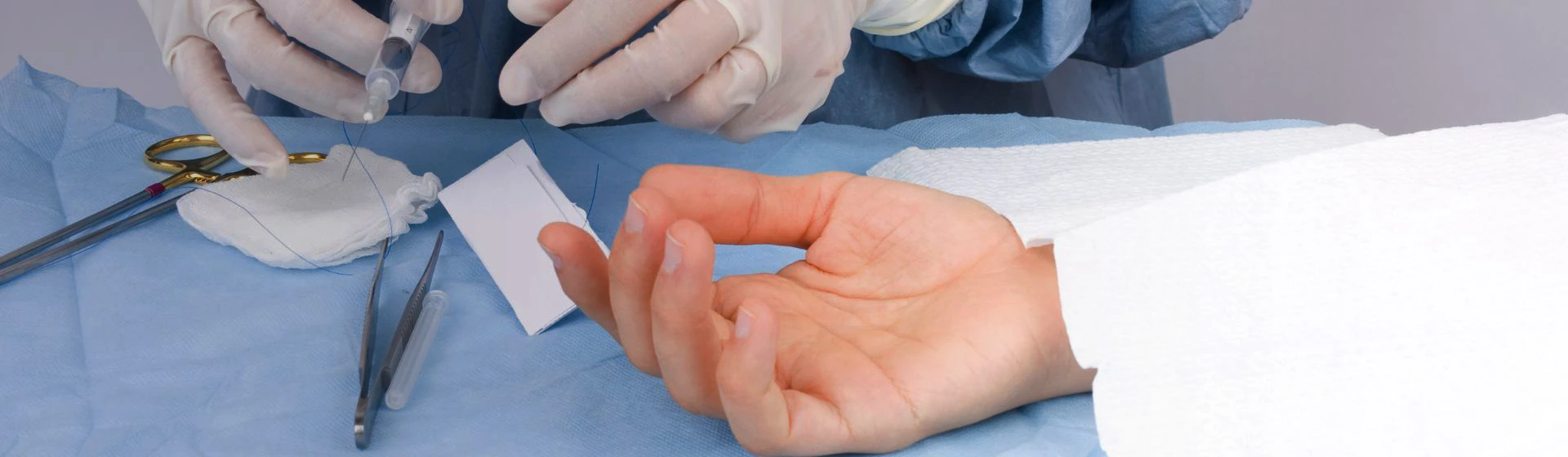
Removal of ticks
Removal of ticks
The hundreds of thousands of people annually suffer from the bites of ticks. In most cases, they do not take it seriously, not visiting the doctor. However, the ticks are the transmitting agents of many infections, the most dangerous and widespread are the tick-borne encephalitis and Lyme disease. That is why if the tick bit you, it is better to entrust its removal to the specialist.

Why is the bite of a tick dangerous?
The main danger, posed by the bite of the tick, is contracting the infection, the transmitting agent of which is the insect. Around 20% of ticks transmit one infection, while 15% - two and more.
Even if you are lucky and the tick, which bit you, is sterile (without infections, to which the man is susceptible), its bite is still dangerous for health, because the saliva of the tick increases the risk of development of allergic reactions in the human organism. The inappropriate attempts to remove the tick can result in the fact that the parts of its body will remain in the skin, thus causing the inflammation.
The long-term effects of the bite of the tick can affect the nervous system (encephalitis, headaches, paralysis), joints (arthritis), heart (arrhythmia), lungs (pneumonia), liver and kidneys(nephritis).
How to recognize a tick bite
For biting, the tick finds the parts of the body with tender skin with closely located capillaries. The bite is most often on the ears, neck, chest, armpits, abdomen, waist and pelvic area.
The bite of the tick is painless, that is why the embedded tick remains unnoticed for long time. The round reddening with diameter of several centimeters, in the center of which the embedded tick usually is, appears on the site of the bite.
The allergic patients, people with weak immune system (specifically among children and aged people) may have an especially strong reaction, which is manifested by the headache, nausea and vomiting, breathing difficulty, hallucinations etc.
Symptoms of a tick bite
In response to the bite of the tick and infections, caused by it, there may appear
the following symptoms:


edema
chill
weakness
joint ache
rush
swollen lymph nodes

How to remove a tick?
There are many ways of removing the tick by using the thread, pincers, petrol, wedding ring and sunflower oil; however, neither of them guarantees that the encephalitis will be fully removed, and the site of the bite will be treated in an appropriate way. Most often, as the result of such ‘aid’, the tick is damaged, and its infected content gets into the human blood, and the pieces of the insect, which was not fully removed, remain in the skin.
The only way to safely get rid of the tick is to apply to the doctor. The surgeons of Oxford Medical clinic will quickly and painlessly remove the tick in sterile conditions, not leaving the slightest parts of the insect inside the skin. The doctor will also advise further measures, which will allow you to secure your health from all consequences of the contact with the tick.
After the bite, within 2-3 weeks, you should attentively observe your own well-being and apply to the doctor in case of appearance of the first symptoms of health deterioration.
In order to remove the tick in Oxford Medical clinic, please call us and our operator will schedule prompt appointment with the doctor for you.

