obesity
Removal of bowel cancer
The intestine is the lower part of the gastrointestinal tract, where nutrients are absorbed from food and the formation of feces from undigested remnants is taking place. Colon tumors are a large group of diseases, which include neoplasms of the intestinal mucosa.

Symptoms of Intestinal Tumors
Symptoms of colon cancer depend on the location and stage of the tumor.
Signs of the presence of tumors in the colon or appendix can be:
- persistent abdominal pain;
- discomfort in the pelvic area;
- increase of the peritoneum;
- intestinal obstruction;
- ovarian neoplasms, etc.
Benign neoplasms of the appendix are quite rare and include polyps and adenomas. Detection of malignant tumors of the appendix is problematic, since in the initial stages they do not have specific symptoms, proceeding almost asymptomatically. Therefore, they are usually diagnosed when the tumor already has a significant size.
Diagnosis of colon tumors
The following methods are used for the diagnosis of colon tumors:
- a detailed blood test and search for cancer markers;
- CT;
- X-ray;
- еxamination of feces for hidden blood;
- biopsy followed by histological and cytological examination;
- urine analysis.
During endoscopic examinations (rectoromanoscopy, colonoscopy) special devices are inserted into the intestine through the rectum. They have the form of enteral tube with a video camera at the end. Due to these devices the doctor can not only carefully examine the intestinal mucosa but also take tissue samples to determine the possible malignant nature of the formation.
X-ray examination and computed tomography make it possible to obtain an image of suspicious areas of the intestine.
Colon Tumor Surgery
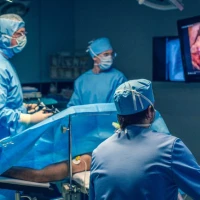
Removal of colon tumors is performed by endoscopic dissection of the intestinal mucosa. If endoscopic surgery is not possible, open or laparoscopic surgery is performed. A patient must notify the surgeon about any medications taken before the operation will be conducted.
Resection of a fragment of the colon is performed with the purpose to remove primary and secondary malignancies (in case of primary colon cancer or if metastases of another cancer localization are observed), as well as in some other diseases, including: inflammatory bowel diseases (colitis or Crohn's disease), intestinal ischemia, bleeding or intestinal obstruction.
After the operation a histological examination of the removed tissues is performed. The result will show whether the tumor is malignant or not and also the extent of metastatic lesions, etc.
To make an appointment for a surgeon’s consultation at the «Oxford Medical» Clinic, call us or fill in the form on the website.
Risk factors for the development of tumors
Among the risk factors that can trigger the development of neoplasms are the following:
alcohol abuse
an unbalanced diet
sedentary lifestyle
genetic predisposition
inflammatory diseases of the bowel
Our doctors
Let's take care
about your health: