


pain, heaviness in abdomen
Gastroscopy is the examination of the internal walls of the gastrointestinal tract by means of a special flexible instrument with fibre-optic fibre within and a micro-lens at the end of the device – endoscope.

 Adults Adults Adults Adults Adults Adults Adults Adults Adults
  Children Children Children Children


 Hotline:
 Adults Adults Adults Adults Adults Adults Adults Adults Adults Children Children Children Children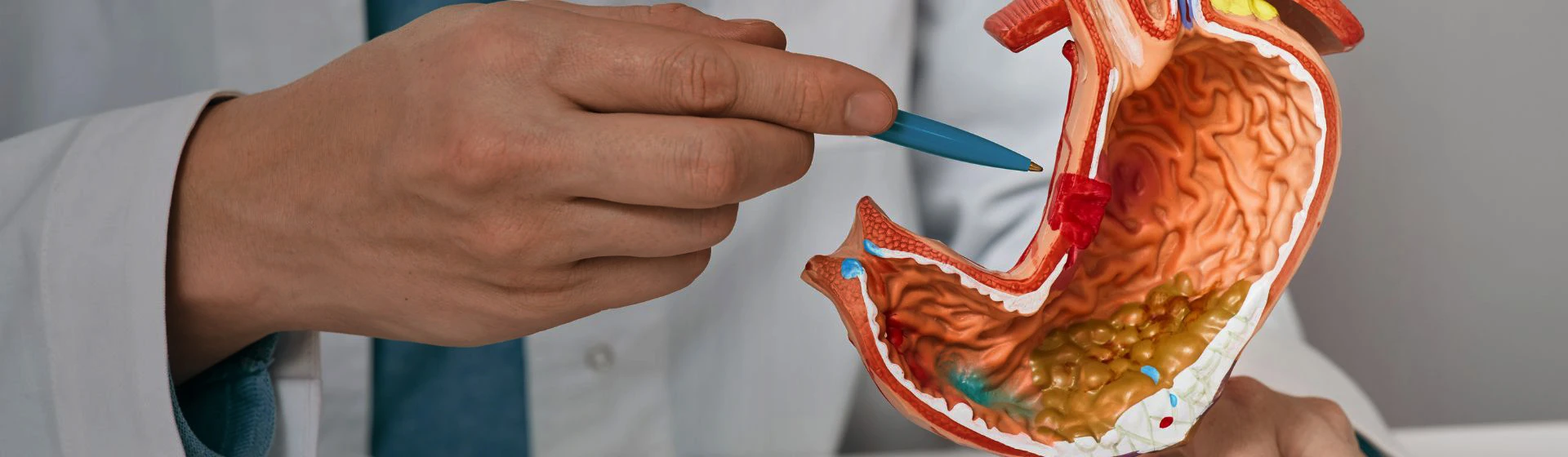
Gastrointestinal tumors are formed from the tissues of digestive organs. Most often, people over 40 are susceptible to these diseases. As a rule, the mucous membrane of the gastrointestinal tract develops into a tumor. It’s the tissue that, more often than other tissues, contacts with carcinogens which are supplied with water and food
The uprise of new growths is preceded by inflammatory diseases caused by Helicobacter pylori or other common stomach pathogens. The risk factor for most types of upper digestive tract cancer is smoking, regular consumption of spicy, fatty or salty food.
For diagnostics, laboratory and instrumental studies are carried out:
Laboratory studies:
Modern instrumental methods for examining the stomach and duodenum include:
Gastroscopy is the examination of the internal walls of the gastrointestinal tract by means of a special flexible instrument with fibre-optic fibre within and a micro-lens at the end of the device – endoscope.
X-ray and CT scan - in addition to the stomach and the duodenum - provides the examination of other abdominal organs.
Echography or ultrasound of the stomach is less informative than the first two. It is optional if the doctor has doubts about the interpretation of the results of other examinations.
Pain, heartburn, nausea, or vomiting, in most cases, are aggravating after a meal, but can also be troublesome on an empty stomach. Pain in the abdomen can also occur on palpation. Sometimes patients complain of a heaviness in the abdomen after eating, even if the person is not yet full.
Under unfavorable circumstances, polyps, cysts and other benign formations are prone to mutation into malignant tumors.
At the early stages of stomach new growths, their manifestations are minimal.
As they increase, the symptoms gradually increase too:


pain, heaviness in abdomen
nausea, vomiting with no objective reasons
sharp weight loss
frequent heartburn
decreased appetite or constant feeling of hunger
feeling of the presence of a foreign body
weakness, decreased functioning, depression

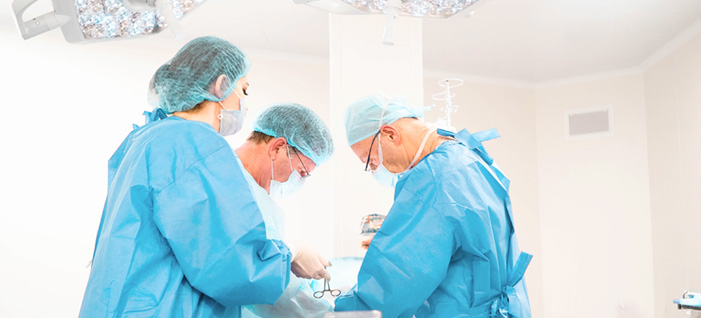
Treatment of inflammatory diseases of the gastrointestinal tract is carried out by a gastroenterologist, however, in cases where the run of the disease is complicated by the presence of tumors, the doctor decides on the advicability of their surgical removal.
Removal of neoplasms of the stomach or duodenum at the «Oxford Medical» clinic is performed by an open or laparoscopic method. At the early stages, polyps of the small intestine can be removed endoscopically.
Unlike classical open surgical interventions, there are practically no traces left after laparoscopic surgery and the recovery period after it is much shorter.
To make an appointment with a surgeon at the «Oxford Medical» clinic, call us or fill out the form on the website.
Please note! Hospitalization and surgery at the «Oxford Medical» clinic require a mandatory PCR test for coronavirus.



 4.58
4.58  42+
42+  42+ Years of experience
  Kyiv, st. Bereznyakivska, 30b


 in the clinic
  online
  Hello!


