Sign up via call center
Department
Polyps in the rectum: price of removal of anal polyps in Kyiv | Oxford Medical

Removal of rectal polyps

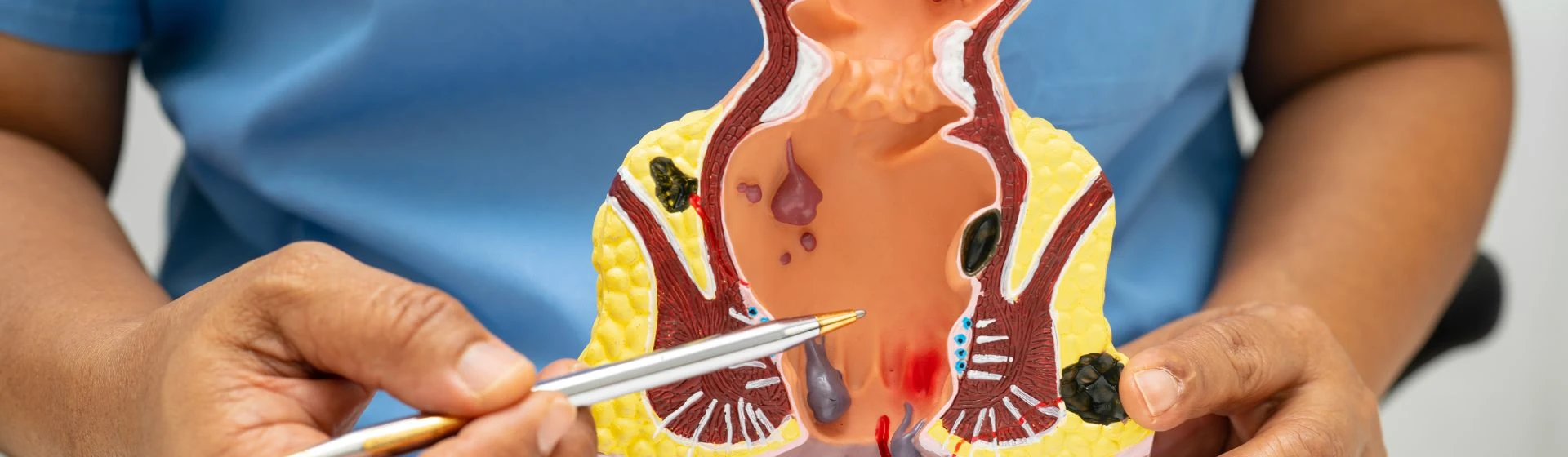
Rectal polyps — are benign neoplasms that may form on the inner surface of the intestine or in the anal canal. In many cases, they do not cause pronounced symptoms for a long time, so a person may not even suspect their presence. However, sometimes polyps in the rectum may cause bloody or mucous discharge, a sensation of a foreign body in the anus, discomfort during defecation, or other unpleasant symptoms.

The treatment strategy is determined individually, depending on the size of the polyps, their number and location, as well as the severity of complaints. In most cases, polyps are recommended to be removed, since over time they may increase in size or transform into malignant formations.

Causes of rectal polyps

Rectal polyps occur due to excessive growth of the intestinal mucosa. The exact mechanism of their formation cannot always be determined, however it is known that the development of such formations may be promoted by various factors — from hereditary predisposition to chronic intestinal diseases.

The main causes and factors that may contribute to the formation of polyps include:

  • hereditary predisposition — the risk of development may be higher if similar diseases were present in close relatives;
  • chronic inflammatory processes in the intestine — prolonged inflammation of the mucous membrane may lead to its pathological overgrowth;
  • disorders of the gastrointestinal tract — frequent constipation, diarrhea or other digestive disorders;
  • age-related changes in the intestinal mucosa — with age, the probability of the appearance of such formations gradually increases;
  • unbalanced nutrition — excessive consumption of fatty food, insufficient amount of fiber in the diet;
  • a sedentary lifestyle, which may affect intestinal function and blood circulation in the pelvic area.

Sometimes polyps in the rectum form without pronounced provoking factors and are detected accidentally during examination. That is why when symptoms appear it is important to consult a doctor and undergo the necessary diagnostics.

Rectal polyps: symptoms and signs

In the early stages, polyps in the rectum often do not cause noticeable
symptoms. However, as the polyp increases in size or becomes injured during
defecation, various manifestations may appear.

Most often, patients note the following symptoms:

bloody or mucous discharge during defecation;

a feeling of a foreign body or discomfort in the anal canal;

pain or unpleasant sensations during bowel movements;

bowel movement disorders — constipation or a feeling of incomplete bowel emptying.

List of diseases

Diagnosis of rectal polyps

Diagnosis begins with a consultation with a proctologist. During the appointment, the specialist clarifies the patient’s complaints, specifies the duration of symptoms, and performs an examination of the anal area. In some cases, already during the initial examination the doctor may suspect a polyp of the anal canal or other changes in the mucous membrane.

To уточнить the diagnosis, instrumental research methods may be used. Most often the following are used:

  • anoscopy — examination of the anal canal using a special instrument;
  • sigmoidoscopy — examination of the rectum that allows detailed visualization of the mucous membrane;
  • colonoscopy — an endoscopic examination of the large intestine that allows detection of polyps or other changes in a larger section of the intestine.

During the endoscopic examination, the doctor can assess the size, shape, and location of the formation. If a polyp in the rectum or other formations of the mucous membrane are detected, including polyps of the large intestine, the further treatment strategy and the need for their removal are determined.

Anal polyps: treatment and features

The treatment strategy depends on the size, number, and location of the formations, as well as on the presence of symptoms. If during examination small polyps in the anus are detected that do not cause complaints and do not have signs of dangerous changes, the doctor may recommend dynamic observation. In such cases, the patient undergoes periodic follow-up examinations to assess the condition of the mucous membrane and to notice possible changes in time.

It is important to understand that polyps cannot be eliminated with medication. Medicines are not able to reduce or remove such formations. However, drug therapy may be used to treat accompanying diseases — for example, inflammatory processes, hemorrhoids, or other proctological problems that may cause discomfort.

If during the examination a polyp of the anus or other formations of the mucous membrane that may cause complications or lead to symptoms are detected, the doctor may recommend their removal. Timely treatment helps avoid possible complications and reduces the risk of developing more serious diseases of the rectum.

How rectal polyps are removed

The method of polyp removal is selected individually — depending on its size, shape, location, and the results of the examination. In modern proctology, preference is given to minimally invasive methods that allow the formation to be removed as precisely as possible with minimal tissue trauma.

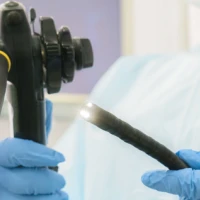
In many cases, surgery to remove rectal polyps is performed endoscopically. A polyp can be detected and immediately removed during colonoscopy or another endoscopic examination. During the procedure, the doctor inserts a thin endoscope with a camera and lighting into the intestine, which allows detailed examination of the mucous membrane. Using a special loop or other instruments, the polyp is carefully separated from the intestinal wall and removed.

If the formation is located in the area of the anal canal or has specific structural features, other minimally invasive methods may be used. For example, in such cases radio wave surgery using the «Surgitron» device is applied, which allows tissues to be precisely removed while simultaneously coagulating blood vessels, reducing the risk of bleeding.

After removal, the polyp tissue is обязательно sent for histological examination. This is necessary to determine the type of formation and to exclude possible malignant changes. Modern techniques allow the procedure to be performed without large incisions, with minimal discomfort for the patient and a short recovery period. In most cases hospitalization is not required, and the patient can return home on the same day.

Indications and contraindications for removal of a rectal polyp

In most cases, polyps are recommended to be removed, as they may gradually increase in size, cause unpleasant symptoms, or carry a risk of malignant transformation.

The main indications for removal are:

  • increase in the size of the formation or the presence of several polyps;
  • bloody or mucous discharge from the rectum;
  • pain or discomfort during defecation;
  • risk of complications, including inflammation or trauma of the polyp.

Polyps may cause additional problems, including bleeding, chronic irritation of the mucous membrane, or other proctological disorders. Large formations may sometimes be injured during defecation, cause discomfort, or make normal bowel emptying difficult. Without treatment, this may lead to worsening of symptoms and development of other proctological problems, including inflammatory changes of the mucous membrane or rectal prolapse. Therefore, timely treatment helps prevent further progression of the disease.

Contraindications to the procedure are determined individually. Most often the operation may be temporarily postponed in the following cases:

  • acute inflammatory processes in the rectal area;
  • severe infectious diseases or exacerbation of chronic illnesses;
  • blood clotting disorders;
  • severe general condition of the patient.

After stabilization of the condition or completion of preparatory treatment, the procedure can be performed safely. Before the intervention, the doctor обязательно evaluates the results of examinations, the general condition of the patient, and selects the optimal treatment strategy.

Stages of preparation for the operation

Proper preparation for the procedure helps perform the intervention safely and reduces the risk of complications.

Preparation usually includes several sequential stages:

  • Laboratory tests. The patient may be prescribed a general blood test, a coagulogram (to assess blood clotting), as well as other examinations if necessary.
  • Preparation of the intestine. One day before the procedure, the intestine is cleansed using special laxative medications or microenemas. This is necessary so that the doctor can clearly examine the mucous membrane and safely perform the intervention.
  • Following a light diet. For 1–2 days before the procedure, it is recommended to limit foods that cause gas formation or irritation of the intestine and to give preference to light food.
  • Adjustment of the intake of certain medications. If the patient takes anticoagulants or other medicines that affect blood clotting, the doctor may temporarily change the regimen of their intake before the procedure.

Following these recommendations helps properly prepare the intestine for the intervention, improves the examination of the mucous membrane and makes the procedure safer.

Rehabilitation after surgery

Recovery after removal of a rectal polyp usually proceeds quite quickly, especially if minimally invasive methods are used. In most cases, the patient can return to their usual lifestyle within a few days, however for a certain period it is important to follow the doctor’s recommendations.

During the first days after the procedure, slight discomfort in the rectal area, a sensation of irritation, or small bloody discharge may occur. Such manifestations are usually temporary and gradually disappear as the mucous membrane heals.

To ensure that recovery proceeds faster and without complications, the doctor may recommend:

  1. Following a diet that does not irritate the intestines. In the first days it is advisable to avoid spicy foods, alcohol, smoked products, fatty foods, a large amount of spices, and foods that cause gas formation (legumes, carbonated drinks, cabbage). The diet should preferably consist of boiled or stewed vegetables, porridge, soups, and lean fish or meat.
  2. Preventing constipation. It is important to maintain regular soft bowel movements. For this purpose, sufficient water intake, foods rich in fiber (vegetables, grains), or, according to the doctor’s recommendation, medications to normalize bowel movements may be advised.
  3. Temporarily limiting physical activity. For 1–2 weeks it is advisable to avoid lifting heavy objects, intensive training, and excessive strain.
  4. Maintaining hygiene of the anal area. After defecation, washing with warm water or using gentle hygiene products is recommended to reduce irritation and promote tissue healing.

The doctor may also schedule a follow-up examination or additional diagnostic tests to assess the condition of the mucous membrane and make sure that recovery is progressing normally.

How much does rectal polyp removal surgery cost in Kyiv

The price for removal of rectal polyps depends on several factors:

  • the size and number of formations;
  • their location;
  • the method of removal.

In the proctology department of «Oxford Medical» in Kyiv, patients have access to modern medical services for the diagnosis and treatment of proctological diseases. You can предварительно ознакомиться with the prices here. The doctor will provide more precise information regarding treatment options and the cost of the procedure during the consultation.

You can book an appointment at a convenient time for you — by phone or through the online booking form on the website.

Frequently Asked Questions:

Can you sit after rectal polyp removal?

In most cases, sitting after rectal polyp removal is allowed on the same day. However, during the first few days it is advisable to avoid prolonged sitting and strong pressure on the anal area. It is better to take breaks, move more, and not remain in one position for a long time. If the procedure was more extensive, the doctor may recommend temporarily limiting sitting for 1–2 days.

Is it necessary to remove a rectal polyp?

In most cases, doctors recommend removing an anal polyp even if it does not cause pronounced symptoms. This is because some polyps may gradually increase in size or change their structure over time. Removal allows the formation to be eliminated and a histological examination to be performed to determine its type and rule out the risk of malignant changes.

What can you eat after rectal polyp removal?

After rectal polyp removal, a diet that does not irritate the intestines and promotes soft bowel movements is recommended. The diet may include cereals, vegetable soups, stewed or boiled vegetables, lean fish, and meat. It is important to drink enough water. For some time, it is advisable to limit spicy food, alcohol, smoked products, and foods that may cause constipation or irritation of the mucous membrane.

( Rating: 4.89 , Votes: 53 )
Our services
Consultations
Consultation with a proctologist surgeon
1100.00 ₴
Add Added
Consultation with a leading proctologist surgeon
1989.00 ₴
Add Added
Services
Anal polyp removal
9889.00 ₴
Sign up by the call center
Polypectomy during colonoscopy of category I complexity (1-5 polyps)
3889.00 ₴
Sign up by the call center
Polypectomy during colonoscopy of the II category of complexity (1-5 polyps)
6589.00 ₴
Sign up by the call center
Polypectomy during colonoscopy of the III category of complexity (1-2 polyps)
12589.00 ₴
Sign up by the call center
Polypectomy of each subsequent polyp during colonoscopy of the I category of complexity
1099.00 ₴
Sign up by the call center

Advantages of treatment at the private clinic «Oxford Medical»

Experienced proctologists. Specialists with extensive practical experience in diagnosing and treating rectal diseases who select the optimal treatment strategy for each patient.

Modern diagnostics. The clinic offers endoscopic examination methods, including sigmoidoscopy and colonoscopy, which allow accurate detection of polyps and assessment of the condition of the intestinal mucosa.

Minimally invasive removal methods. The use of modern technologies, including endoscopic and radio wave techniques, allows procedures to be performed without large incisions and with a short recovery period.

Comprehensive approach to treatment. The possibility to receive a consultation with a proctologist, undergo the necessary examinations, and receive treatment in one medical center.

Reviews
Марія 17.02.2026
Лікар Фролова, щиро дякую за високий професіоналізм, уважність та турботу! Призначене лікування виявилося ефективним і швидко дало позитивний результат. Дякую!!!
Star Star Star Star Star
Христина 14.02.2026
Я дуже вдячна лікарю Єлєні Юріївні Фроловій!!! Не вперше звертаюся за допомогою!! Налаштовує на позитив, все пояснить! Уважна, чуйна, добра, дуже грамотна та професійна! Дуже вдячна від усієї душі!
Star Star Star Star Star
Current information
All Articles
Sign up via call center
in the clinic
online
This site is protected by reCAPTCHA technology, and the Google Privacy Policy and Terms of Service apply.
Hello!
Let's take care
about your health:
Sign up via call center

We use cookies and other technologies to remember your preferences and find out exactly how you use and interact with the site.

By using our site, you also agree to the terms of the "User Agreement" and "Regulation on the processing and protection of personal data". By clicking "I AGREE", you consent to the processing of your data.