


congenital pathologies of the penis
Consist of flexible silicone tubes that are implanted into each corpora cavernosa. The disadvantage is that the penis remains permanently erect.

 Adults Adults Adults Adults Adults Adults Adults Adults Adults
  Children Children Children Children


 Hotline:
 Adults Adults Adults Adults Adults Adults Adults Adults Adults Children Children Children Children
A loyalty program is available for surgical interventions in the hospital, which makes treatment even more affordable.
Erectile dysfunction is the inability to achieve or maintain an erection for a sufficient period of time, which prevents sexual intercourse. About 10% of men under the age of 35 face this problem, while in the period from 40 to 60 years, complaints of potency disorders occur in 40%, and after 70 years - in 50%. At the same time, the main reason is not age-related changes, but various diseases.
The issue of potency is very delicate, so many men are in no hurry to go to the doctor. But the earlier the treatment is started, the faster and easier a positive result can be achieved. Modern techniques allow you to cope with erectile dysfunction in more than 95% of cases.
At Oxford Medical, the diagnosis of the causes and treatment of erectile dysfunction is carried out by a urologist, andrologist or genital surgeon. Thanks to the high professionalism of specialists, new equipment and the use of innovative techniques, every man can be sure of a successful solution to the problem.
Most often, erectile dysfunction is treated conservatively: medications, physiotherapy, etc. are prescribed.
In more complex cases, surgical methods are used:
If you are concerned about erectile dysfunction, make an appointment with a doctor. Every month, our specialists help dozens of men return to a quality sex life.

Achieving and maintaining an erection depends on several factors: the presence of free flow of arterial blood, the proper functioning of nerve endings, and control of all processes by the brain. If there are violations at one of the stages, erectile dysfunction develops.
The root cause may be:
abnormalities in the development of the genitourinary system;
injuries to the genitals;
diseases of the nervous system;
hormonal imbalance, in particular a decrease in testosterone levels;
cardiovascular diseases;
infections of the genitourinary system systems;
obesity;
depression, severe stress, chronic sleep deprivation;
excessive physical exertion;
long-term use of certain medications;
alcohol abuse.
According to statistics, in 15% of cases erectile dysfunction is psychogenic in nature, i.e. caused by stress, emotional overstrain, sleep deprivation, etc., but most men have organic disorders that require drug or surgical therapy.
Any erectile dysfunction – reason to consult a urologist or andrologist.
A consultation is especially necessary if:
there are periodic or constant difficulties with achieving and/or maintaining an erection;
the problem does not go away or worsens for 1-2 months or longer;
there are accompanying symptoms of urogenital disorders: changes in the frequency or nature of urination, pain during sexual intercourse, itching and/or changes in the skin in the genital area, etc.;
there were injuries to the abdominal cavity, genitals;
there are chronic diseases of the blood vessels, endocrine system, etc.
During the consultation, the doctor will conduct an examination and palpation, so before visiting the clinic, you should take care of your intimate hygiene. It is also recommended to observe sexual rest for 3-4 days.
When talking to a specialist, you should tell about all the symptoms and the time of their appearance, chronic diseases, medications you are taking, etc. If you have previously had tests or other examinations, show the doctor their results.
To find the cause of erectile dysfunction and choose the optimal treatment method, the doctor may prescribe:
general urine and blood tests;
blood biochemistry;
tests for infections;
ultrasound of the abdominal cavity, scrotum and penis;
vascular Doppler;
CT, MRI of the abdominal cavity and central nervous system.
The doctor determines which tests are necessary based on the patient's symptoms and medical history.
First of all, treatment is carried out using conservative methods.
Surgery is a radical treatment method and in more than 95% of cases
allows you to completely solve the problem with erection.
Indications for surgery may be:


congenital pathologies of the penis
changes in the structure of the vessels and cavernous bodies of the penis
cavernous fibrosis, scarring of the corpora cavernosa
Peyronie's disease
complications after injuries or surgical interventions on the organs of the genitourinary system
angiopathy, atherosclerosis of the arteries of the pelvis and penis
ineffectiveness of drug therapy and other conservative methods

All operations are performed under general anesthesia. The hospitalization period is from 1 to 3 days, depending on the patient's well-being, and rehabilitation - from 2 to 4 weeks.
In most cases, phalloprosthetics allows you to return to a quality sexual life. The presence of a hydraulic prosthesis allows you to achieve an erection in a few minutes and maintain it for the desired time. Such a phalloprosthetic completely repeats the shape of the penis and can be invisible to the partner. It does not affect sensitivity, does not interfere with orgasm and ejaculation.
The method of surgical treatment depends on the cause of erectile dysfunction. In particular, in the case of developmental anomalies or the consequences of injuries, surgical correction of anatomical defects is performed. In vascular pathology, endovascular surgery may be used. Both bypass surgery to restore normal blood supply to the genitals and ligation – bandaging of the deep dorsal vein, which blocks the outflow of blood from the cavernous bodies and helps to maintain an erection for a longer period of time are performed.
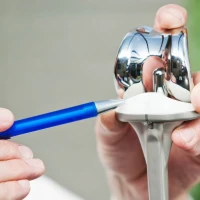
The most common and effective method today is considered to be phalloprosthetics. A special prosthesis is implanted into the penis, which allows you to achieve an erection at will and maintain it for the required time.

There are three types of phalloprostheses:
Consist of flexible silicone tubes that are implanted into each corpora cavernosa. The disadvantage is that the penis remains permanently erect.
Consists of cylinders that are implanted in the corpora cavernosa and a reservoir that is implanted in the scrotum. Provides natural erection and relaxation of the penis at rest.
It differs from the two-component one in that it has an additional fluid reservoir that is implanted in the pubic area. It provides a more natural, gradual onset of erection.
«Oxford Medical» operates a high-tech department of genital surgery. It is equipped with the latest equipment that allows for both open and minimally invasive surgeries of any complexity.
All surgeries are performed by genital surgeons who have completed training and internships abroad and have over 20 years of experience. They are rightfully considered the best specialists in Ukraine.
The cost of surgical treatment may vary depending on several factors:
What kind of surgery is required;
Whether a phalloprosthesis is implanted and its type;
The length of hospital stay.
You can find out the prices of surgical treatment here. Only a genital surgeon can provide more accurate information on the price. Sign up for a consultation at a time convenient for you.


Impotence is a violation of penile erection due to pathological changes in the body. As a result of the disease, an erection may be completely absent or may not be strong enough and long enough for sexual intercourse.
Erectile dysfunction is a disorder in which a man has difficulty achieving and maintaining an erection for a certain period of time, or an erection does not occur at all. The disease is said to occur if the decrease in potency is not an isolated case, but interferes with normal sexual activity.
In more than 95% of cases, erectile dysfunction is treatable. This may require both drug therapy and work with a psychologist. In the most difficult cases, implantation of a phalloprosthesis is performed.
Male potency depends on many factors: the proper functioning of the cardiovascular and nervous systems, hormonal balance, control of all processes by the brain, as well as the psycho-emotional state. Potency may decrease in case of illness, severe stress, chronic fatigue, as well as against the background of taking certain medications or alcohol abuse.
Impotence can develop as a result of vascular diseases, disorders of the nervous system, hormonal imbalance or psycho-emotional problems. Severe stress, neurosis, depression or chronic fatigue can affect the ability to achieve and maintain an erection. Also, taking certain medications, alcohol abuse and other bad habits have a negative impact.
Impotence can be caused by various diseases or psycho-emotional problems. For treatment, you first need to find the root cause. Depending on it, drug therapy, psychotherapy or surgical methods, such as phalloprosthetics, are used.
To check potency, a man is recommended to pay attention to whether spontaneous erections occur at night and in the morning, how often arousal occurs and whether it is accompanied by an erection, and whether there are any problems during sexual intercourse. In case of decreased potency, a urologist should be consulted for diagnosis and treatment.


Use of innovative technologies
Implantation of only high-quality phalloprostheses from leading manufacturers
Ensuring an aesthetic result – scars from the incisions and the phalloprosthesis itself are almost invisible
Maintaining confidentiality


 4.85
4.85  23+
23+  23+ Years of experience
  Kyiv, st. Bereznyakivska, 30b



 in the clinic
  online
  Hello!


