


The aorta is the largest artery in the human body, which delivers oxygen-rich blood from the lungs to all organs and tissues of the body.
Sign up via call center 
 Adults Adults Adults Adults Adults Adults Adults Adults Adults
  Children Children Children Children
Department
Adults Outpatient department
Adults Outpatient department
Inpatient department
Adults Inpatient department
Aesthetic medicine
Adults Aesthetic medicine
Dentistry
Adults Dentistry
Plastic surgery
Adults Plastic surgery
Diagnostics
Adults Diagnostics
Analyzes
Adults Analyzes
Outbound services
Adults Outbound services
Children Outpatient department
Children Outpatient department
Dentistry
Children Dentistry
Diagnostics
Children Diagnostics

Kyiv


 Hotline:
 Request a call:


Department
Adults Outpatient department
Adults Outpatient department
Inpatient department
Adults Inpatient department
Aesthetic medicine
Adults Aesthetic medicine
Dentistry
Adults Dentistry
Plastic surgery
Adults Plastic surgery
Diagnostics
Adults Diagnostics
Analyzes
Adults Analyzes
Outbound services
Adults Outbound services
Children Outpatient department
Children Outpatient department
Dentistry
Children Dentistry
Diagnostics
Children Diagnostics
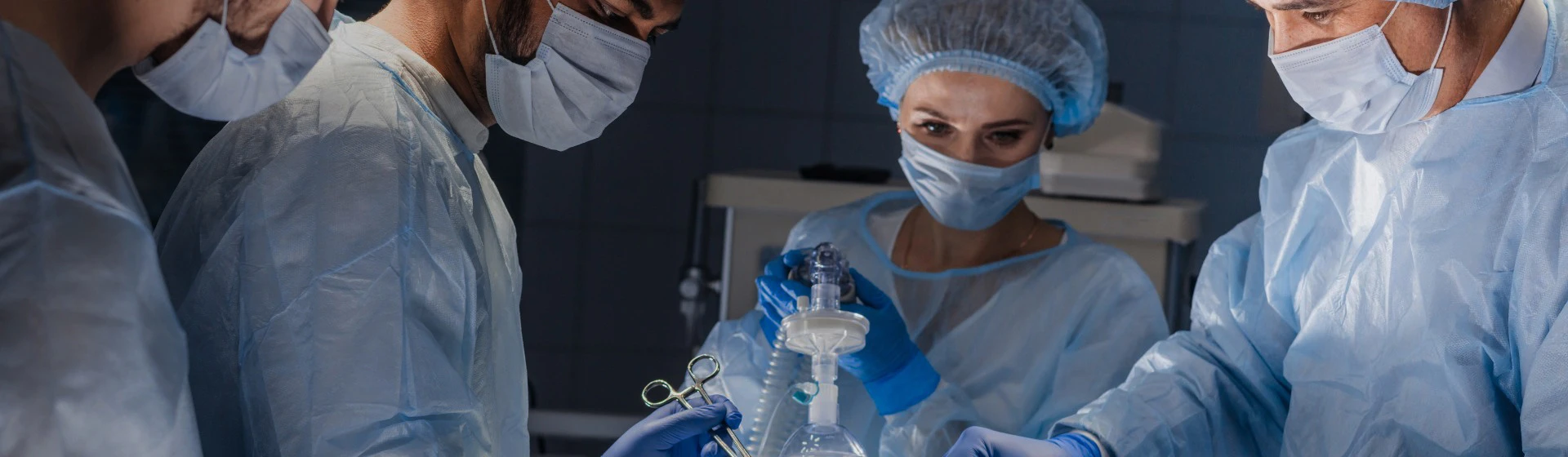
Surgery treatment of diseases of the aorta and peripheral arteries
Please note!
Hospitalization and surgery at the «Oxford Medical» Clinic requires mandatory PCR testing for coronavirus.
Arteries are the blood vessels that carry blood from the heart to the organs, as opposed to the veins, where the blood moves in the direction of the heart. The aorta, the largest artery in the human body, splits approximately at the level of the lower back and passes into the iliac arteries, and they in turn are divided into external and internal. If arteries patency is disrupted, the blood supply to the tissues decreases and gradually leads to serious health problems.
Causes and signs of arterial diseases
Symptoms of the disease depend on the location of the affected arteries:
- pain or tingling in the limbs;
- cramps, feeling of heaviness, discomfort in the legs;
- numbness in the limbs;
- spots, wounds, or ulcers on the skin;
- violation of hair growth on the shins or their gradual loss
- dry, cracked skin.
At first, the symptoms of arterial diseases often worsen after physical exercise and go away after rest. In the later stages, the symptoms are pronounced even at rest, indicating that the tissues do not receive enough blood even when the patient is having rest.
Arterial pathologies can be caused by:
- obesity;
- diabetes;
- hereditary atherosclerosis;
- smoking;
- sedentary lifestyle;
- cardiac conditions;
- consumption of low-quality food.
Diagnosis of aortic and peripheral artery diseases
The choice of diagnostic method depends on the location of the disease.
The following studies are usually prescribed:
- CT, angiography;
- x-ray control;
- ultrasound (doppler imaging, echocardiography).
Doppler imaging is used to measure blood flow and confirm the diagnosis of occlusive disease of the peripheral arteries. This procedure can accurately detect a narrowing or blockage of a blood vessel.
Doppler echography for measuring blood flow can also be performed during a physical exercise test, because some disorders show up only during exercise.
Doctors usually prescribe a general blood test, test for blood clotting indicators and determining the level of biomarkers in early stages with the manifestation of first symptoms. All these tests will also help to make a correct diagnosis.
Arterial diseases surgery
Timely identified artery diseases are treatable. If conservative methods of treatment are not effective, the patient is assigned to surgery.
Thrombendarterectomy is performed for thrombosis of the aorta or other arteries.
Revascularization with the help of synthetic or natural (often another vein) materials is performed to bypass the occluded segments. Performed in a timely manner, this operation prevents amputation of the limb and relieves the symptoms of the disease.
Sympathectomy is performed when serious cardiovascular surgery is contraindicated.
Amputation is an extreme measure, prescribed for severe infections, intractable pain or progressive gangrene, when other treatments are not effective.
To make an appointment with a surgeon at the «Oxford Medical» Clinic, call us or fill in the form on the website.
Aortic surgery: price at Oxford Medical clinic
The cost of aortic surgery may vary depending on its complexity. You can find out the prices for surgical treatment at «Oxford Medical» here. Only a surgeon can provide more accurate information about the cost of the operation, taking into account the diagnosis and other individual characteristics. Make an appointment for a consultation at a time convenient for you.
Surgical ward
General Surgery
Surgical treatment of aortic and peripheral arterial diseases
Show more 
Our services
Consultations

Consultation with a surgeon
1100.00 ₴
Add Added 
General surgery services
Ultrasound-guided puncture of cystic formation of III complexity category
5389.00 ₴
Sign up by the call center
Operation of the II category of complexity performed by a doctor of medical sciences
59889.00 ₴
Sign up by the call center
Operation of the III category of complexity
59889.00 ₴
Sign up by the call center
Operation of the III category of complexity performed by a doctor of medical sciences
69889.00 ₴
Sign up by the call center
Hartmann's operation
46889.00 ₴
Sign up by the call center
Answers to popular questions about surgical treatment of aortic and peripheral artery diseases
What is the aorta?
Where is the aorta of the heart located?
The aorta originates from the base of the left ventricle of the heart and runs downward and slightly to the left of the middle of the chest. It then descends down the front of the spine and extends throughout the body, delivering blood and oxygen to organs and tissues through a system of arteries. The ascending aorta, the aortic arch, and the descending aorta (thoracic and abdominal) are distinguished.
How does an aortic aneurysm manifest itself?
Aortic aneurysm develops asymptomatically for a long time. Signs of the disease appear as the aneurysm enlarges. Depending on its location, symptoms may vary. The main ones are pulse irregularities, pain in the chest or abdomen, a feeling of pulsation, shortness of breath, nausea, hemoptysis, etc. To confirm the diagnosis, an ultrasound of the heart, Dopplerography and other examinations are required.

Advantages of the General Surgery Department at Oxford Medical in Kyiv

Modern equipment. The latest technology ensures accurate diagnostics and safe surgeries.
Experienced surgeons. Doctors with many years of practice use advanced treatment methods.
Minimally invasive techniques. Laparoscopic surgery reduces trauma and speeds up recovery.
Comfortable conditions. Rehabilitation takes place in modern wards under staff supervision.
Loyalty program. Special offers make surgical treatment more affordable for patients.
Comprehensive approach. Patients receive full care: diagnostics, surgery, and rehabilitation.
Show more 
Our doctors
 4.9
4.9  47+
47+ 
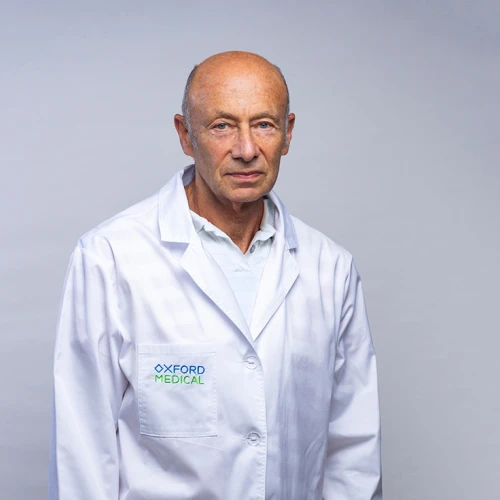
Surgeon of the highest category, Doctor of Medical Sciences
 47+ Years of experience
 4.58 42+
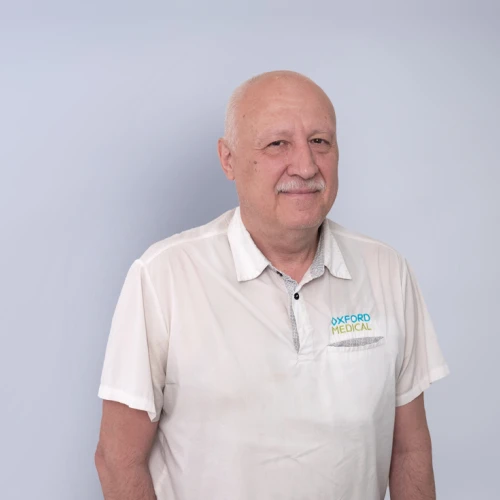
 Surgeon-oncologist of the highest category, Candidate of Medical Sciences
42+ Years of experience Consultation 1989
 Kyiv, st. Bereznyakivska, 30b
  4.84 40+
  4.95 43+
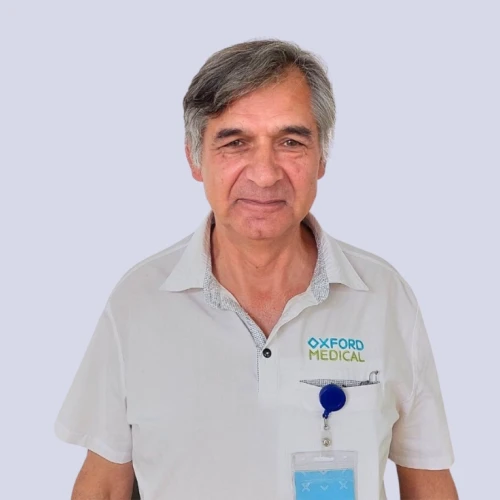
 Surgeon of the highest category
Candidate of Medical Sciences
Candidate of Medical Sciences
43+ Years of experience Consultation 1100
Kyiv, st. Bereznyakivska, 30b 
Reviews
Альона 29.01.2026
Щиро дякую хірургу Фроловій Єлені Юріївні за суперово виконану операцію. Втручання було невелике, але для мене дуже важливе — і все пройшло швидко, акуратно та без ускладнень. Лікар уважна, спокіна, усе пояснив перед процедурою, так як я боялась- вона мене підтримувала та відволікала)) Загоєння проходило добре, шви зняла безболісно, результатом повністю задоволена. Дуже приємно мати справу з таким відповідальним і людяним спеціалістом. Рекомендую від щирого серця.

Яніна 18.01.2026
Хочу висловити подяку Мудрієвському Богдану Любомировичу. Моєму батьку було зроблено ургентно (15.12.2025) операцію по видаленню жовчного міхура. Поки я їхала в лікарню лікар і медперсонал підготували тата до операції. Велика подяка Богдану Любомировичу за Професіоналізм, за чітке пояснення і відповіді на всі питання. Цей лікар не тільки Професіонал своєї справи з великої літери, це ще і чудова людина!!! Бажаємо Богдану Любомировичу міцного здоров'я і завжди залишатися такою ж чудовою та розуміючою людиною
Current information

23 December 2025
Laparoscopy in gynecology: how modern methods are changing approaches to operations
27 July 2025
Removal of the Thyroid Gland: Consequences, Rehabilitation, and Life After Surgery
23 July 2025
Everything About Joint Replacement: Price, When, For Whom, and How Arthroplasty Can Be Performed
18 March 2025
What is uterine suturing and when is it performed?
Sign up
 in the clinic
  online

 Hello!
Let's take care
about your health:
Sign up via call center 
