


genetic predisposition
Sign up via call center 
 Adults Adults Adults Adults Adults Adults Adults Adults Adults
  Children Children Children Children
Department
Adults Outpatient department
Adults Outpatient department
Inpatient department
Adults Inpatient department
Aesthetic medicine
Adults Aesthetic medicine
Dentistry
Adults Dentistry
Plastic surgery
Adults Plastic surgery
Diagnostics
Adults Diagnostics
Analyzes
Adults Analyzes
Outbound services
Adults Outbound services
Children Outpatient department
Children Outpatient department
Dentistry
Children Dentistry
Diagnostics
Children Diagnostics

Kyiv


 Hotline:
 Request a call:


Department
Adults Outpatient department
Adults Outpatient department
Inpatient department
Adults Inpatient department
Aesthetic medicine
Adults Aesthetic medicine
Dentistry
Adults Dentistry
Plastic surgery
Adults Plastic surgery
Diagnostics
Adults Diagnostics
Analyzes
Adults Analyzes
Outbound services
Adults Outbound services
Children Outpatient department
Children Outpatient department
Dentistry
Children Dentistry
Diagnostics
Children Diagnostics
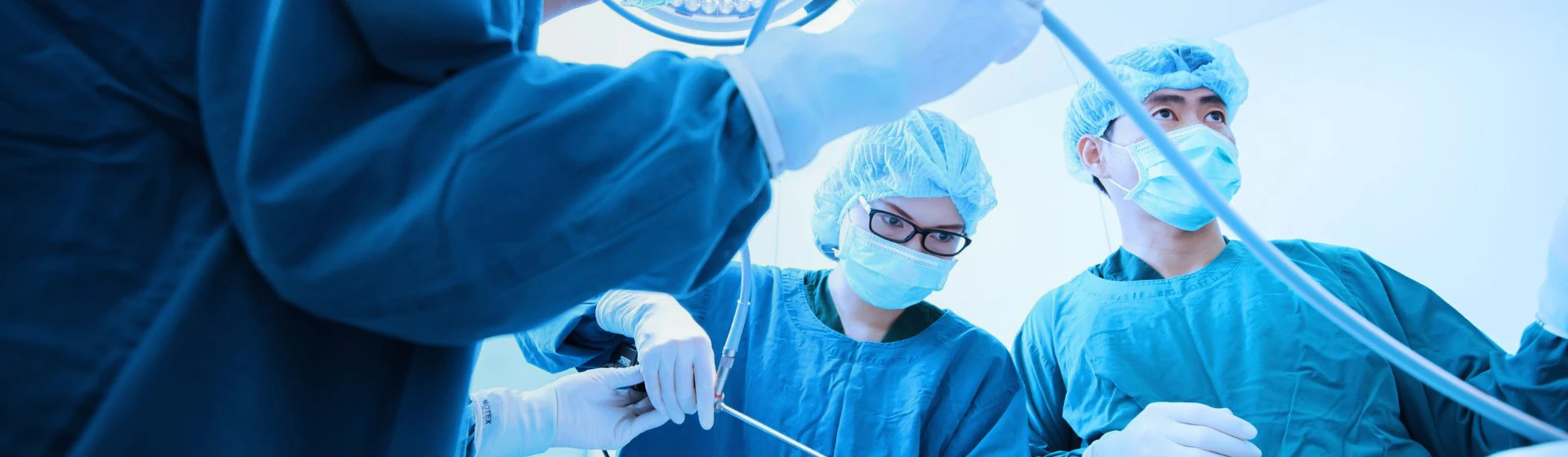
Laser transurethral lithotripsy
Laser transurethral lithotripsy in Kyiv
A loyalty program is available for surgical interventions in the hospital, which makes treatment even more affordable.
Laser transurethral lithotripsy - is an effective and safest method of treating urolithiasis. Stones are crushed using a flexible endoscope, which is inserted through the urethra into the bladder, ureter or kidney. The laser used in this process allows you to break the stones into microparticles, which are then easily excreted from the body naturally.
The advantages of laser lithotripsy are:
-
endoscopic access that does not require incisions;
-
crushing stones of any density and size;
-
impact only on the stones, no damage to surrounding tissues;
-
easy and short rehabilitation period.
At «Oxford Medical» laser lithotripsy is performed by experienced urological surgeons. They work on new, expert-class equipment and are guided by modern treatment protocols. Providing high-quality medical care using innovative techniques is the main principle of our clinic.
When is laser transurethral lithotripsy prescribed?
Today, there are several different methods of lithotripsy:
-
remote lithotripsy (shock wave);
-
contact transurethral lithotripsy (laser, ultrasonic, mechanical);
-
percutaneous lithotripsy (epidermal).
Each method has its own indications and contraindications. The doctor determines which one will be most effective for the patient individually. Today, many specialists prefer laser transurethral lithotripsy.
In particular, it is prescribed for:
-
stones in the ureter, bladder or kidney;
-
stone size from 0.5 to 2-3 cm in diameter;
-
any degree of stone density;
-
"stone path" after remote lithotripsy;
-
ineffectiveness of conservative methods;
-
high risk of urinary tract obstruction.
However, laser crushing of kidney stones is not recommended for patients with urethral stenosis, acute inflammatory diseases of the genitourinary system, renal failure, blood clotting disorders, severe cardiovascular pathologies. In such cases, acute diseases are first treated or another method of removing stones is chosen.
Preparation for the procedure and rehabilitation
Before laser lithotripsy, the patient undergoes a comprehensive examination. The results determine whether this procedure will be the optimal treatment option, and contraindications are also excluded. Usually, the patient is prescribed an ultrasound of the genitourinary system, urine and blood tests, and in some cases also - radiography and computed tomography. Women are recommended to undergo an examination by a gynecologist.
Immediately before the procedure, an ECG and preoperative tests (complete blood count and urine test, blood test for infections, blood test for blood group and Rh factor, coagulogram, etc.) are also performed.
When performing lithotripsy under general anesthesia, the patient may be recommended to cleanse the intestines and follow a light diet for 2-3 days before hospitalization.
Two weeks before the operation, it is recommended to stop taking medications that affect blood clotting.
Rehabilitation after laser lithotripsy is quick and easy for most patients. Usually, everyone returns to an active lifestyle within a few days. However, for several weeks, experts recommend avoiding heavy physical exertion and drinking plenty of water.

How is transurethral laser lithotripsy performed?
Removal of kidney stones with a laser is performed under local or general anesthesia, so the patient does not feel pain. The procedure takes from 30 minutes to 2 hours. It all depends on the number, size and density of the stones.
Laser transurethral lithotripsy is performed endoscopically. The doctor inserts a ureteropyeloscope through the urethra - a special flexible probe equipped with a miniature video camera and a laser LED, and under ultrasound control guides it to the location of the stones. Then, using a laser that emits shock waves that act at a distance of 3-5 mm from the edge of the LED, the stones are crushed to microparticles the size of a grain of sand. In the future, they are easily excreted from the body along with urine.
The technique of laser transurethral lithotripsy allows you to crush stones in any parts of the urinary system. Thanks to video monitoring, the lithotripter is brought directly to the stone, and the laser affects only it, without damaging the organ tissue. This distinguishes transurethral lithotripsy from remote lithotripsy, during which both the walls of the organ and soft tissues are affected.
Potential complications after lithotripsy
Laser lithotripsy is very rarely accompanied by complications. To reduce the risks, patients undergo a preliminary examination and exclude contraindications.
Potential complications include narrowing of the ureter, exacerbation of chronic infectious diseases of the genitourinary system, recurrence of renal colic. During the procedure, there is a risk of damage to the tissues of the urethra, ureter or kidney. At Oxford Medical, lithotripsy is performed by urological surgeons with over 20 years of experience. Thanks to this and the use of the latest equipment, you can be sure that the procedure will be carried out with maximum accuracy and efficiency.
Even after treatment, urolithiasis can develop again, so patients are recommended to make lifestyle adjustments to reduce the impact of risk factors, and also undergo regular examinations by a urologist.
Even after treatment, urolithiasis can develop again, so patients are recommended to make lifestyle adjustments to reduce the impact of risk factors, and also undergo regular examinations by a urologist.
Causes of urolithiasis
Urolithiasis can develop as a result of a complex of various disorders in the body.
The main causes are considered to be:


developmental abnormalities of the urinary system
nephroptosis (kidney prolapse)
chronic and infectious diseases of the genitourinary system
metabolic disorder
endocrine diseases
gastrointestinal tract pathologies
long-term use of certain medications
незбалансоване харчування
insufficient fluid intake
sedentary lifestyle

Laser kidney stone removal: price at Oxford Medical clinic
Providing each patient with high-quality medical care using effective, safe and most gentle techniques is one of the main priorities of «Oxford Medical». The clinic has installed new expert-class equipment that allows you to diagnose stones in the genitourinary system and other neoplasms from 1 mm in size, as well as perform minimally invasive operations of any complexity.
Laser transurethral lithotripsy is performed using the latest generation equipment. A thin and flexible endoscope is easily guided through all parts of the urinary system and allows you to bring the lithotripter probe close to the stones. The presence of a video camera with a built-in LED provides a high-quality image, which helps the doctor perform the procedure with maximum accuracy.
Laser lithotripsy and other urological operations at «Oxford Medical» are performed by surgeons with over 20 years of experience. Thanks to this, every patient can be confident in the effectiveness and safety of laser removal of stones from the kidneys, bladder or urethra.
The cost of laser crushing of stones in the kidneys, ureter or bladder may vary depending on their number, size and density, as well as the type of anesthesia. Check out the prices of laser lithotripsy at «Oxford Medical» you can here. A urologist will provide you with more detailed information about the specifics of the treatment and its cost during a preliminary consultation.
Make an appointment at a time convenient for you.
Surgical ward
Urological surgeries
Laser transurethral lithotripsy
Show more 
Our services
Consultations

Consultation with a urologist
1100.00 ₴
Add Added 
Consultation with a leading urologist
1989.00 ₴
Add Added
Online consultation with a urologist
1100.00 ₴
Add Added
Surgical urology services
Unilateral orchiectomy (without anesthesia cost)
24889.00 ₴
Sign up by the call center
Plastic surgery of the pelvic-ureteral segment of the II category of complexity (laparoscopically)
66900.00 ₴
Sign up by the call center
Plastic surgery of the pelvic-ureteral segment of the I category of complexity (laparoscopically)
59900.00 ₴
Sign up by the call center
Vesicovaginal fistula repair (vaginal/transvesical)
60489.00 ₴
Sign up by the call center
Plastic surgery of the short frenulum of the penis (frenuloplasty)
11889.00 ₴
Sign up by the call center

Laser kidney stone removal: price at Oxford Medical clinic

Use of an expert-grade ureteropyeloscope and lithotripter
Highly professional urological surgeons with over 20 years of experience
Removal of stones in one procedure
Quick recovery
Show more 
Our doctors
 0
0  40+
40+ 
Urologist
 40+ Years of experience
 Consultation 1100
 Kyiv, 9 Ivana Kramskoho Street
Reviews
Альона 29.01.2026
Щиро дякую хірургу Фроловій Єлені Юріївні за суперово виконану операцію. Втручання було невелике, але для мене дуже важливе — і все пройшло швидко, акуратно та без ускладнень. Лікар уважна, спокіна, усе пояснив перед процедурою, так як я боялась- вона мене підтримувала та відволікала)) Загоєння проходило добре, шви зняла безболісно, результатом повністю задоволена. Дуже приємно мати справу з таким відповідальним і людяним спеціалістом. Рекомендую від щирого серця.

Яніна 18.01.2026
Хочу висловити подяку Мудрієвському Богдану Любомировичу. Моєму батьку було зроблено ургентно (15.12.2025) операцію по видаленню жовчного міхура. Поки я їхала в лікарню лікар і медперсонал підготували тата до операції. Велика подяка Богдану Любомировичу за Професіоналізм, за чітке пояснення і відповіді на всі питання. Цей лікар не тільки Професіонал своєї справи з великої літери, це ще і чудова людина!!! Бажаємо Богдану Любомировичу міцного здоров'я і завжди залишатися такою ж чудовою та розуміючою людиною
Current information

23 December 2025
Laparoscopy in gynecology: how modern methods are changing approaches to operations
27 July 2025
Removal of the Thyroid Gland: Consequences, Rehabilitation, and Life After Surgery
23 July 2025
Everything About Joint Replacement: Price, When, For Whom, and How Arthroplasty Can Be Performed
18 March 2025
What is uterine suturing and when is it performed?
Sign up
 in the clinic
  online

 Hello!
Let's take care
about your health:
Sign up via call center 
