

 Adults Adults Adults Adults Adults Adults Adults Adults Adults
  Children Children Children Children


 Hotline:
 Adults Adults Adults Adults Adults Adults Adults Adults Adults Children Children Children Children


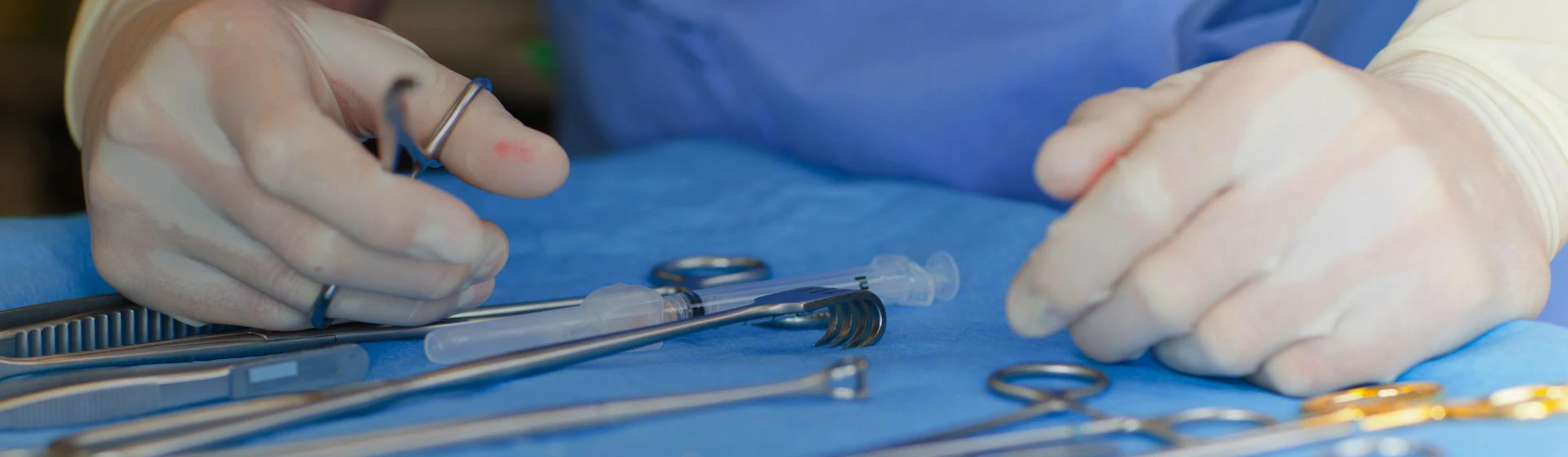
Treatment of basal-cell carcinoma
Treatment of basal-cell carcinoma
The basal-cell carcinomas are the tumors of the basal layer of the skin, looking like painless rosy stains on the skin, which enlarge over time. Finding the basal-cell carcinoma, you should not panic; it is the neoplasm, which may be easily removed in case of timely visit to the doctor.
There are two different types of basal-cell carcinomas: warty, superficial, nodular ulcerated, perforating, nodular etc. If the basal-cell carcinoma is not treated, it can increase over time, causing the formation of new ulcers or nodules on the skin, which will fuse into one formation over time. The enlarged basal-cell carcinoma can grow into adjacent tissues, disturbing the functioning of cartilages and vessels, thus causing the strong pain. In case of absence of the correct treatment, the basal-cell carcinoma can transform into the skin cancer.

Symptoms of basal-cell carcinoma
The basal-cell carcinoma most often appears on the face or neck. The symptoms of the disease vary depending on the type of neoplasms; the appearance of wounds and redness is most often indicative of it.
They may have:
- a type of rosy stains, which do not disappear for more than three weeks and gradually increase in size;
- a round or oval form, sometimes convex form;
- dark crust in the middle.
The peak of incidence of the basal cell skin cancer is 60-70 years; however, the youth is not insured against it either. The basal cell skin cancer very rarely appears among the children and teenagers; however, the congenital form of the basal-cell carcinoma - Gorlin-Goltz syndrome – may be encountered.
The people with light skin more often encounter the disease than with black or dark skin. The risk increases, when the people with “northern” type of the skin (light, unfit for a strong impact of sunrays), are susceptible to the sharp impact of natural and artificial ultraviolet radiation, for example, when sunbathing in the solarium.
The risk of appearance of the basal cell carcinoma increases due to frequent skin irritations: constant traumas of a certain body area, the lengthy contact with toxic substances, impact of radiation etc.
Removal of basal cell carcinoma
In order to get rid of the basal cell carcinomas, the doctor most often orders their surgical removal. There are also other methods of removal of basal cell carcinomas: cryodestruction, laser removal and local chemotherapy. But the surgical removal has one important advantage – the possibility of sending the removed skin for histological test, which will allow precisely finding out whether the neoplasm was malignant.
In case of suspected basal cell carcinoma, before removing it, the dermatologist first examines it and performs dermatoscopy. If the diagnosis is confirmed, the surgeon orders the removal of the basal cell carcinoma. The excision is performed so that to remove all sore tissues. After the removal, the surgeon puts a cosmetic suture, which conceals the traces of intervention after healing.
For preventing the basal cell carcinoma, it is recommended refusing from solariums, avoiding sunrays in the peak time (from 11:00 am to 04:00 pm) or using the creams, protecting from ultraviolet rays.
You can make appointment with the surgeon for Oxford Medical Kyiv clinic by calling us or filling out the form on our website.

Our doctors
 4.79
4.79  3+
3+ 
 4.92 4+
  4+ Years of experience
  Kyiv, Predslavynska St. 29 Kyiv, Knyaziv Ostrozkyh St., 46/2
 5 3+
5 3+  4.75 5+ 5+ Years of experience Kyiv, st. Bereznyakivska, 30b



 in the clinic
  online

 Hello!
Let's take care
about your health:

