

 Adults Adults Adults Adults Adults Adults Adults Adults Adults
  Children Children Children Children


 Hotline:
 Adults Adults Adults Adults Adults Adults Adults Adults Adults Children Children Children Children


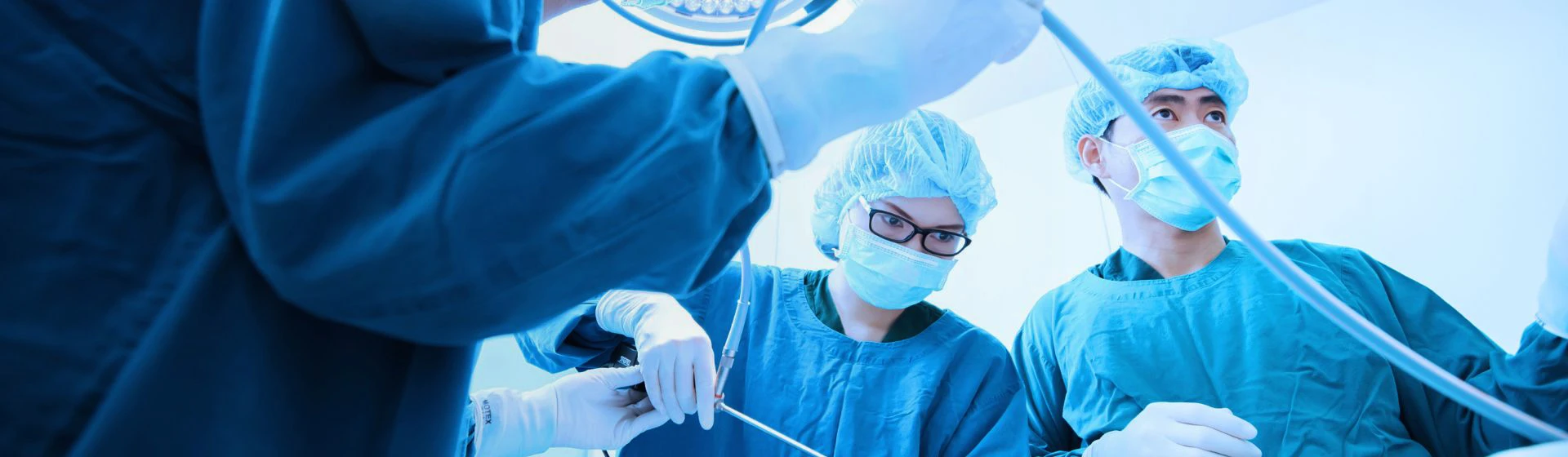
Mechanical contact lithotripsy
Mechanical contact lithotripsy in Kyiv
A loyalty program is available for surgical interventions in the hospital, which makes treatment even more affordable.
Mechanical contact lithotripsy is an endoscopic procedure aimed at crushing stones into small fragments with their subsequent aspiration (removal). It belongs to minimally invasive methods, as it is performed without incisions and damage to external and internal tissues. Access to stones is provided using a ureteroscope, which is inserted through the urethra.
Contact lithotripsy is the "gold standard" in the treatment of urolithiasis. It allows crushing stones of any size and density located in the kidneys, ureter and bladder.
Oxford Medical has expert-class equipment installed, which ensures the procedure is carried out with maximum efficiency and safety. It is performed by highly qualified urological surgeons with over 20 years of experience.
When is contact mechanical lithotripsy prescribed?
Today, there are several different types of lithotripsy: remote shock wave, contact and percutaneous (percutaneous). Each of the methods has its own characteristics, so the doctor determines which one will be optimal for the patient individually.
The most common option is contact lithotripsy. Unlike remote, it allows you to remove stones in one procedure and excludes the impact on healthy tissues. At the same time, compared to percutaneous, contact lithotripsy is performed without incisions and is accompanied by an easier and shorter rehabilitation period.
Depending on the type of energy, contact lithotripsy is also conditionally divided into three types:
-
mechanical, or pneumatic – the destruction of the stone is carried out by applying a pulse of compressed air, after which the fragments are removed using special endoscopic loops or forceps;
-
ultrasonic– involves the use of ultrasonic waves to crush low-density stones;
-
laser – is based on the effect of shock waves emitted by a laser.
Mechanical contact lithotripsy is performed when the size of the stones is from 0.5 to 2-3 cm in diameter. It allows you to effectively crush stones in different parts of the urinary system and immediately aspirate (remove) small fragments.
Preparation for mechanical contact lithotripsy
The choice of method for removing stones from the kidneys and other parts of the urinary system depends on their location, number, size, shape, and density. Therefore, the patient must undergo a comprehensive examination.
It may include:
-
Ultrasound of the urinary system;
-
X-ray;
-
Computed tomography;
-
Urine and blood tests.
The doctor determines the list of necessary examinations individually.
Also, an ECG and preoperative tests are performed before lithotripsy, and women are recommended to undergo a gynecological examination.
Two weeks before the operation to remove kidney stones, you should stop taking blood-thinning drugs. For 2-3 days, it may be necessary to follow a light diet, as well as cleanse the intestines with an enema on the eve of lithotripsy.
The surgeon will tell the patient more about the features of preparation during the preliminary consultation.

How is mechanical contact lithotripsy performed?
Mechanical contact lithotripsy is performed endoscopically. Access to the stones is provided through the urethra. The surgeon inserts a ureteroscope equipped with a miniature video camera with a built-in LED. The image from it is transmitted to the monitor screen and is magnified many times, which allows the surgeon to determine the exact location, size and shape of the stones. After that, he inserts a special probe through the endoscope, with the help of which the stones are crushed. Then the surgeon grabs the formed fragments with a small loop or forceps and pulls them out.
The procedure is performed under local (epidural, spinal) or general anesthesia (anesthesia). The choice of anesthesia method depends on the patient's health.
Rehabilitation after stone crushing
After mechanical contact lithotripsy, the patient remains in the hospital under the supervision of a doctor and medical staff for 1-3 days. The duration of hospitalization depends on the complexity of the procedure and the patient's general well-being.
Within 1-2 weeks after crushing kidney stones, blood impurities in the urine may appear, as well as discomfort and mild burning during urination. If severe pain or other symptoms appear, you should consult a doctor.
Most patients can return to work and their usual lifestyle after a few days, but the period of full recovery lasts about 1 month. At this time, the patient is recommended to follow the diet and drinking regimen prescribed by the doctor, avoid lifting weights and heavy physical exertion.
Potential complications
Mechanical contact lithotripsy is a minimally invasive procedure and, if performed correctly, the risk of complications is minimal. The procedure does not require incisions, which eliminates blood loss and minimizes the likelihood of infection, however, for the purpose of prevention, the patient is prescribed a single dose of an antibacterial drug.
Potential complications include narrowing of the ureter, exacerbation of a chronic infectious disease of the genitourinary system, and recurrence of renal colic. During the procedure, there is a risk of damage to the tissues of the urethra, ureter, or kidney. At Oxford Medical, lithotripsy is performed by urological surgeons with over 20 years of experience. Thanks to this and the use of a new ureteropyeloscope, you can be sure that the procedure will be performed with maximum accuracy and efficiency.
Kidney stone crushing: price at the Oxford Medical clinic
«Oxford Medical» has installed new expert-class equipment and assembled a team of highly qualified urologists, endoscopists and surgeons. The clinic has created all the conditions for thorough diagnostics and detection of stones and other neoplasms from 1 mm in size, as well as providing high-quality medical care and performing urological operations of any complexity.
Mechanical contact lithotripsy is performed using a new generation ureteropyeloscope, equipped with a miniature video camera with a built-in LED. This provides detailed visualization, which allows the urologist to perform stone crushing and aspiration with maximum accuracy and care.
The cost of endoscopic surgery to remove stones from the kidneys or other parts of the urinary system may vary. It depends on the location of the stones, their number, size and density. You can find out the prices of contact lithotripsy at «Oxford Medical» here. The urologist will advise you more precisely on the cost of treatment during a preliminary consultation. Make an appointment at a time convenient for you.


Advantages of urolithiasis treatment at the Oxford Medical clinic

Using expert-grade equipment
Procedure performed by specialists with over 20 years of experience
Performing lithotripsy using the endoscopic method without incisions
Hospitalization for 1-3 days
Comfortable conditions in the hospital
Short and easy rehabilitation period

Our doctors
 0
0  40+
40+ 
 40+ Years of experience
  Kyiv, 9 Ivana Kramskoho Street



 in the clinic
  online

 Hello!
Let's take care
about your health:

