


genetic predisposition

Nephrectomy – is an operation to remove a kidney. It is performed mainly by a minimally invasive laparoscopic method. It provides minimal damage to healthy tissues and, as a result, an easier and shorter rehabilitation period.

 Adults Adults Adults Adults Adults Adults Adults Adults Adults
  Children Children Children Children


 Hotline:
 Adults Adults Adults Adults Adults Adults Adults Adults Adults Children Children Children Children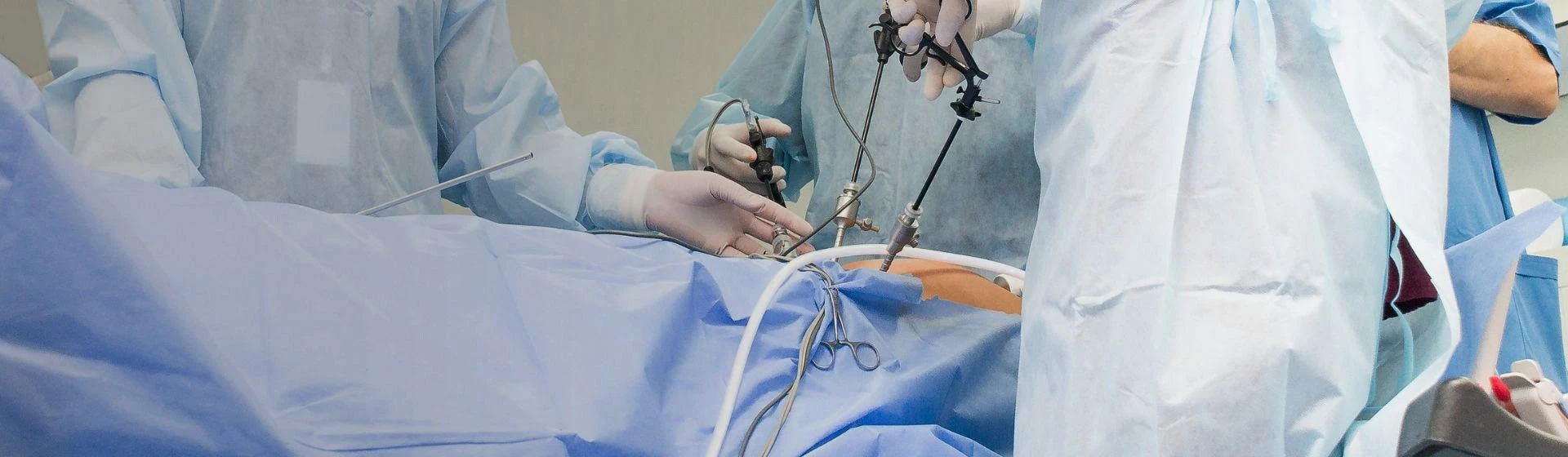
A loyalty program is available for surgical interventions in the hospital, which makes treatment even more affordable.
Nephrectomy - this is an operation to remove a kidney. It is prescribed when conservative treatment and nephrectomy (partial removal of the organ) are ineffective.
At "Oxford Medical" nephrectomy is performed laparoscopically. This is a modern minimally invasive technology that eliminates the need for a longitudinal incision. The operation is performed using endoscopic instruments and a laparoscope - a device equipped with a video camera. They are inserted into the retroperitoneal space through several punctures, up to 1 cm in diameter.
The advantages of laparoscopy are:
minimal damage to healthy tissues;
easier and shorter rehabilitation period compared to open surgery;
reduction of the risks of major blood loss and postoperative complications;
reduction of hospitalization periods;
formation of cosmetic scars up to 2 cm long.
In “Oxford Medical” Laparoscopic nephrectomy is performed by top-class surgeons with over 20 years of experience using new, expert-class equipment. This allows each patient to receive the highest quality of medical care.

Removal of the kidney is prescribed only in cases where other treatment methods are ineffective.
Indications for surgery may include:
kidney cancer;
large benign neoplasm;
polycystic kidney disease;
shrinkage and impaired kidney function;
kidney rupture due to trauma;
purulent kidney lesion;
abnormalities in kidney development.
In modern clinics, nephrectomy is performed mainly by laparoscopic method. It allows performing the necessary manipulations with maximum accuracy and minimizing damage to healthy tissues. Due to this, healing occurs faster and is accompanied by less pain. In addition, the risk of infectious complications is significantly reduced.
In rare cases, when an extensive examination is required, a classic open surgery may be performed. Surgeons decide which method will be optimal based on the results of the patient's examination and assessment of his individual characteristics.
In both cases, the operation is performed under general anesthesia. It can last about 2-3 hours.

Immediately after the operation, the patient is transferred to the intensive care unit (resuscitation). There, he comes out of anesthesia, after which he remains under machine monitoring of breathing, heart rate, blood pressure and other vital body functions for another 2-3 hours.
After that, if the patient's condition is stable, he is transferred to the surgical hospital ward. During the first day, bed rest is usually recommended. You can sit up in bed and get up only after the doctor's permission.
The average hospitalization period is from 3 to 7 days. At this time, the patient is prescribed painkillers, antibacterial, anti-inflammatory and other drugs according to indications.
After discharge, the patient continues treatment at home for an average of about 2-4 weeks. The hospital discharge is for a month and a half. At this time, you must strictly follow the doctor's instructions, follow a diet, and avoid heavy physical exertion, especially lifting weights.
Since the kidney is a paired organ and can adapt to the increased load, full recovery and a return to a full lifestyle are possible later.
Diet is an integral part of rehabilitation. To prevent complications, it is important to fully follow the doctor's recommendations.
As a rule, if the patient's condition is stable, the first meal is allowed the day after surgery. You can drink a small amount of broth, eat a little yogurt or cheese. After self-defecation, vegetable soups, porridge, boiled meat, fish and natural juices are also introduced into the diet.
After a few weeks, the doctor may allow you to switch to a less strict diet. The main rule is to exclude the use of salty, smoked and spicy dishes, as well as alcohol. Food restrictions are maintained until the body's adaptation to life with one kidney is completed.
Every operation is accompanied by the risk of certain complications.
After nephrectomy, the following may occur:
infection;
postoperative pneumonia;
adhesions;
hernia;
damage to tissues adjacent to the removed kidney;
vascular thrombosis;
renal failure.
The incidence of complications after laparoscopic surgery is significantly lower than after open surgery. In addition, to minimize risks, patients undergo a thorough preoperative examination, only individual consumables are used during the operation, and then drug therapy is prescribed.
The most common indication for nephrectomy is malignant neoplasms.
The exact causes of their occurrence are still being studied.
The main risk factors are considered to be:


genetic predisposition
chronic diseases of the genitourinary system
long-term hemodialysis
hypertension
smoking
adiposity
age over 50-60 years
male gender
removal of the uterus

To reduce the risk of kidney cancer, experts advise avoiding radiation exposure, eating a balanced diet, leading an active lifestyle, maintaining a normal weight, quitting smoking, drinking alcohol, and other bad habits, and undergoing annual preventive medical examinations.
“Oxford Medical” operates a high-tech surgery department. It is equipped with expert-class equipment for accurate diagnostics and surgical operations of any complexity (endoscopic racks, ultrasonic scalpel, argon laser, etc.). The clinic's surgeons have the highest medical category and more than 20 and 30 years of experience.
For postoperative monitoring and assistance to patients with acute conditions, intensive care units are equipped. They are equipped with equipment for continuous monitoring of respiratory rate, heartbeat and other vital body functions, and if necessary - their support.
After the operation, patients are transferred to comfortable single or double hotel-type wards. There they remain under the 24-hour supervision of medical staff.
The price of nephrectomy may vary depending on the complexity of the operation and the method of surgical intervention. Only a surgeon can answer this question accurately after examining the patient. You can find out the cost of laparoscopic and laparotomic (open surgery) kidney removal at «Oxford Medical» here.


Nephrectomy – is an operation to remove a kidney. It is performed mainly by a minimally invasive laparoscopic method. It provides minimal damage to healthy tissues and, as a result, an easier and shorter rehabilitation period.
Laparoscopic nephrectomy – is a minimally invasive surgery to remove one kidney. It is performed without an incision, as in open surgery. A laparoscope equipped with a video camera and endoscopic instruments are inserted into the retroperitoneal space through several punctures. As a result, damage to healthy tissues is minimized and the risk of complications is reduced, and rehabilitation is easier and faster.
The cost of nephrectomy may vary depending on the method of operation and its complexity. Only a doctor can provide a detailed guide to the patient regarding the cost of treatment, after assessing the results of examinations and medical history. You can find out the prices of different types of nephrectomy at “Oxford Medical”here.
To make an appointment for a consultation with a surgeon regarding nephrectomy, call our contact center or leave a request on the website.


Loyalty program for regular patients
Comfortable single and double hospital wards
Application of laparoscopic techniques
Surgeons must have the highest medical category and more than 20 years of experience
Equipping intensive care units with equipment to monitor and support vital body functions
The possibility of comprehensive treatment of kidney cancer using chemotherapy, immunotherapy and targeted therapy


 4.88
4.88  27+
27+  27+ Years of experience
  Kyiv, st. Bereznyakivska, 30b




 in the clinic
  online
  Hello!


