


tendency to form a large number of moles
This is the removal of a tumor using liquid nitrogen, cooled to -193°C.

 Adults Adults Adults Adults Adults Adults Adults Adults Adults
  Children Children Children Children


 Hotline:
 Adults Adults Adults Adults Adults Adults Adults Adults Adults Children Children Children Children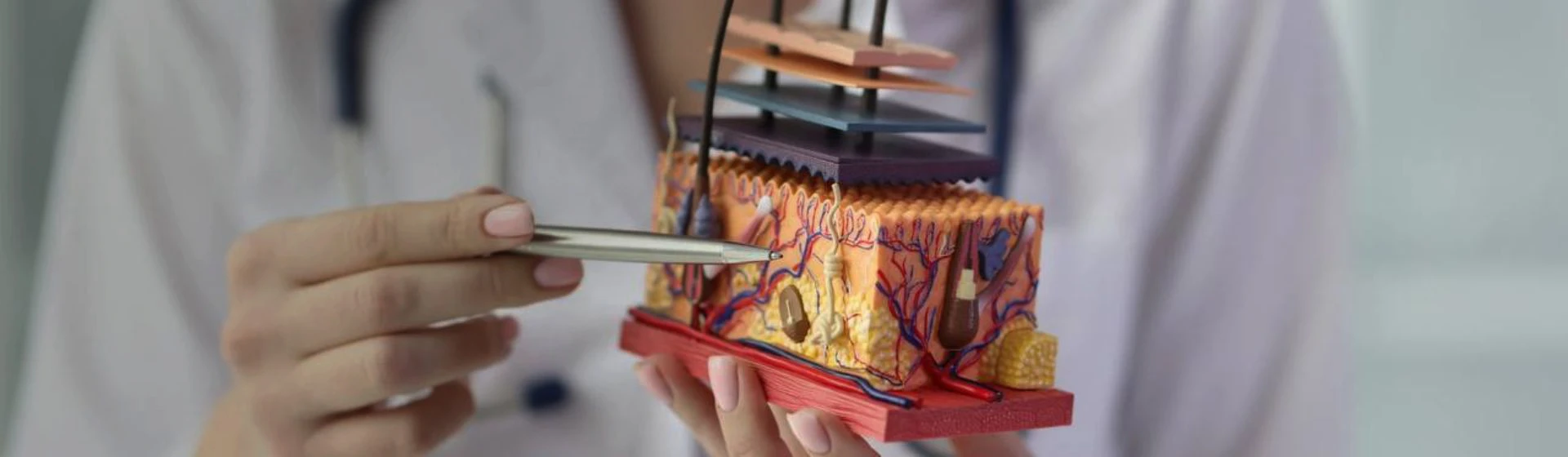
A loyalty program is available for surgical interventions in the hospital, which makes treatment even more affordable.
A dermatology oncologist is a doctor who diagnoses and treats skin cancer. He is consulted when a large number of moles appear, their size and shape change, skin inflammation around the edges, severe itching, etc.
A dermatologist-oncologist with many years of experience is admitted to “Oxford Medical”. The clinic has installed new equipment for diagnosing and removing moles or other skin neoplasms. All conditions have also been created for the effective treatment of malignant diseases.
The key to recovery is early consultation with a doctor.
The danger of cancer is that in the early stages they develop in a hidden form. The lack of specific symptoms is the main reason for late diagnosis. Although skin neoplasms, on the contrary, are noticeable, many people are in no hurry to make an appointment with an oncodermatologist. At first glance, moles and small growths seem harmless, but they can grow deep into the tissues and cause metastasis.
A consultation with an oncodermatologist is necessary if the following symptoms occur:
the appearance of new moles, age spots and other neoplasms on the skin;
the development of small foci around a large neoplasm;
a change in the structure of the neoplasm (it becomes harder or softer to the touch);
asymmetrical shape of the mole, the presence of uneven edges, uneven color;
the diameter of the mole or other neoplasm is more than 6 mm;
inflammation of the skin on both sides sides;
peeling and crusting of the mole;
itching, burning, tingling of the skin;
the appearance of cracks, bleeding and ulcers that do not heal for a long time;
weakness, sudden weight loss and other systemic symptoms of cancer.
Most often, skin cancer lesions begin to develop on the face, hands, feet, lower legs, armpits and upper back.
You should also consult a dermatologist-oncologist if you have risk factors: a large number of moles on the body, large age spots, infection with the human papillomavirus (HPV), the development of skin cancer in close relatives.
To determine the type of neoplasm, the oncodermatologist first performs dermatoscopy - this is superficial epiluminescence microscopy of the skin. The examination is non-invasive, painless and highly informative.
Dermoscopy involves examining the skin through an optical device that provides an image magnification of up to 140 times. Thanks to this, the doctor can examine both the superficial and deep layers of the dermis. Based on the characteristic signs, he determines whether there is a possibility of skin cancer or a benign neoplasm. If it is necessary to check deeper layers of the skin, an ultrasound may be prescribed.
If oncology is suspected, a biopsy (tissue sampling) is performed, followed by histological analysis of the biopsy. This is the most reliable diagnostic method that allows you to determine the type of cells.
If the malignant nature of the neoplasm is confirmed, the patient is prescribed a comprehensive examination to determine the type and stage of cancer. This may include blood tests, CT scans, and other diagnostic procedures as indicated.
When skin cancer is detected at an early stage, when there is no damage to the lymph nodes and distant metastases, more than 80-90% of patients recover completely. In most cases, only surgical treatment is sufficient.
If the disease is detected later, the patient is given a comprehensive treatment program. It may include removal of the tumor, chemotherapy, radiation therapy, and other methods.
At the Oxford Medical Center, mole removal is performed using modern technologies. The procedure is performed only by experienced specialists using high-quality equipment from the best foreign manufacturers of medical equipment.
The degree of surgical intervention depends on the size of the neoplasm and the presence or absence of malignant cells.
Removal of small benign moles is performed on an outpatient basis. The procedure lasts from 10 minutes. After it, the wound is covered with an antibacterial plaster. Healing takes place over several weeks, after which the skin gradually recovers.
In malignant neoplasms, as a rule, deeper tissue removal is required. If necessary, after the wound heals, reconstructive or plastic surgery is sometimes performed to eliminate the aesthetic defect.
Depending on the size of the mole, the depth of germination into the soft tissues and other individual characteristics of the patient, removal is carried out using:
This is the removal of a tumor using liquid nitrogen, cooled to -193°C.
Provides for the removal of tissue with a laser
Tissue removal is performed with a curette followed by treatment of the wound edges with electric current.
This is the classic removal of tissue with a scalpel (used for large tumors)
The oncodermatologist determines whether a mole needs to be removed based on the results of the examination and examinations.
Removal is recommended in the following cases:
high risk of transformation into a malignant tumor;
detection of atypical cells (according to the results of histological analysis)
The growth should also be removed if it:
is often injured by clothing;
is located on an open area of the skin and is often exposed to ultraviolet radiation;
causes aesthetic discomfort.
Before removal, it is necessary to consult a dermatologist and make dermatoscopy.
Some moles can develop into cancer. To prevent this, if you have the symptoms listed above, you should consult an oncodermatologist. The doctor will examine and assess the condition of the skin, after which he will give further recommendations.
If the neoplasm is benign, regular monitoring may be prescribed to assess the dynamics of changes, or removal.
The risk of malignant transformation of moles is increased by:
frequent trauma;
exposure to the sun and visiting a solarium;
history of cancer, particularly in close relatives;
genetic predisposition.
People with numerous moles, warts and age spots, as well as in the case of changes in skin neoplasms, should be especially careful.
Every person has moles on their body, but their number and size vary from person to person.
It is believed that the main causes of moles are:
genetic predisposition;
frequent exposure to the sun or visiting a tanning bed;
hormonal imbalance;
age-related changes;
injuries and friction of the skin in one place.
In most cases, moles do not cause any problems or only cause
aesthetic discomfort, but sometimes they lead to the development of cancer.
The reason for this is the mutation of skin cells, the likelihood of which increases in the presence of
the following risk factors:


tendency to form a large number of moles
prolonged exposure to ultraviolet radiation
frequent skin trauma in one area
undergoing radiation therapy
genetic predisposition
light skin type
decreased immunity
contact with toxic substances
regular visits to the solarium


Risk factors for malignant skin diseases include hereditary predisposition, prolonged exposure to the sun, frequent skin damage, severe burns and ulcers that do not heal for a long time.
For prevention, the following are recommended:

Avoid direct exposure to the sun during the peak hours of 10:00 a.m. to 4:00 p.m.
Avoid tanning in a solarium.

To protect the epidermis, use a cream with an SPF filter of more than 50 units and apply it every 2 hours or 1 hour in case of swimming in a body of water or heavy sweating.
Monitor the number and condition of moles, and if any alarming symptoms appear, immediately make an appointment with a dermatologist
 All tips
"Oxford Medical" – is a multidisciplinary medical center. The oncology department is equipped with new equipment for dermatoscopy, skin ultrasound, CT and other examinations. It provides maximum accuracy of results and allows you to diagnose the disease even in the early stages.
Removal of moles is carried out using innovative techniques that allow you to excise neoplasms with minimal trauma to healthy tissues. Thanks to this, the rehabilitation period is much faster.
Skin cancer treatment is carried out by experienced oncologists and surgeons with many years of experience, who have all modern methods of treating cancer, including targeted and immunotherapy.
The clinic has created all the conditions for providing quality medical care to each patient.
The cost of skin cancer treatment is determined individually. It depends on the patient's exact diagnosis and the therapy he needs. An oncodermatologist can provide more accurate guidance on this issue after the diagnosis.
You can find out the prices here.
To make an appointment for a consultation, call our contact center or write to the chat on the website.

A dermatologist is a doctor who specializes in the diagnosis and treatment of skin cancer. You should consult a dermatologist if you have multiple moles on your body, if they increase in size, change in shape, or if you have other worrisome symptoms.
The primary task of an oncodermatologist is to determine the nature of moles and other skin neoplasms. He performs dermatoscopy and, if necessary, prescribes a biopsy with histological analysis and other examinations. Based on their results, he determines whether the neoplasm is benign or malignant. In the case of a cancer diagnosis, the oncodermatologist draws up a treatment plan.
At Oxford Medical, patients are seen by an oncodermatologist with many years of experience. The clinics are located in the central districts of Kyiv, as well as on the left and right banks. You can make an appointment for a consultation by choosing the most convenient place and time for the appointment.


Oncologists and oncological surgeons with many years of experience
Expert-grade diagnostic and surgical equipment
Chemotherapy, targeted therapy, and immunotherapy
Loyalty program for regular patients




 in the clinic
  online
  Hello!


