Sign up via call center
Department
Removal of bowel cancer at the private clinic Oxford Medical Kyiv

Resection of the intestine

Intestinal resection in Kiev

A loyalty program is available for surgical interventions in the hospital, which makes treatment even more affordable.

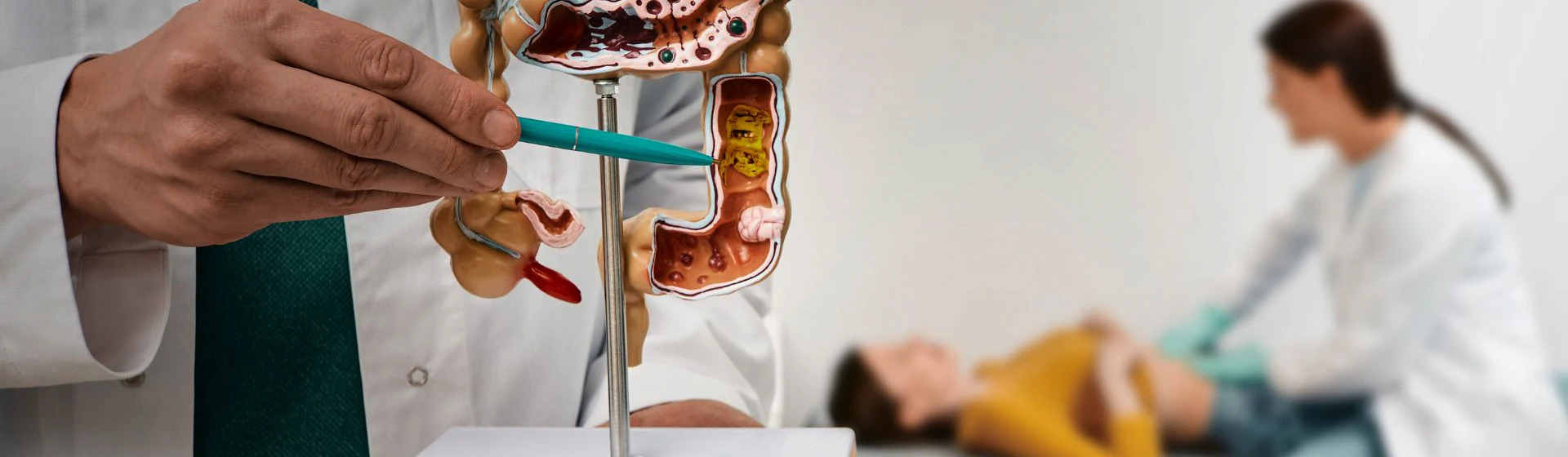
Intestinal resection - this is an operation to remove a section of an organ affected by a tumor or other disease. The extent of the intervention, as well as the method of performing the operation, depends on the complexity and prevalence of the pathological process.

After the resection, two lumens of the intestine remain. To restore the continuity of the gastrointestinal tract, they are sewn together (an anastomosis is formed). If this is not possible, a part of the small or large intestine is attached to the abdominal wall, in which an opening is made for the removal of feces into a colostomy (an ileostomy or colostomy is created). This solution can be temporary - until the lower parts of the intestine are restored, or permanent.

At “Oxford Medical” The operation is performed both by minimally invasive laparoscopic method and laparotomic, i.e. using classical open access. Our surgeons have the highest medical category and more than 20 years of experience. They perform:

  • resection of the small intestine;

  • resection of the large intestine;

  • resection of the rectum.

Intestinal resection in Kyiv

When is intestinal resection prescribed?

The most common indication for resection is cancer of various parts of the intestine. According to statistics, it ranks 3rd in terms of the prevalence of oncological pathologies in men and women over the age of 45. In such cases, the goal of the operation is to remove the malignant tumor and affected tissues.

Indications for surgical intervention may also include acute intestinal obstruction, perforation of the organ wall, dolichosigma, multiple intestinal polyps, complicated forms of some inflammatory and infectious diseases.

How is intestinal resection performed?

The choice of surgical intervention method depends on stage of intestinal cancer, the location of the tumor and its size, the presence of metastases in nearby lymph nodes and spread to adjacent tissues, as well as other individual characteristics of the patient.

After performing the resection, the surgeon assesses the condition of the preserved sections of the intestine and forms an anastomosis. Parts of the organ are sewn together "end to end", restoring the natural structure of the intestine, "side to side" or "end to side". If it is impossible to form an anastomosis through the abdominal wall, a stoma is created for the removal of fecal masses (Hartmann's operation). After that, the surgeon installs drainage, sutures the wound, and applies a sterile dressing.

When the operation is over, the patient is brought out of anesthesia and transferred to the postoperative ward.

Surgical methods

Intestinal resection is performed:

Laparoscopically

This is a minimally invasive operation performed using high-precision surgical equipment. To provide access to the organ being operated on, 3 punctures are made on the abdominal wall, up to 1 cm in diameter. A laparoscope - a device equipped with a video camera - and endoscopic instruments are inserted through them.
The image from the camera is transmitted to the monitor screen with multiple magnification.

Using it, the surgeon performs the necessary manipulations with maximum precision. Due to this, as well as the absence of a large incision, damage to healthy tissues is reduced and the rehabilitation process is easier and faster.

Laparotomy

This is a traditional open surgery. An incision is made in the abdominal wall, about 20-25 cm long. Through it, the surgeon can better examine the intestinal walls and more accurately determine the boundaries of the tumor and the required volume of resection.

Open surgery may be necessary for large tumors, damage to adjacent organs, internal bleeding and in some other cases. Sometimes this method is used during laparoscopic surgery.

Rehabilitation after intestinal resection

The specifics of rehabilitation largely depend on the extent of the resection, the method of surgical intervention, and the patient's general health.

The patient spends the first few hours after the operation in the intensive care unit, after which he is transferred to the hospital. "Oxford Medical" is equipped with comfortable single and double hotel-type wards.

During the first day, bed rest is usually prescribed, and from the next day it is recommended to sit up in bed and get up. Moderate physical activity helps prevent the formation of adhesions and the development of postoperative pneumonia.

The duration of hospitalization is determined individually. After laparoscopic surgery, the patient can be discharged after 3-4 days, while after open surgery after 7 or more. It all depends on his well-being and successful wound healing.

Nutrition after intestinal surgery

After removing part of the intestine, it is very important to follow the doctor's recommendations on nutrition to ensure normal healing, minimize the risk of complications and support the body in the recovery process. The general rules are as follows: On the first day, the patient is allowed to drink only still water. Nutrition is provided parenterally - the body is provided with nutrients through a dropper. On the 2nd day, they are allowed to eat liquid dishes, such as jelly or rice broth. They should be warm, but not hot or cold. From the 4th day, foods that have a soft consistency and are easily digestible are introduced. It is recommended to eat 5-6 times a day in small portions. After 2 weeks, the menu is gradually expanded. With successful healing of the intestine, they are later allowed to return to a full diet. Diet is extremely important, since during the digestion of food, enzymes and bile are produced, which in the early postoperative period can provoke irritation of the intestinal walls and the development of complications. In the case of the formation of an ileostomy or colostomy, nutritional recommendations may differ.

After removing part of the intestine, it is very important to follow the doctor's nutritional recommendations to ensure normal healing, minimize the risk of complications and support the body in the recovery process.

The general rules are as follows:

  1. On the first day, the patient is allowed to drink only still water. Nutrition is provided parenterally - the body is supplied with nutrients through a dropper.

  2. On the 2nd day, liquid dishes are allowed, such as jelly or rice broth. They should be warm, but not hot or cold.

  3. From the 4th day, foods that have a soft consistency and are easily digestible are introduced. It is recommended to eat 5-6 times a day in small portions.

  4. After 2 weeks, the menu is gradually expanded. If the intestine heals successfully, a return to a full diet is allowed.

Following the diet is extremely important, since enzymes and bile are produced during food digestion, which in the early postoperative period can provoke irritation of the intestinal walls and the development of complications.

In the case of the formation of an ileostomy or colostomy, nutritional recommendations may differ.

Nutritional recommendations after surgery

After completing all stages of nutritional rehabilitation, the following nutritional principles should be followed:

Exclude fried, smoked, spicy, salty foods, spices, fresh milk, coffee, alcohol and other foods that contribute to gas formation, constipation or diarrhea

Eat at least 5 times a day at equal intervals, do not overeat at night

Drink about 1.5 liters of fluid (individual advice may vary)

Cook food by steaming, boiling, stewing or baking, and chop solid foods.

Eat warm food, as cold and hot foods can irritate the intestines

Follow a balanced diet and try to keep proteins at 15%, fats at 30%, and complex carbohydrates at 55%.

Potential complications after resection and their risks

To reduce the risk of complications, it is important to properly prepare for the operation and follow all medical prescriptions in the postoperative period.

After intestinal resection, there is a risk of developing the following complications:

  • discrepancy of the anastomosis sutures;

  • intestinal bleeding;

  • narrowing of the anastomosis;

  • accumulation of fluid in the abdominal cavity;

  • development of bacterial infection;

  • impaired defecation;

  • urinary disorders, etc.

Oxford specialists Medical” before the operation, the patient is prescribed a comprehensive examination, which allows for the most accurate assessment of his condition and to do everything necessary to reduce the risk of complications. This is also facilitated by the use of high-precision surgical equipment, high-quality drugs from foreign manufacturers, individual consumables and careful adherence to treatment protocols and postoperative rehabilitation.

Causes of intestinal problems and disease
prevention

To prevent the disease, it is recommended to adhere to the principles of healthy eating, exercise regularly, maintain a normal weight, give up bad habits, and after 40 years of age, regularly visit a proctologist and undergo examinations. It should be remembered that symptoms of intestinal cancer are almost absent in the early stages.

Intestinal cancer, which is the main indication for organ resection, occupies a leading position among oncological pathologies in women and men over 40 years of age.

It is believed that the likelihood of developing a malignant tumor is increased by:


genetic predisposition

the presence of polyps or adenomas of the intestine

ulcerative colitis, Crohn's disease

diabetes mellitus

adiposity

smoking, alcohol abuse

unbalanced diet

List of diseases

Intestinal resection: price at the Oxford Medical clinic

«Oxford Medical» has a modern high-tech surgery department. It is equipped with equipment from the best manufacturers of medical equipment, which is regularly updated. This allows us to ensure maximum diagnostic accuracy and successfully perform complex operations.

The cost of intestinal resection depends on several factors:

  1. The method of surgical intervention - open or laparoscopic surgery.

  2. The volume of resection.

  3. The complexity of the operation.

Learn about the cost of operations at “Oxford Medical” you can here.

Only a doctor can answer questions about the cost of surgical treatment in more detail after receiving the results of the patient's examination.

To make an appointment with an oncologist, call our contact center or leave a request on the website.

Surgical ward
Our services
Consultations
Consultation with an oncologist
1100.00 ₴
Add Added
Consultation with a leading oncologist
1989.00 ₴
Add Added
Consultation with a leading surgeon-oncologist
1989.00 ₴
Add Added
Online consultation with an oncologist
1100.00 ₴
Add Added
Oncological surgery services
Sigmoid colon resection
64889.00 ₴
Sign up by the call center
Removal of a recurrent tumor with bowel resection
79889.00 ₴
Sign up by the call center
Removal of intestinal tumor (performed by a doctor of medical sciences)
79889.00 ₴
Sign up by the call center
Endoscopic removal of a benign colon tumor
29889.00 ₴
Sign up by the call center
Excisional biopsy of deep lesions
2889.00 ₴
Sign up by the call center

Answers to popular questions about bowel resection

What is intestinal resection?

Intestinal resection is an operation during which part of the organ is removed. It is performed by a minimally invasive laparoscopic method, using a laparoscope and endoscopic instruments that are inserted into the abdominal cavity through 3 small punctures, or laparotomically, using open access through an incision in the abdominal wall. After this, an anastomosis is formed - healthy parts of the organ are connected to each other. If this is not possible, a stoma is created through the abdominal wall to drain feces.

Intestinal resection: how long does it take for the organ to heal and how long does recovery take?

The rehabilitation period after intestinal resection is usually 6-8 weeks. During this time, you should follow all medical prescriptions, diet, and exercise regimen.

Intestinal resection: how long does the operation last?

Intestinal surgery lasts an average of 1.5 to 3 hours. In complex cases, it may take longer. Some time is also taken to prepare the patient and administer general anesthesia, and after the operation, to recover from anesthesia.

( Rating: 4.71 , Votes: 48 )

Advantages of treatment at the Oxford Medical clinic

The operation is performed mainly by minimally invasive laparoscopic method.

In difficult cases, the possibility of performing open surgery

Operations performed by surgeons of the highest medical category with more than 20 and 30 years of experience

Availability of intensive care units equipped with everything necessary to monitor and maintain vital body functions

Comfortable single and double postoperative wards with 24-hour medical supervision

The possibility of comprehensive cancer treatment using chemotherapy, immunotherapy and targeted therapy

Our doctors

Valetsky Valery Leontyevich
4.58
rating (24)
42+
Years of experience
Surgeon-oncologist of the highest category, Candidate of Medical Sciences
42+ Years of experience
Consultation 1989
Kyiv, st. Bereznyakivska, 30b
Make an appointment
All doctors
Reviews
Альона 29.01.2026
Щиро дякую хірургу Фроловій Єлені Юріївні за суперово виконану операцію. Втручання було невелике, але для мене дуже важливе — і все пройшло швидко, акуратно та без ускладнень. Лікар уважна, спокіна, усе пояснив перед процедурою, так як я боялась- вона мене підтримувала та відволікала)) Загоєння проходило добре, шви зняла безболісно, результатом повністю задоволена. Дуже приємно мати справу з таким відповідальним і людяним спеціалістом. Рекомендую від щирого серця.
Star Star Star Star Star
Яніна 18.01.2026
Хочу висловити подяку Мудрієвському Богдану Любомировичу. Моєму батьку було зроблено ургентно (15.12.2025) операцію по видаленню жовчного міхура. Поки я їхала в лікарню лікар і медперсонал підготували тата до операції. Велика подяка Богдану Любомировичу за Професіоналізм, за чітке пояснення і відповіді на всі питання. Цей лікар не тільки Професіонал своєї справи з великої літери, це ще і чудова людина!!! Бажаємо Богдану Любомировичу міцного здоров'я і завжди залишатися такою ж чудовою та розуміючою людиною
Star Star Star Star Star
Current information
All Articles
Sign up
in the clinic
online
This site is protected by reCAPTCHA technology, and the Google Privacy Policy and Terms of Service apply.
Hello!
Let's take care
about your health:
Sign up via call center

We use cookies and other technologies to remember your preferences and find out exactly how you use and interact with the site.

By using our site, you also agree to the terms of the "User Agreement" and "Regulation on the processing and protection of personal data". By clicking "I AGREE", you consent to the processing of your data.