


ureteral strictures
Sign up via call center 
 Adults Adults Adults Adults Adults Adults Adults Adults Adults
  Children Children Children Children
Department
Adults Outpatient department
Adults Outpatient department
Inpatient department
Adults Inpatient department
Aesthetic medicine
Adults Aesthetic medicine
Dentistry
Adults Dentistry
Plastic surgery
Adults Plastic surgery
Diagnostics
Adults Diagnostics
Analyzes
Adults Analyzes
Outbound services
Adults Outbound services
Children Outpatient department
Children Outpatient department
Dentistry
Children Dentistry
Diagnostics
Children Diagnostics

Kyiv


 Hotline:
 Request a call:


Department
Adults Outpatient department
Adults Outpatient department
Inpatient department
Adults Inpatient department
Aesthetic medicine
Adults Aesthetic medicine
Dentistry
Adults Dentistry
Plastic surgery
Adults Plastic surgery
Diagnostics
Adults Diagnostics
Analyzes
Adults Analyzes
Outbound services
Adults Outbound services
Children Outpatient department
Children Outpatient department
Dentistry
Children Dentistry
Diagnostics
Children Diagnostics
Ureteral stenting and
stent removal
Ureteral stenting and stent removal in Kyiv
A loyalty program is available for surgical interventions in the hospital, which makes treatment even more affordable.
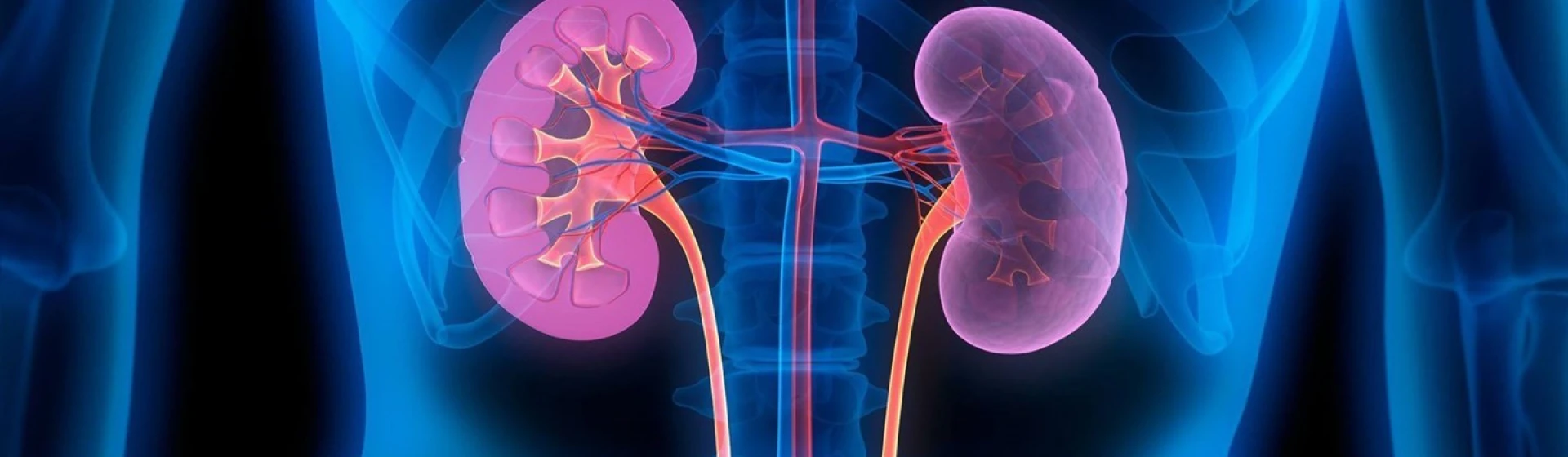
Ureteral stenting - this is a minimally invasive operation that involves the installation of a stent in the ureter to restore its patency and normal outflow of urine from the kidney to the bladder or nephrostomy (external urine collection system).
In most cases, stenting is performed endoscopically: the stent is inserted using a urethrocystoscope through the urethra. This operation does not require incisions, can be performed under local anesthesia and is accompanied by a light rehabilitation period.
At «Oxford Medical», the installation and removal of ureteral stents are performed by urological surgeons with over 20 years of experience. The clinic has the latest expert-class equipment. It provides high-quality visualization and allows you to perform all manipulations with maximum accuracy.

Why is ureteral stenting performed?
The ureters are a pair of organs in the urinary system. They are thin tubes that connect the kidneys to the bladder.
If the ureter becomes narrowed or blocked, the outflow of urine from the kidney is disrupted, causing fluid to accumulate in it and a condition called hydronephrosis to develop. Over time, this pathology threatens to impair kidney function and develop renal failure.
To restore normal urine outflow, a stent is inserted - a thin mesh tube made of metal, one end of which is fixed in the kidney and the other in the ureter.
Stenting can be either a temporary measure or recommended for life. In this case, the patient usually has the stent replaced every 3-6 months (sometimes stents with a service life of up to 3 years are used). This is necessary because salt deposits can accumulate in it, and in case of prolonged use, the risk of ureteral pressure sores and infectious complications increases.
Preparing for the procedure
Before stenting surgery, the patient undergoes a comprehensive examination. Based on its results, the urologist determines the optimal stent model, as well as the method of its installation in the ureter.
Diagnosis may include:
-
physical examination;
-
ultrasound of the genitourinary system;
-
excretory urography (X-ray);
-
computed tomography of the abdominal cavity and retroperitoneal space;
-
blood and urine tests;
-
fluorography (results valid for 1 year);
-
electrocardiography (ECG).
For For 2 weeks, the patient is recommended to stop taking medications that affect blood clotting. After 2-3 days, switch to a light diet, and on the day of the operation, come to the clinic on an empty stomach. Immediately before the procedure, the bladder should be emptied. An enema may also be performed to cleanse the intestines.
Indications for ureteral stenting
Stenting is performed in case of impaired urine outflow from the kidney,
when conservative treatment methods are ineffective.
Temporary stenting of the ureter is also performed after
endoscopic removal of stones.
The causes of narrowing of the lumen of the ureters can be:


pelvic adhesions
urolithiasis
Obstruction of the ureter by a blood clot
swelling of the ureteral wall
cicatrization
tortuosity of the ureter
renal artery stenosis
benign and malignant tumors

How is ureteral stenting performed?
At «Oxford Medical» ureteral stenting is performed in two ways:
-
retrograde (through the urethra using an endoscope);
-
antegrade (through the kidney, for which an incision is made in the skin).
In most cases, stent placement is performed by the retrograde transurethral method, that is, through the urethra. It does not require incisions and is the least traumatic.
To place the stent, the surgeon uses a urethrocystoscope equipped with a miniature video camera with a built-in LED and a string guide. The image from the camera is transmitted to the monitor screen and magnified many times, which allows the surgeon to conduct a thorough examination and perform all manipulations with maximum accuracy. To improve visualization, the bladder is filled with a sterile solution.
The stent is inserted into the ureter in a folded form, and after installation, it is inflated using an air balloon. In this way, it provides expansion of the lumen of the ureter, and also fits as tightly as possible to the walls.
Finally, the surgeon conducts a second examination to make sure that the stent is correctly positioned, after which he pumps out the fluid from the bladder and removes the instruments.
If endoscopic surgery is impossible (the cause may be bladder disease), stent installation is performed antegrade. In this case, the surgeon makes a small incision on the skin in the projection of the kidney and inserts the stent into the renal pelvis, after which it is guided towards the bladder to the ureter. The procedure is performed under constant X-ray control. Sometimes this operation is performed in 2 stages: first, a catheter is inserted into the renal pelvis to drain urine, and after 5-10 days, a stent is installed.
Local or general anesthesia is used for pain relief during stenting. The choice depends on the complexity of the operation and the patient's health.
How is a ureteral stent removed?
Most often, the stent is installed for a period of 2 weeks to 3 months. When the normal lumen of the ureter is restored, it is removed.
Indications for implant removal may also be:
-
displacement or damage to the stent;
-
salt deposition;
-
end of the stent's service life (possibly from 3 months to 3 years).
If the patient still needs long-term use of the stent, he is restented, usually once every 3-6 months. Stent replacement is necessary to prevent damage to the ureteral mucosa, the development of inflammatory and infectious complications, accumulation of urine salts and the appearance of stones.
Most often, stent removal is performed endoscopically. The surgeon inserts a ureterocystoscope through the urethra, with which he grasps the end of the stent and smoothly brings it out. A special gel is used to provide anesthesia and non-traumatic removal of the stent. The entire procedure is performed under ultrasound or X-ray control.
In some cases, other methods of stent removal are used, in particular using:
-
a thread, one end of which is attached to the stent, and the other is brought out through the urethra;
-
a special magnet;
-
a sterile loop that is inserted into the urethra (the method is used only in women).
Most specialists prefer the cystoscopic method of stent removal, since it allows the procedure to be performed with maximum accuracy, without the risk of complications. However, in some cases, other methods of removing the stent from the kidney may be preferable. It all depends on the individual characteristics of the patient.
Rehabilitation after ureteral stent placement or revision
After the operation, the patient is transferred to a surgical hospital, where he remains under the 24-hour supervision of specialists for 1-3 days. Oxford Medical has comfortable hotel-type rooms designed for one or two patients. They are equipped with a private bathroom and everything necessary for comfort and successful recovery.
A few days after the installation or replacement of the stent, the patient may experience:
-
discomfort, pain when urinating;
-
frequent urge to urinate;
-
blood in the urine;
-
aching pain in the lower abdomen and lower back.
To eliminate symptoms and prevent complications, painkillers, anti-inflammatory and antibacterial drugs are prescribed.
As a rule, discomfort disappears within 2-4 days. But after prolonged sitting, active sports and heavy loads, blood impurities in the urine and pain in the lower abdomen and lower back may appear.
In the future, to prevent the stent from shifting and salt deposits from accumulating on it, patients are recommended not to lift weights, follow a diet and drinking regimen.
Potential complications after ureteral stenting
With proper preparation, the operation performed by an experienced surgeon, and the patient's adherence to all postoperative recommendations, the probability of complications is only 1:1000.
Since stenting is an invasive procedure, there is a risk of infection. For prevention, the patient is prescribed a short course of antibiotics.
To eliminate the risk of tissue injury during the procedure, it is performed under constant ultrasound or X-ray control. «Oxford Medical» has expert-class equipment installed that provides high-quality visualization. Thanks to this and the operation performed by a surgeon with over 20 years of experience, such a risk is minimized.
In the future, to reduce the likelihood of stent blockage, salt deposits on it, and the development of urolithiasis, patients are recommended to follow a diet and drinking regimen, not to lift weights, regularly undergo examinations by a urologist, and, if necessary, timely restenting.
Ureteral stenting: price at the Oxford Medical clinic
In the department of onkourology «Oxford Medical», the installation and removal of ureteral stents is performed in a high-tech surgical hospital. It is equipped with expert-class equipment, which allows for successful operations using both the transurethral and antegrade methods.
For diagnostics, new ultrasound devices, digital X-ray and a computer tomograph are used, which provide visualization of neoplasms and other pathological changes with an accuracy of up to 1 mm. Thanks to this and laboratory tests, the patient can undergo a comprehensive examination and preoperative preparation in one clinic. Recovery after stenting takes place in comfortable hotel-type rooms designed for one or two patients.
The cost of stenting may vary. It depends on several factors:
-
the stenting method (retrograde/antegrade);
-
the model of the ureteral stent;
-
the type of anesthesia, etc.
You can find out the prices for ureteral stenting at «Oxford Medical» here. A urologist will advise you more precisely on the cost, taking into account individual characteristics, during a preliminary consultation. Make an appointment at a time convenient for you.
Surgical ward
Oncology surgery
Ureteral stenting and stent removal
Show more 
Our services
Consultations

Consultation with an oncologist
1100.00 ₴
Add Added 
Consultation with a leading oncologist
1989.00 ₴
Add Added
Consultation with a leading surgeon-oncologist
1989.00 ₴
Add Added
Online consultation with an oncologist
1100.00 ₴
Add Added
Surgical oncourology services
Radical nephrectomy for renal tumor of category II complexity (laparoscopic/laparotomy/lumbotomotomy)
64889.00 ₴
Sign up by the call center
TUR biopsy of bladder neoplasm
19889.00 ₴
Sign up by the call center
Transurethral palliative resection of the prostate for prostate cancer
49889.00 ₴
Sign up by the call center
Pelvic lymphadenectomy (laparoscopic/laparotomy)
24889.00 ₴
Sign up by the call center
Extended pelvic lymphadenectomy (laparoscopic/laparotomy)
34889.00 ₴
Sign up by the call center

Benefits of Ureteral Stent Placement and Removal at Oxford Medical

Surgery performed by urological surgeons with over 20 years of experience
Using expert-grade equipment
Conducting preoperative examinations in one clinic
Short hospitalization and rehabilitation period
Show more 
Our doctors

 4.88
4.88  27+
27+ Leading specialist of the urological hospital, Oncologist, Urologist of the highest category, Candidate of Medical Sciences
 27+ Years of experience
 Consultation 1989
 Kyiv, st. Bereznyakivska, 30b
Reviews
Альона 29.01.2026
Щиро дякую хірургу Фроловій Єлені Юріївні за суперово виконану операцію. Втручання було невелике, але для мене дуже важливе — і все пройшло швидко, акуратно та без ускладнень. Лікар уважна, спокіна, усе пояснив перед процедурою, так як я боялась- вона мене підтримувала та відволікала)) Загоєння проходило добре, шви зняла безболісно, результатом повністю задоволена. Дуже приємно мати справу з таким відповідальним і людяним спеціалістом. Рекомендую від щирого серця.

Яніна 18.01.2026
Хочу висловити подяку Мудрієвському Богдану Любомировичу. Моєму батьку було зроблено ургентно (15.12.2025) операцію по видаленню жовчного міхура. Поки я їхала в лікарню лікар і медперсонал підготували тата до операції. Велика подяка Богдану Любомировичу за Професіоналізм, за чітке пояснення і відповіді на всі питання. Цей лікар не тільки Професіонал своєї справи з великої літери, це ще і чудова людина!!! Бажаємо Богдану Любомировичу міцного здоров'я і завжди залишатися такою ж чудовою та розуміючою людиною
Current information


23 December 2025
Laparoscopy in gynecology: how modern methods are changing approaches to operations

27 July 2025
Removal of the Thyroid Gland: Consequences, Rehabilitation, and Life After Surgery
23 July 2025
Everything About Joint Replacement: Price, When, For Whom, and How Arthroplasty Can Be Performed

18 March 2025
What is uterine suturing and when is it performed?
Sign up
 in the clinic
  online

 Hello!
Let's take care
about your health:
Sign up via call center 
