

 Adults Adults Adults Adults Adults Adults Adults Adults Adults
  Children Children Children Children


 Hotline:
 Adults Adults Adults Adults Adults Adults Adults Adults Adults Children Children Children Children


TURP (transurethral resection of the prostate)
TURP (transurethral resection of the prostate)
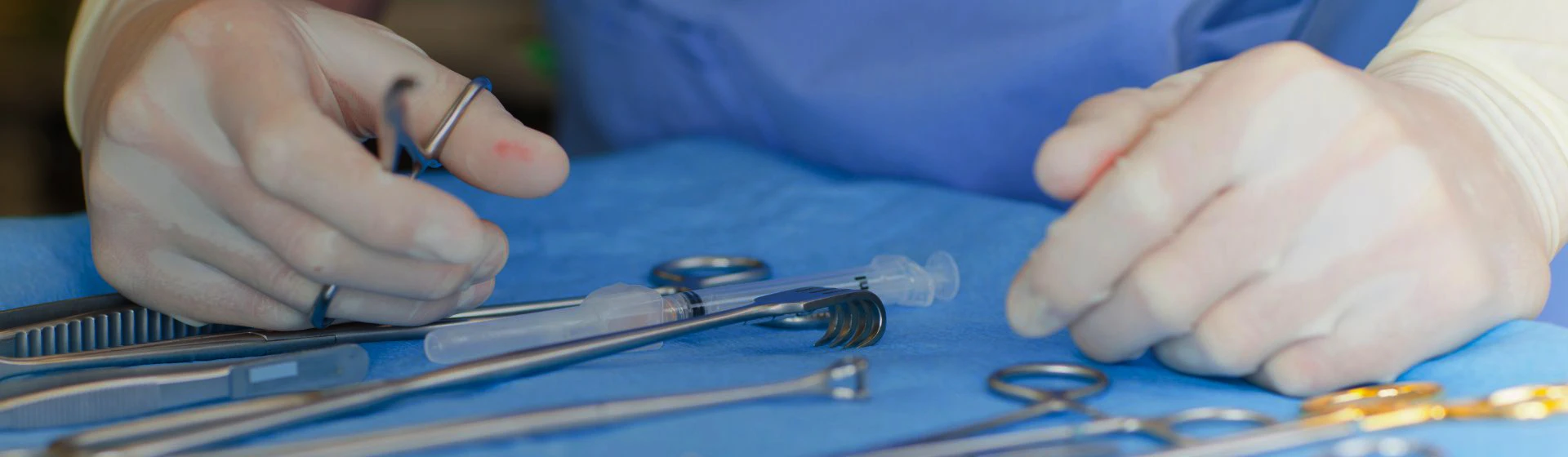
TURP (transurethral resection) is a prostate surgery performed by endoscopic method. During the operation a thin tube, equipped with a camera, lighting and a set of tools is inserted into the patient’s urethra (urethra). In this case no incisions are made from the outside.

Indications for TURP
The main indication for this operation is prostate adenoma – a benign prostatic hyperplasia. This diagnosis tells about a proliferation and increase in the size of the prostate. In the early stages the disease undergoes drug therapy. If the patient seeks medical advice at the first signs of prostate adenoma, the problem can be solved without surgery.
The disease progresses with age and is not cured by itself, that’s why treatment is better to start as early as possible.
The following symptoms should get a man’s attention:
-
frequent urge to urinate (including at night);
-
feeling of incomplete emptying of the bladder;
-
urination in small portions.
In addition to adenoma, transurethral resection is performed for cysts and strictures of the prostate, prostate sclerosis and in the case of malignant neoplasms (cancer).
How TURP is performed
Removal of prostate tissues during transurethral resection is performed as follows: by means of an endoscope inserted into the urethra, the surgeon gains access to the prostate and with the help of a loop-like high-frequency electrode removes the prostate gland layer-by-layer. The excised tissues of the gland are removed through the channels of the endoscope.
TURP can be monopolar or bipolar. These two operations differ a little only in technique - the main difference lays in the equipment. In the first case, an electrode with one pole is used, and in the second – with two. In case of monopolar transurethral resection, the electric flow from the electrode is carried through the tissues of the body, with bipolar - the discharge passes between the two poles of the electrode. The removed tissues are placed between them. The cost of bipolar therapy is a little bit higher compared to monopolar therapy.
Monopolar TURP is usually indicated for patients with prostate with the size up to 80 milliliters, bipolar TURP is used for large gland sizes, as well as for patients who have cardiac pacemakers installed (the electric flows in monopolar TUR can affect the devices functioning).
Both monopolar and bipolar TURP are the "gold standard" of surgical removal of benign prostatic hyperplasia – it is the most attenuated method with high efficiency. An alternative method is only an open surgery, the price of which is slightly lower, but the percentage of complications is much higher, and the postoperative period is longer.
Tur of the prostate in the "Oxford Medical" clinic
Urologic surgeries in the "Oxford Medical Kiev" are carried out in a new surgical hospital.
The operation itself usually lasts up to an hour and a half and is usually performed under general anesthesia. The postoperative period lasts from 3 to 7 days (with open surgery - up to 30 days), discharge from the clinic, in most cases, is possible on the third or fourth day after surgery.
Transurethral resection of adenoma, like any surgery, can have complications: retrograde ejaculation, urethral strictures and urinary incontinence. Erectile dysfunction is a rare complication and occurs usually in one in 200 operated patients. It should be noted that the probability of complications is much higher in case of open surgery.


Our doctors

 4.88
4.88  27+
27+  27+ Years of experience
  Kyiv, st. Bereznyakivska, 30b




 in the clinic
  online

 Hello!
Let's take care
about your health:

