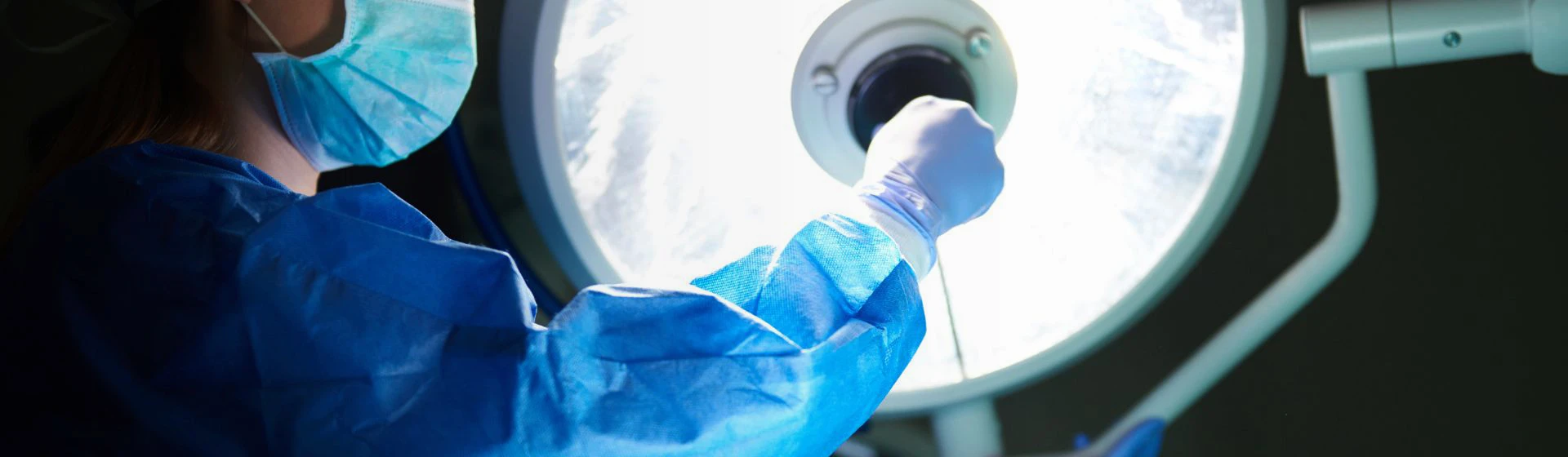
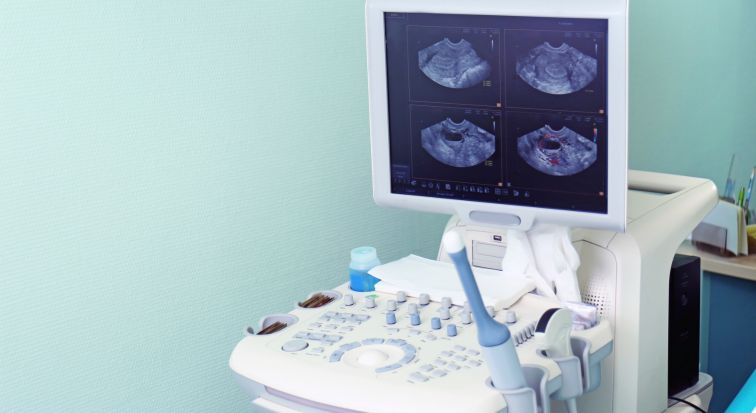
TUR of the bladder is performed in the early stages of cancer, when the tumor has not yet grown into the muscle layer and, accordingly, has not gone beyond the organ.
Open resection is performed for hard-to-reach neoplasms and in other cases when the operation cannot be performed endoscopically. As a rule, it is prescribed for stage 2-3 cancer.
Radical cystectomy is performed mainly in patients with stage 3 cancer, less often 4. During the operation, the surgeon removes the entire bladder and other organs into which the tumor has grown. In women, this may be the uterus, ovaries, fallopian tubes and the anterior wall of the vagina, and in men - the prostate and urethra.
To restore the function of urination after cystectomy, reconstructive surgery is performed. In some cases, an artificial bladder is formed from small intestine tissue, which is connected to the ureters and urethra. In others, a stoma is created through which urine is drained into a ureter attached to the abdomen.
Removing the tumor is a key part of cancer therapy, but no less important is the subsequent treatment of bladder cancer.
Chemotherapy or immunotherapy are most often prescribed for bladder cancer.
With early treatment, the prognosis is good - many patients manage to achieve recovery or long-term remission.