

 Adults Adults Adults Adults Adults Adults Adults Adults Adults
  Children Children Children Children


 Hotline:
 Adults Adults Adults Adults Adults Adults Adults Adults Adults Children Children Children Children


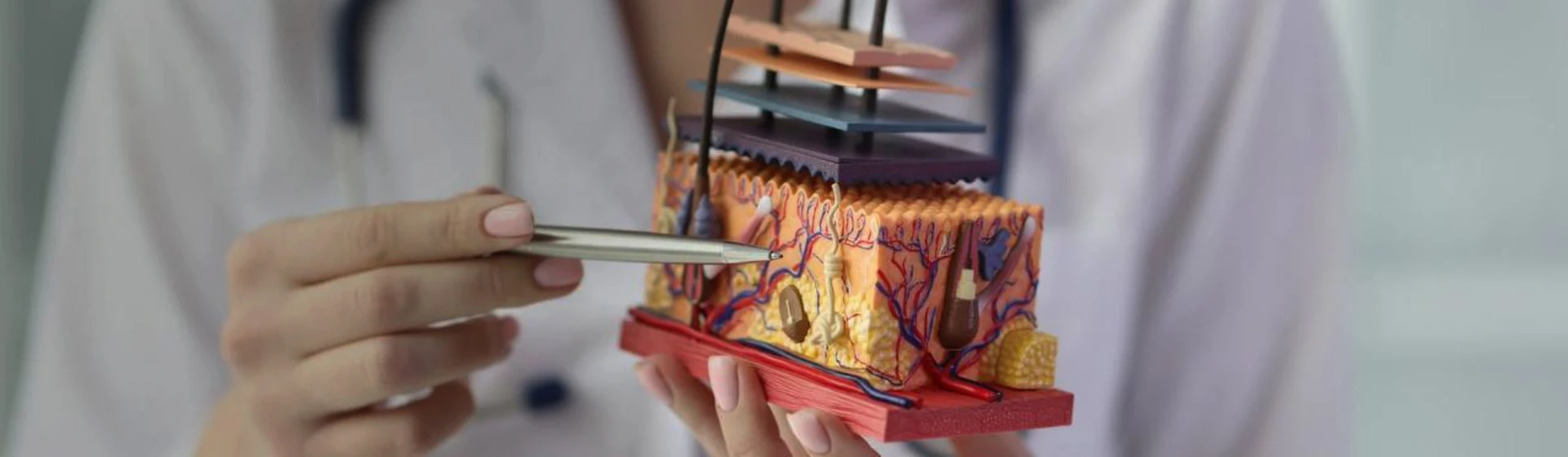
Smooth skin mycosis (fungus) treatment
Treatment of mycosis (fungus) of smooth skin in Kyiv
Mycosis of smooth skin or dermatomycosis is a fairly common disease of infectious nature. Skin mycosis is a group of fungal diseases affecting the limbs, torso, and in some cases, vellus hair. Two forms of mycosis are distinguished: superficial trichophytosis and microsporia of smooth skin. Candidiasis and other conditions also belong to the types of mycosis. The danger of this disease lies in the fact that mycoses are chronic in most cases. Delay in seeking medical attention from a specialist is usually explained by poor awareness of the ways the disease is transmitted, preventive measures, early signs, and the basic principles of mycosis treatment. As is known, the later the disease is detected, the more complex and prolonged the treatment will be.
Causes of dermatomycosis
Skin mycosis can be triggered by many factors, including:
-
weakened immune system;
-
chronic diseases;
-
prolonged treatment with certain medications;
-
use of low-quality pharmaceutical products;
-
irrational nutrition and consumption of unhealthy food;
-
presence of harmful habits;
-
poor hygiene.
As is known, it is always easier to prevent a disease than to treat it. To prevent skin diseases, specialists recommend regularly treating footwear and linen, ventilating rooms, and doing wet cleaning at home.
Symptoms of smooth skin mycosis
Signs of the erythematous-squamous form of skin mycosis include:
-
appearance of red round or oval spots, their growth, and formation of foci with polycyclic outlines;
-
the skin in the affected areas becomes brownish and is covered with fine scales;
-
occurrence of red follicular elements.
The follicular-nodular form of skin mycosis is characterized by the formation of grouped pustular and papulo-pustular eruptions. In this form of mycosis, vellus hair may sometimes be affected. The infiltrative-suppurative form is quite rare and usually occurs in children on the scalp.
Diagnosis of dermatomycosis
Accurate and timely diagnosis of smooth skin mycosis plays a key role in selecting an effective treatment strategy. The diagnostic process begins with a dermatological examination and medical history collection, including the analysis of the patient’s complaints, evaluation of clinical symptoms, and identification of possible risk factors for fungal infection.
To confirm the diagnosis and identify the type of pathogen, the following tests are performed:
-
Microscopic examination of skin scrapings from the affected area to detect fungal spores and hyphae.
-
Culture testing on special media to accurately identify the type of fungus and its sensitivity to antifungal medications.
-
Fluorescence diagnostics (Wood's lamp examination) — used to detect characteristic fluorescence of certain fungal species.
-
Dermatoscopy — if needed, used for detailed visual assessment of skin lesions.
In some cases, especially with atypical presentations or if standard therapy proves ineffective, the doctor may also order general clinical tests and consultations with related specialists. Diagnosis at Oxford Medical Clinic is carried out using modern equipment, enabling fast and accurate identification of the disease and immediate initiation of treatment.
Treatment of dermatomycosis
Treatment of the disease involves the use of topical agents. The choice of a specific antifungal remedy depends on the degree of scaling and the stage of the inflammatory process in the affected area. As a rule, dermatologists prescribe treatment with antifungal ointments and creams. In cases where the fungus affects vellus hair, in addition to antifungal medications, a sealing method is used: adhesive tape is applied to the affected skin areas for five days. The affected hairs are removed through epilation. When dermatomycosis becomes prolonged, the dermatologist may prescribe systemic treatment — a course of oral antifungal drugs. Medication therapy leads to the disappearance of skin spots, renewal of hair and nail plates. After treatment, the test for the presence of fungus shows a negative result.


Advantages of Oxford Medical Dermatology in Kyiv

Comprehensive treatment approach. We treat not only symptoms but also eliminate the root cause of the disease.
Modern equipment. We use advanced technologies for accurate diagnosis and effective treatment.
Individual therapy programs. Treatment plans are developed considering the specifics of the disease course.
Experienced dermatologists. Consultations are provided by specialists with extensive clinical experience and high qualifications.

Our doctors
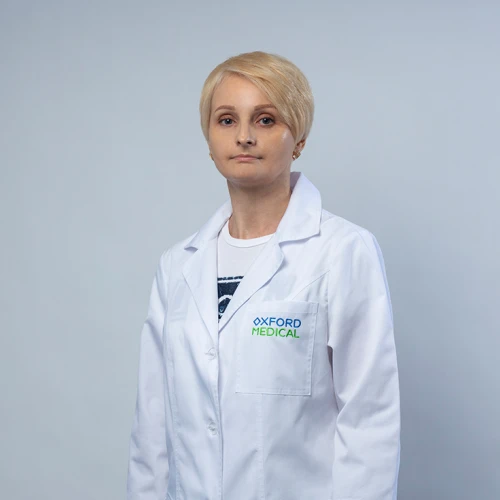
 4.92
4.92  18+
18+  18+ Years of experience
  Kyiv, Mykhayla Hryshka St., 1
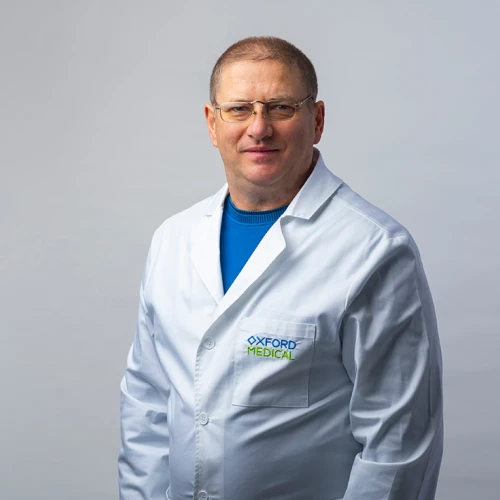 4.96 25+
  25+ Years of experience Kyiv, Knyaziv Ostrozkyh St., 46/2 Kyiv, Oleksandra Olesia St., 2
 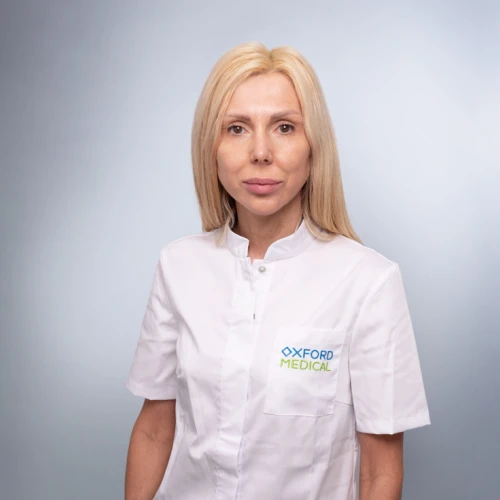 4.95 16+ 16+ Years of experience Kyiv, Hlybochytska St., 40x
 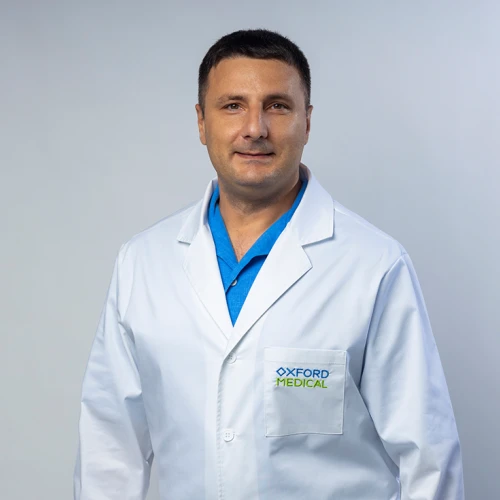 4.95 20+ 20+ Years of experience Kyiv, Vasyl Lypkivskoho St., 38

 in the clinic
  online

 Hello!
Let's take care
about your health:

