


adrenogenital syndrome (congenital hyperplasia of the adrenal cortex)

Adrenalectomy is a surgery that removes one or both adrenal glands. The main indications are malignant and benign neoplasms.

 Adults Adults Adults Adults Adults Adults Adults Adults Adults
  Children Children Children Children


 Hotline:
 Adults Adults Adults Adults Adults Adults Adults Adults Adults Children Children Children Children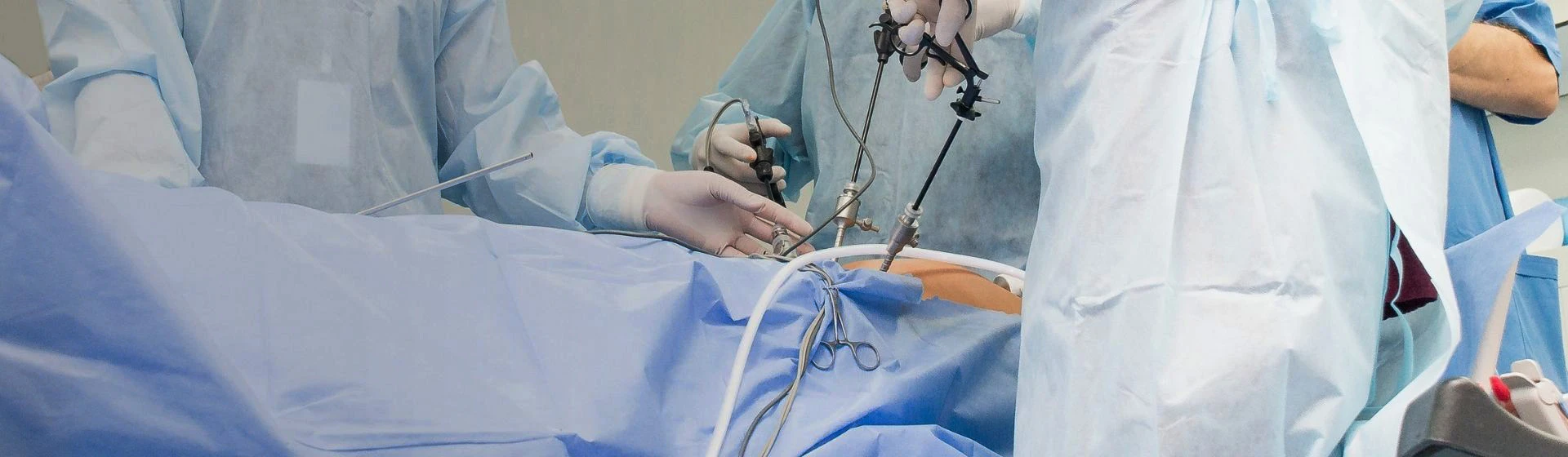
Surgeries in the hospital are covered by a loyalty program, which makes treatment even more affordable.
Adrenalectomy – is an operation to remove one or both adrenal glands. It is most often performed for malignant or benign neoplasms, when conservative therapy or resection (removal of part of the organ) are ineffective or inappropriate.
In «Oxford Medical» perform:
open adrenalectomy – is a standard method of surgical interventions, when using which an incision is made on the abdominal wall, side or lower back;
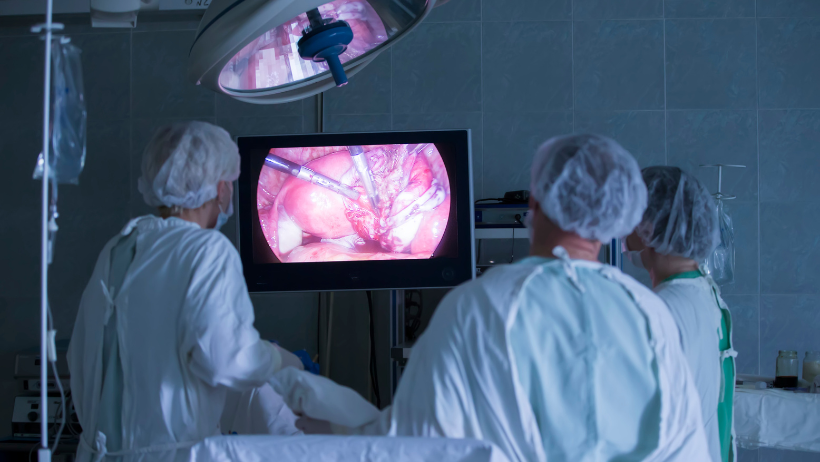
laparoscopic adrenalectomy – This is a minimally invasive method that provides access to the operated organ through several punctures, up to 1 cm in diameter.
Laparoscopy allows you to minimize damage to healthy tissues, reduce the risk of major blood loss and improve the rehabilitation period.
Surgeons decide which method will be optimal for the patient after a thorough diagnosis. You can also undergo it on expert-class equipment, which allows you to diagnose tumors from 1 mm in size, at the medical center "Oxford Medical".
It is believed that approximately 15% of patients adrenal cancer develop as a result of innate genetic characteristics. In other cases, the development of the disease is caused by various reasons.
The main risk factors include:
hereditary predisposition;
congenital anomalies of the adrenal glands;
trauma in the lumbar region;
surgery on the adrenal glands;
diseases of the endocrine system;
immune disorders;
hypertension;
increased excitability of the nervous system;
smoking;
alcohol abuse;
unbalanced diet;
interaction with toxic substances;
unfavorable environmental conditions.
To reduce the risk of disease, experts recommend leading a healthy lifestyle, regularly undergoing preventive examinations and timely treatment of all diseases.
Adrenalectomy is a complex operation and requires a highly qualified and experienced surgeon, especially when using the laparoscopic technique.
At «Oxford Medical», adrenalectomy is performed by top-class surgeons with over 20 years of experience. The operations are performed in a high-tech hospital equipped with expert-class equipment (endoscopic racks, ultrasonic scalpel, argon laser, etc.).
The cost of laparoscopic adrenalectomy may be slightly higher than open access operations. This is due to the need to use high-precision equipment and the availability of special skills and experience by the doctor. The price of the operation may also vary depending on the complexity: removal of one or two adrenal glands, etc.
Only a surgeon can more accurately orient the patient regarding the cost of adrenalectomy. He needs to undergo an examination and study the results of the examinations beforehand. You can find out the cost of surgical treatment here.
To make an appointment with a surgeon at the «Oxford Medical» clinic, call our contact center or leave a request on the website.
Indications for adrenal gland removal are:


adrenogenital syndrome (congenital hyperplasia of the adrenal cortex)
malignant or benign pheochromocytoma
primary carcinoma
metastases
Kinna disease

During the preparation for surgery, the patient may be prescribed an ultrasound of the adrenal glands, computed or magnetic resonance imaging, scintigraphy and adrenal biopsy with subsequent histological analysis of the biopsy. The studies allow to accurately determine the location and size of the neoplasm, and the histological analysis - whether it is benign or malignant.
Immediately before the operation, the patient also undergoes general and biochemical blood and urine tests, blood tests for group and Rh factor, for coagulation, for hepatitis B, C, HIV and syphilis, as well as electrocardiography (ECG).
Adrenalectomy is performed under general anesthesia. Depending on the type of tumor, its size, and other individual characteristics of the patient, the operation is performed open or laparoscopically.
Laparoscopy is less traumatic. However, it may not be suitable for patients with large malignant neoplasms, obesity, and some other contraindications.
When using the laparoscopic technique, several punctures are made in the abdominal wall to gain access to the organ. Their diameter is about 1 cm. This is enough to insert a laparoscope with a miniature video camera and endoscopic instruments. Using them, the surgeon ties off the blood vessels, places the adrenal gland in a sealed capsule, and removes it.
With open adrenalectomy, an incision is made in the side, back, or peritoneum. Its length is usually about 20 cm. This gives the surgeon a wide view and can determine the boundaries of the malignant neoplasm as accurately as possible.
In most cases, the disease affects only one adrenal gland, so an adrenalectomy is performed on the left or right. If the other adrenal gland is healthy, it will soon begin to produce more hormones, compensating for the removal of one gland.
The specifics of the rehabilitation period largely depend on the method of operation. After laparoscopy, patients are allowed to get out of bed, as a rule, on the day of the operation, and are discharged after 1-3 days. Open surgery is accompanied by greater trauma and requires bed rest. In this case, the length of stay in the hospital can reach 5-7 days, and sometimes more.
After the operation, the patient is immediately transferred to the intensive care unit. There, he gradually comes out of anesthesia. At this time, all vital signs are monitored using special equipment.
When the patient's condition does not cause concern (usually after 1-3 hours), he is transferred to a surgical hospital. "Oxford Medical" is equipped with comfortable single and double hotel-type wards. They have special beds with electronic control, air conditioning, a TV, a nurse call button, etc.
The rehabilitation period after adrenalectomy is from 3 to 6 weeks. At this time, the patient is recommended to follow a therapeutic diet, not lift weights, avoid heavy physical exertion, and not visit baths and saunas. Drug therapy is also prescribed: antibiotics to prevent the development of infection, anti-inflammatory, analgesic and other drugs according to indications. In the case of unilateral adrenalectomy, hormone replacement therapy is also prescribed to increase the production of hormones by the second adrenal gland. If both are removed, hormone therapy is prescribed indefinitely.
Patients who have undergone surgery for cancer may soon be prescribed chemotherapy or other treatment.

Removal of one adrenal gland, as a rule, does not lead to complications. Over time, its functions are taken over by the other gland.
If both are removed, a hormone deficiency occurs, which is compensated for by hormone replacement therapy.
Most patients remain able to work after the operation and can lead a quality lifestyle.
At the same time, adrenalectomy, like all operations, is associated with the risk of common intraoperative and postoperative complications, such as heavy bleeding, suture divergence, infection, etc. To minimize them, the patient undergoes a thorough preoperative examination, and then is prescribed medication, a therapeutic diet, and restrictions on physical activity.


Adrenalectomy is a surgery that removes one or both adrenal glands. The main indications are malignant and benign neoplasms.
Laparoscopic adrenalectomy is a minimally invasive surgery to remove one or both adrenal glands. It is performed without a large incision. Access to the organ being operated on is provided through several punctures, into which endoscopic instruments and a video camera are inserted. This approach minimizes damage to healthy tissues, reduces the risk of complications, and improves the rehabilitation period.
The cost of laparoscopic adrenalectomy is usually slightly higher than open surgery. This is due to the fact that it can only be performed by a highly skilled surgeon who has undergone special training, as well as the need to use expensive equipment. At the same time, laparoscopy is accompanied by a lower risk of complications and an easier and shorter rehabilitation period.


Highly qualified and experienced surgeons who have already performed several hundred successful operations
High-tech equipment of operating units
Availability of intensive care (rehabilitation) wards equipped with equipment to monitor and support the body's vital functions
Comfortable single and double wards in the surgical hospital
The possibility of carrying out comprehensive treatment of adrenal cancer using chemotherapy, targeted therapy and immunotherapy
Loyalty program for regular patients


 4.58
4.58  42+
42+  42+ Years of experience
  Kyiv, st. Bereznyakivska, 30b




 in the clinic
  online
  Hello!


