


Cancer: cancer of the uterus, cervix, ovaries, or fallopian tubes
Removal of the uterus along with the cervix. This method is the most common and is performed in cases of cancer or large tumors.

 Adults Adults Adults Adults Adults Adults Adults Adults Adults
  Children Children Children Children


 Hotline:
 Adults Adults Adults Adults Adults Adults Adults Adults Adults Children Children Children Children
A loyalty program is available for surgical interventions in the hospital, which makes treatment even more affordable.
Hysterectomy — is a serious surgical intervention that involves removing the uterus, and sometimes its appendages, ovaries, and fallopian tubes. The operation is performed for a number of complex gynecological diseases when other treatment methods are ineffective.
Although the decision to remove the uterus can be very difficult, in cases where other methods do not work, surgery is often the best option that can improve the quality and duration of life.
At the Oxford Medical clinic, hysterectomy is performed by experienced gynecological surgeons. The clinic's equipment allows for both minimally invasive and open gynecological surgeries, ensuring maximum efficiency. Our patients receive assistance at all stages of treatment: from diagnosis to rehabilitation.
Hysterectomy (removal of the uterus) is an operation during which the uterus is removed, and under certain indications, the ovaries, fallopian tubes, cervix and adjacent tissues. The decision on the extent of the operation is made by the doctor, based on medical indications and the individual needs of the patient.
In cases of oncological diseases, such as uterine or cervical cancer, extirpation may be life-saving. In some cases, it allows you to improve the quality of life by eliminating chronic pain, heavy bleeding or inflammatory processes.

There are several types of hysterectomy:
Removal of the uterus along with the cervix. This method is the most common and is performed in cases of cancer or large tumors.
Removal of the uterine body with preservation of the cervix. This is a less traumatic option that can be used in the case of some benign diseases.
In addition to the uterus, the fallopian tubes and ovaries are also removed. This method is used for cancer or other serious gynecological problems.
This method is used for common malignant tumors.


Cancer: cancer of the uterus, cervix, ovaries, or fallopian tubes
Uterine fibroids: large or numerous nodes that cause persistent pain, bleeding, or pressure on nearby organs
Endometriosis: a serious case that does not respond to conservative treatment and causes pain and inflammation.
Chronic pelvic pain and inflammation: conditions that cannot be cured by other methods
Uterine prolapse: prolapse of the uterus or its severe prolapse, which disrupts the quality of life and cannot be eliminated by other methods, including surgery

Before the operation, the patient must undergo a series of examinations and consultations. These studies help the doctor choose the optimal method of surgery and prepare the patient for the intervention.
The doctor collects a medical history, studies the results of previous examinations, and draws up a plan for surgery and rehabilitation.
Blood tests, urine tests, coagulogram, tests for infections, group and Rh factor.
To accurately determine the size and condition of the uterus, identify possible tumors or other disorders.
To assess the condition of the heart and exclude the risk of complications.
The operation to remove the uterus and appendages can be performed using different methods, depending on the indications and complexity of the case:
The surgical process lasts from 1 to 3 hours, depending on the complexity of the intervention.
The postoperative period after removal of the uterus with appendages requires special attention and adherence to the doctor's recommendations for successful recovery. In the first days after the operation, the patient may experience mild pain, discomfort, and weakness, which are normal symptoms associated with tissue healing. At this time, it is important to adhere to bed rest, avoid any physical exertion and sudden movements that may increase pain or cause complications.
After the operation, each patient is given individual recommendations for the fastest possible recovery.
Usually, the postoperative period after removal of the uterus and ovaries includes:
limiting physical exertion and avoiding lifting heavy objects for the first 6-8 weeks;
sexual rest for 6-8 weeks;
maintaining a healthy lifestyle and proper nutrition.
The length of recovery after a hysterectomy can vary depending on the type of surgery. On average, it takes 6-8 weeks for the body to fully recover from surgery, although recovery from laparoscopic surgery or vaginal hysterectomy may be faster.
«Oxford Medical» — is a modern medical center that provides patients with a high level of medical care. We operate a high-tech surgical hospital equipped with the latest expert-class equipment. It allows you to perform both classic open-access and minimally invasive surgeries, including laparoscopic hysterectomy and vaginal hysterectomy.
The price of hysterectomy surgery may vary depending on the chosen method (abdominal, vaginal, laparoscopic) and the scope of the intervention. You can check the prices in advance here. A gynecologist will provide you with more detailed information about the specifics of the operation and its cost during a preliminary consultation.
To make an appointment for a consultation with a gynecological surgeon at the Oxford Medical clinic in Kyiv, call our contact center or leave a request on the website.


Comfort: we provide a comfortable stay in the clinic in single and double hotel-style rooms with constant medical supervision
Qualified specialists: we employ experienced gynecologists and surgeons who have many years of experience in performing such operations
Modern equipment: the clinic uses the latest technologies, including high-quality laparoscopic units and hysteroscopes for minimally invasive interventions
Individual approach: each patient receives a personalized treatment plan based on her medical indications and individual characteristics of the body
Minimal risks of complications: thanks to high-quality medical equipment and the professionalism of our team, we ensure the lowest risks during the operation. We have an intensive care unit and intensive care wards with equipment to support artificial respiration and other vital body functions

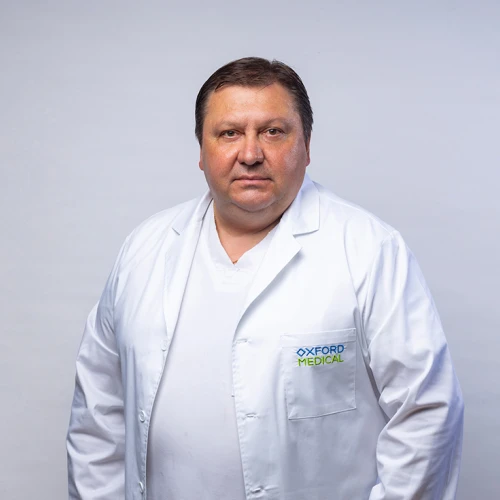
 4.82
4.82  29+
29+  29+ Years of experience
  Kyiv, st. Bereznyakivska, 30b



 in the clinic
  online
  Hello!


