Depending on the size of the hernia and other individual characteristics of the patient, the hernia is removed by:
Most surgeons recommend the second option. It allows almost completely eliminating the risk of recurrence. The endoprosthesis is a thin but very strong mesh made of biocompatible material. It is placed over the damaged area of the peritoneum. Thus, when intra-abdominal pressure increases, the load is transferred to the implant, and not to the sutures and weakened tissues.
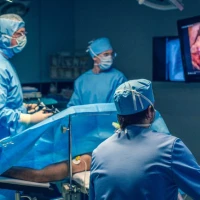
Most often, the operation is performed laparoscopically – this is a minimally invasive method. Access to the organs is provided through 3 punctures in the anterior abdominal wall. Through them, a laparoscope equipped with a miniature video camera and surgical instruments are inserted. To enlarge the surgical field, carbon dioxide is injected into the abdominal cavity.
The image from the laparoscope is transmitted to the monitor screen with multiple magnification. It allows the surgeon to perform all manipulations with maximum precision. First, he extracts the internal organs from the hernia sac and returns them to their anatomically correct place, after which he sutures the hernia gate and, if necessary, applies a mesh endoprosthesis.
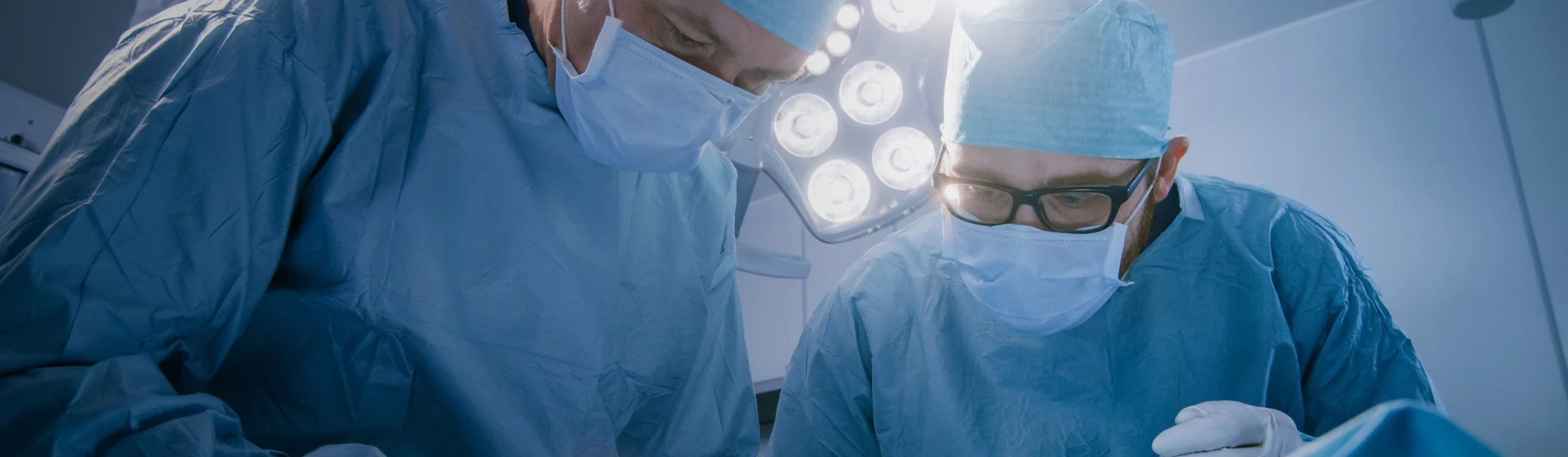
In open hernioplasty (may be recommended for a large hernia, complications, and other indications), an incision about 12 cm long is made on the abdominal wall. At the same time, the surgical technique remains the same.
Both laparoscopic and open surgery are performed under general anesthesia. In some cases, spinal anesthesia is used.