


infection of the surgical wound
Lasts about six hours after the first symptoms appear. Accompanied by swelling of the mucous membrane of the appendix.

 Adults Adults Adults Adults Adults Adults Adults Adults Adults
  Children Children Children Children


 Hotline:
 Adults Adults Adults Adults Adults Adults Adults Adults Adults Children Children Children Children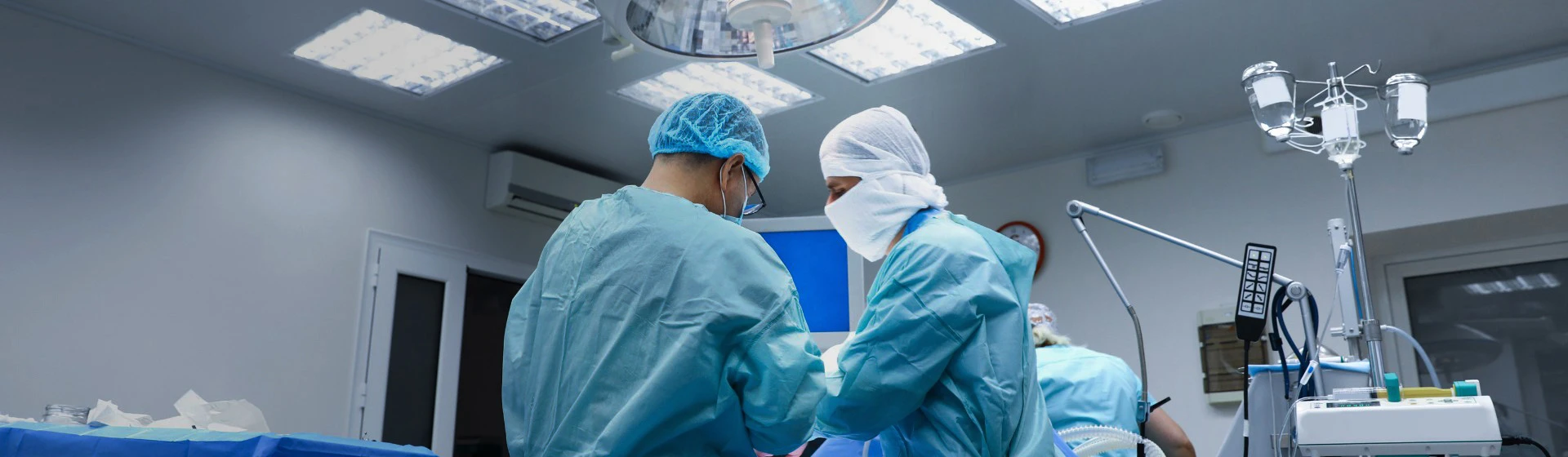
A loyalty program is available for surgical interventions in the hospital, which makes treatment even more affordable.
Appendicitis - this is inflammation of the appendix (a worm-like appendage of the cecum, the length of which can be from 5 to 15 cm, and the diameter is about 1 cm). The disease begins in an acute form and requires urgent surgical intervention. During an appendectomy, the appendix is removed. In the absence of timely treatment, it can lead to the development of complications or become chronic.
In "Oxford Medical" the operation is performed:
The surgical hospital "Oxford Medical" is equipped with new diagnostic and operating equipment of expert class, and the surgeons have the highest medical category and over 20 years of experience.
The main manifestation is abdominal pain: first localized in its upper part, and then - on the right. The pain can also be felt in the right hypochondrium, give to the anus or back.
With the development of appendicitis, the pain usually intensifies. But at a certain stage, on the contrary, it can decrease. This does not mean recovery. The cause may be the death of the nervous system of the appendix, which means the development of gangrenous inflammation. Without urgent surgery, the inflammation can spread to the peritoneum and abdominal organs.
The pain may also be mild if the appendix is located behind the cecum.
Acute appendicitis is characterized by pronounced symptoms. The patient experiences severe pain, nausea and vomiting, fever, and indigestion.
Symptoms of the disease that require immediate medical attention:
increased pain when pressing on the abdomen;
vomiting and nausea;
high fever (over 38°C);
tense abdominal muscles;
digestive disorders (diarrhea, constipation).
With these symptoms, a visit to the doctor is mandatory – Self-diagnosis, as well as self-treatment, are unacceptable for appendicitis.
Appendicitis begins to develop in an acute form. Depending on the characteristics of the pathological process, 4 stages of the disease are distinguished:
Lasts about six hours after the first symptoms appear. Accompanied by swelling of the mucous membrane of the appendix.
It develops over a period of 6 to 24 hours. It is accompanied by the formation of pus and the spread of inflammation to the entire appendix.
It develops in the absence of timely treatment between 24 and 72 hours. It is accompanied by impaired microcirculation and tissue necrosis. At the same time, nerve endings die, which leads to a decrease in pain.
Without surgery, the appendix may rupture, spread of inflammation to the peritoneum and other abdominal organs, and develop peritonitis.
In some cases, appendicitis may progress to a chronic stage, characterized by mild symptoms.
If appendicitis is suspected, the patient is urgently hospitalized. The initial diagnosis can be made based on the results of the examination and assessment of symptoms, but a number of tests and instrumental examinations are performed to confirm it:
blood and urine tests;
Ultrasound of the abdominal organs;
Computed tomography;
Diagnostic laparoscopy
The symptoms of appendicitis are similar to the manifestations of other diseases, so it is important to exclude them at the diagnostic stage. This may require consultations with doctors of other specialties: gynecologist, urologist, proctologist, gastroenterologist.
The surgical hospital "Oxford Medical" has new equipment and a team of experienced specialists, which allows for a quick and high-quality examination and an accurate diagnosis.
The operation to remove the appendix is called an appendectomy. It is most often performed under general anesthesia, although the procedure can also be performed with local anesthesia.
The operation lasts from 30 minutes to an hour and a half - it all depends on the severity of the patient's condition and the presence of concomitant diseases.
Appendectomy can be performed by the traditional or laparoscopic method. In the first case, the removal is performed through a small incision on the right side of the abdomen, in the second - through small punctures. The choice of method depends on the patient's wishes, the complications identified and the position of the appendix.
After the operation, the patient stays in a comfortable hospital ward for several days, under the 24-hour supervision of medical staff. At this time, a bandage is applied, and the patient is forbidden to get out of bed. With laparoscopic removal, you are usually allowed to get up the next day.
To have the stitches removed, the patient comes to the clinic on the 7th-9th day after the appendectomy. Physical activity, relaxation in saunas, and swimming in swimming pools are contraindicated for a month after the operation.
With timely surgery, complications rarely develop. Their risk increases in the case of
late diagnosis and/or non-compliance with medical recommendations after surgery.
Potential complications include:


infection of the surgical wound
bleeding
intestinal obstruction
postoperative hernia
peritonitis
abdominal adhesions
keloid scars
urinary retention

A common cause of appendicitis is a blockage of the appendix, which can be caused by undigested food particles or constipation. Injuries, infections, or inflammatory bowel diseases can trigger the development of inflammation. Anatomical features can also be the cause of the disease: increased mobility of the appendix or the presence of kinks.
The risk of developing appendicitis is increased by:
unbalanced diet;
frequent constipation;
chronic infectious diseases;
impaired absorption of nutrients;
immunodeficiency conditions.
To prevent the disease, experts recommend eating properly and consuming sufficient amounts of foods rich in fiber, establishing regular bowel movements, and treating all diseases in a timely manner.
«Oxford Medical» has a 24-hour surgical hospital and an ambulance service. Patients who require urgent hospitalization can contact the clinic at any time.
The cost of appendicitis surgery depends on:
You can find out the prices of operations at «Oxford Medical» here.


If you experience pain and other symptoms of appendicitis, you should seek medical attention as soon as possible. Appendicitis is treated only surgically. Without timely surgery, the appendix can rupture, which can lead to peritonitis and other dangerous complications.
After removal of the appendix, the patient is recommended to adhere to bed rest for 1 or more days, as well as a diet. After discharge from the hospital, you cannot wet the wound until the stitches are removed, perform heavy physical exertion, lift weights, eat salty, smoked and other foods that are not part of the diet, and independently interrupt the intake of medications prescribed by the doctor.
To make an appointment with a doctor or call an ambulance, call our contact center at the numbers listed on the website or leave an online application.


Availability of expert-grade diagnostic and surgical equipment
Performing laparoscopic and open surgeries depending on indications
Highly qualified surgeons
Comfortable wards with 24-hour medical supervision


 4.9
4.9  47+
47+  47+ Years of experience
 4.58 42+ 42+ Years of experience
  4.84 40+
 4.95 43+ 43+ Years of experience
  Kyiv, st. Bereznyakivska, 30b




 in the clinic
  online
  Hello!


