


An implant is a titanium rod that replaces the root of a lost tooth. A crown is the visible part of the construction that is fixed on the implant and restores the shape, function and aesthetics of the tooth.
Sign up via call center 
 Adults Adults Adults Adults Adults Adults Adults Adults Adults
  Children Children Children Children
Department
Adults Outpatient department
Adults Outpatient department
Inpatient department
Adults Inpatient department
Aesthetic medicine
Adults Aesthetic medicine
Dentistry
Adults Dentistry
Plastic surgery
Adults Plastic surgery
Diagnostics
Adults Diagnostics
Analyzes
Adults Analyzes
Outbound services
Adults Outbound services
Children Outpatient department
Children Outpatient department
Dentistry
Children Dentistry
Diagnostics
Children Diagnostics

Kyiv


 Hotline:
 Request a call:


Department
Adults Outpatient department
Adults Outpatient department
Inpatient department
Adults Inpatient department
Aesthetic medicine
Adults Aesthetic medicine
Dentistry
Adults Dentistry
Plastic surgery
Adults Plastic surgery
Diagnostics
Adults Diagnostics
Analyzes
Adults Analyzes
Outbound services
Adults Outbound services
Children Outpatient department
Children Outpatient department
Dentistry
Children Dentistry
Diagnostics
Children Diagnostics
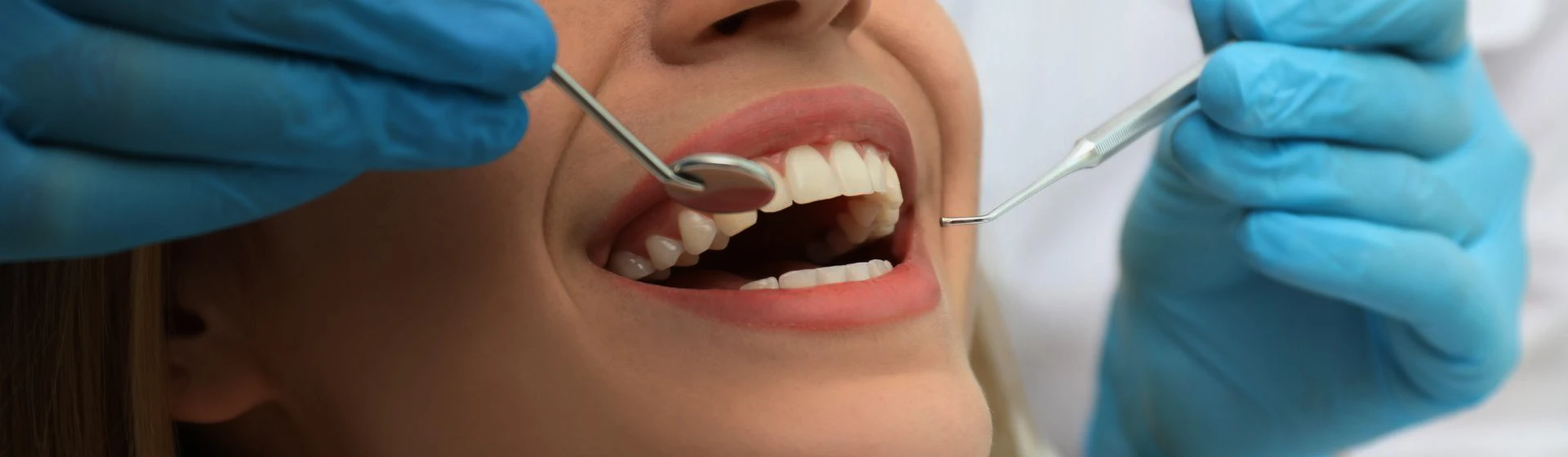
Crowns on implants
Cost of services
Services

Crown on the implant "Bicon" without the cost of the abutment (with installation)
12000.00 ₴
As prescribed by the doctor
Zirconium oxide-based crown without abutment cost (implant-based, screw-retained)
13500.00 ₴
As prescribed by the doctor
Zirconium oxide-based crown without abutment cost (implant-based, cement-retained)
13500.00 ₴
As prescribed by the doctor
Metal-ceramic crown without abutment cost (with implant installation, screw fixation)
9600.00 ₴
As prescribed by the doctor
Metal-ceramic crown without abutment cost (with implant installation, cement fixation)
9000.00 ₴
As prescribed by the doctor
Loss of a tooth does not mean that you will have to put up with discomfort or hide your smile. One of the most modern ways of restoring the dental row is crowns on implants. They allow restoring the aesthetics of the smile, chewing function and provide comfort in everyday life.
In the “Oxford Medical” dentistry, the optimal variant of orthopedic construction is selected for each patient, taking into account the location of the tooth, bite features and individual wishes. We use modern materials and work in accordance with international protocols so that the result is natural, reliable and durable. Make an appointment for a consultation to choose the optimal variant of tooth restoration together with the dentist.
Types of crowns on dental implants
There are different types of crowns on dental implants, which differ by material, aesthetic properties, strength and service life. The dentist selects the optimal option individually, taking into account which tooth needs to be restored and the patient’s aesthetic wishes.
| Type of crown | Features | Approximate service life |
| Combine high strength, durability and excellent aesthetics. They look as natural as possible and are suitable for restoring both anterior and masticatory teeth. | 15–20 years and more | |
| They excellently reproduce the natural color and transparency of enamel, therefore they are especially well suited for the smile zone. | 10–15 years and more | |
| Metal-ceramic | A reliable and more affordable option in terms of cost. They have a metal framework with a ceramic coating. Over time, a darker edge may appear in the gum area, therefore they are used less often for anterior teeth. | 10–15 years |
Doctors of “Oxford Medical” explain: each material has its advantages, therefore there is no universal solution. During the consultation, the dentist will help choose the option that will be optimal specifically for your clinical case.
Indications for installing crowns on implants
A crown is installed when the implant has already taken root and can perform the role of a reliable support. This is the final stage of tooth restoration: it is the crown that forms its visible part.
Most often, it is necessary to install crowns on implants after the loss of one or several teeth. The cause of tooth extraction may be trauma, deep caries, periodontitis, root fracture or other conditions when it is already impossible to preserve the tooth.
Doctors of “Oxford Medical” explain: in most cases, a permanent orthopedic construction is installed 3–6 months after implantation, when the implant has fully taken root in the bone tissue. At the same time, if there are appropriate indications, a temporary crown can be installed immediately or within several days after implantation.
Contraindications
In most cases, installation of a crown on an implant is possible after successful engraftment of the implant. However, sometimes the final stage of prosthetics has to be postponed until the factors that may affect the result of treatment are eliminated.
Installation of the orthopedic construction may be temporarily postponed in such cases:
- inflammatory processes in the area of the implant or surrounding tissues;
- insufficient engraftment of the implant;
- gum diseases that require treatment;
- bite disorders or other conditions requiring preliminary correction.
Doctors of “Oxford Medical” explain: before fixation, the dentist necessarily assesses the condition of the implant and surrounding tissues. If everything meets the clinical requirements, it is possible to proceed to the final stage of prosthetics.
Stages of installing crowns on implants
After engraftment of the implant, the orthopedic stage begins — prosthetics. It is at this stage that the construction is manufactured and installed, which restores the function and aesthetics of the tooth.
Main stages:
- Examination and control of implant engraftment.
The doctor assesses the condition of the implant and surrounding tissues to make sure that it is possible to proceed to prosthetics. - Taking impressions or digital scanning.
Based on the obtained data, an individual construction is manufactured in the dental technical laboratory. - Fitting.
The dentist checks the accuracy of fit, shape, color and bite, and, if necessary, corrects the product. - Fixation of the crown on the implant.
After the final check, the doctor reliably fixes the construction.
Doctors of “Oxford Medical” explain: the accuracy of each stage directly affects the comfort, aesthetics and durability of the future construction. That is why we use modern digital technologies and cooperate with premium-class dental technical laboratories that use high-quality materials for manufacturing crowns.
Rules for caring for crowns on implants
Dental crowns on implants are not affected by caries, but they also require regular care.
It is recommended:
- to brush teeth twice a day with a soft toothbrush;
- to use dental floss, interdental brushes or an irrigator in accordance with the dentist’s recommendations;
- to undergo professional hygiene and preventive examinations within the timeframes determined by the doctor;
- not to crack very hard objects (ice, nuts in shells, etc.) in order to avoid damage to the product.
Doctors of “Oxford Medical” recommend not skipping preventive examinations even in the absence of complaints. This allows timely assessment of the condition of the implant, orthopedic construction and surrounding tissues and, if necessary, carrying out the necessary correction.
How much does a crown on an implant cost in Kyiv in the private clinic “Oxford Medical”
The cost depends on the material, method of fixation and other features. Prices for crowns on implants can be preliminarily viewed here.
During the consultation, the dentist will conduct an examination, answer all questions and orient you regarding the full cost for medical services. To make an appointment for a consultation, contact the contact center by phone or use the online appointment form on the website.
The information is for informational purposes and does not replace a doctor's consultation.
Sources:
Frequently asked questions
How does a crown differ from an implant?
Can a crown be placed on an implant immediately?
In some cases, this is possible. If the implant has sufficient primary stability and there are no contraindications, the doctor can install a temporary construction immediately or within several days after implantation. The permanent one is usually fixed after complete engraftment of the implant.
How much time does installing a crown on an implant take?
The installation itself usually lasts about 30–60 minutes. Before this, an examination and fitting of the construction are carried out.
How is a crown attached to an implant?
The crown is fixed on a special abutment that connects it to the implant. Depending on the construction, it can be attached using dental cement or screw fixation.
Can a crown on an implant be remade?
Yes. If the product has been damaged, has lost its aesthetic appearance or has stopped corresponding to the bite, it can be replaced. The dentist makes the final decision after an examination.
How long do gums hurt after installing a crown on an implant?
Slight discomfort or sensitivity may persist for several days. If the pain intensifies, swelling appears or other unusual symptoms occur, it is necessary to contact a dentist.
Can two crowns be placed on one implant?
In most cases, no. One implant usually serves as a support for one orthopedic construction. In some cases, alternative options may be used, but the final decision is made by the dentist after an examination.


Benefits of Implant-Supported Crown Placement at Oxford Medical Dentistry

Guarantee on implants and crowns. Implant integration is covered for 1 year, while installed crowns are covered for 2 years.
Experienced dentists. Our doctors follow modern implantation and prosthodontic protocols.
Reliable implants and aesthetic crowns. Implant systems with a success rate of over 99% are combined with natural-looking ceramic or zirconia crowns.
Natural appearance and comfort. The crown’s shape, shade, and size are selected to blend harmoniously with the dental arch.
Show more 

 4.92
4.92  19+
19+ Orthopedic dentist, Chief physician in dentistry
 19+ Years of experience
 Consultation 1
 Kyiv, Andriy Verkhoglyad St., 14B
 4.94 18+
 Orthopedic dentist
18+ Years of experience Consultation 1
Kyiv, Pavlivska St., 26/41  4.93 4+
 Dentist-therapist
4+ Years of experience Consultation 1
Kyiv, Andriy Verkhoglyad St., 14B Kyiv, Pavlivska St., 26/41  4.89 6+
 Dentist-therapist, orthopedist
6+ Years of experience Consultation 1
Kyiv, Andriy Verkhoglyad St., 14B  4.73 16+
Vitalina 12.10.2026
Робила чистку зубів у лікаря Польотової у відділенні на Гришка. Все дуже сподобалось, лагідно робила, враховуючи мою чутливість зубів. Рекомендую

Ірина 08.10.2026
Вже не вперше звертаюся до Новицької Лесі Олександрівни. Подобається її уважність до деталей і дуже акуратна робота. Цього разу відновлювали зуб, і результат вийшов природним та естетичним. Дякую Лесі Олександрівні за якісне лікування та відповідальний підхід.
Current information

29 September 2026
Pus on the Gums: Causes and What to Do
19 August 2026
Stains on teeth: why they appear and what they mean
19 August 2026
Bleeding Gums: Causes and Treatment

23 July 2026
Toothache: what to do before a visit to the dentist
Sign up via call center
 in the clinic
  online

 Hello!
Let's take care
about your health:
Sign up via call center 
