

 Adults Adults Adults Adults Adults Adults Adults Adults Adults
  Children Children Children Children


 Hotline:
 Adults Adults Adults Adults Adults Adults Adults Adults Adults Children Children Children Children


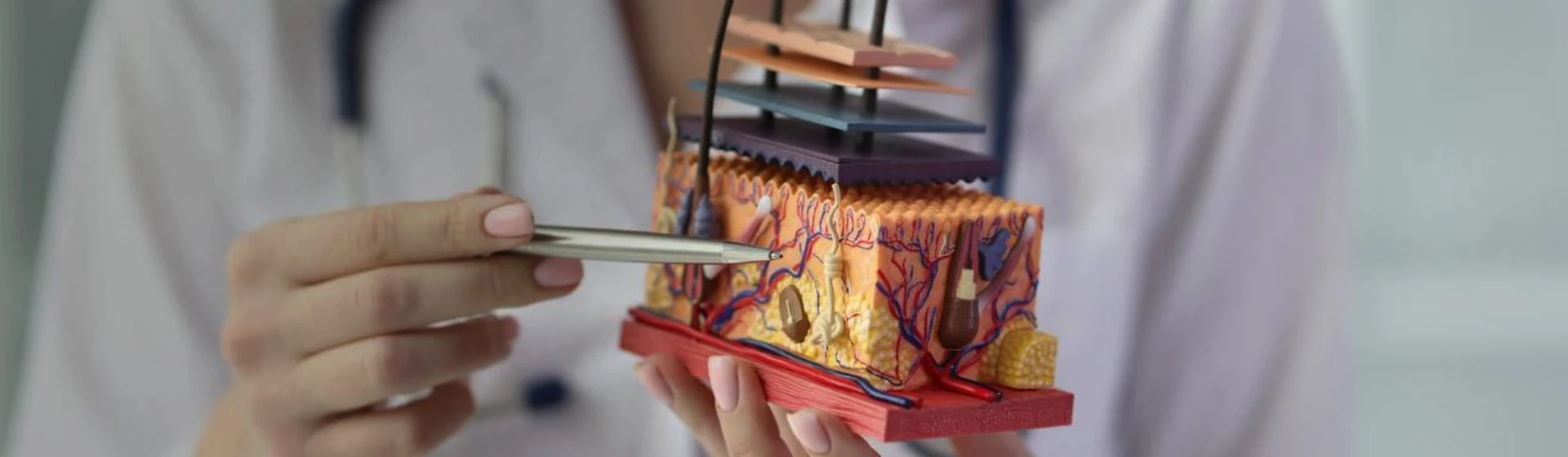
Treatment of facial eczema
Eczema treatment on the face in Kyiv
Eczema is a skin condition that manifests as rashes, itching, and burning of the affected skin areas. Eczema is not contagious, so there is no need to worry about catching it through contact with an affected person or transmitting it to your loved ones.
Causes of eczema
The development of eczema can be influenced by many factors, ranging from genetic predisposition to skin trauma. Most often, the causes of the condition include:
-
allergic reaction;
-
diseases of the digestive system;
-
regular skin contact with toxic substances;
-
weakened immune system;
-
fungal infections;
-
endocrine disorders;
-
diseases of the nervous system.
It is extremely rare for eczema to be caused by just one of the factors listed above. Most often, its occurrence is the result of the interaction of several factors at once. The form of the disease depends on their combination.
Facial symptoms are characteristic of true (idiopathic) eczema and, in some cases, seborrheic eczema.
Symptoms of facial eczema
Most commonly, eczema affects the eyebrows, nose, eyelids, and lips. The lesions usually appear symmetrically—that is, if a rash appears on the right side of the face, it will eventually appear on the left as well.
The classic symptoms of eczema include facial swelling and rashes in the form of red spots and vesicles, which eventually rupture and form erosions (wounds). Depending on the form of the disease, itching or burning sensations may occur. As the condition progresses, the nodules merge into plaques covered with dry crusts.
Sometimes eczema can affect the area around the mouth and eyes. If the lips are affected, they become crusted and may bleed.
If eczema is not treated, the condition becomes chronic: the skin gradually thickens and takes on a grayish-brown hue. Painful sensations can become so severe that they interfere with sleep.
Self-treatment of eczema can lead to complications: the appearance of purulent inflammations, development of bacterial infections, and spreading of the disease throughout the body, including the scalp.
Diagnosis and treatment of facial eczema
Diagnosis begins with a dermatologist’s examination and a review of the patient’s medical history: past illnesses, lifestyle, work conditions, and major habits. Based on this information, the doctor makes a preliminary diagnosis, determines the possible causes of the disease, and prescribes additional tests.
If allergy plays a key role in the development of the condition, allergy tests are prescribed to identify the allergen. If a fungal infection is suspected, a scraping for fungal infections is performed. If the presumed cause is related to the nervous, digestive, or endocrine systems, consultations with the appropriate specialists—neurologist, gastroenterologist, or endocrinologist—are scheduled.
Eczema treatment is carried out in two main directions: symptom relief and elimination of the underlying cause. The treatment course is selected individually in each case and includes both topical remedies (ointments, creams, and compresses) and oral medications. Only treatment aimed at eliminating the root cause of the condition can help get rid of eczema.
Self-treatment of eczema, without understanding the underlying cause, is never successful—it provides only short-term relief, followed by disease flare-ups and complications.
Get rid of eczema—schedule an appointment with a dermatologist at the “Oxford Medical Kyiv” clinic by phone or by filling out the form on the website!


Advantages of Oxford Medical Dermatology in Kyiv

Comprehensive treatment approach. We treat not only symptoms but also eliminate the root cause of the disease.
Modern equipment. We use advanced technologies for accurate diagnosis and effective treatment.
Individual therapy programs. Treatment plans are developed considering the specifics of the disease course.
Experienced dermatologists. Consultations are provided by specialists with extensive clinical experience and high qualifications.

Our doctors
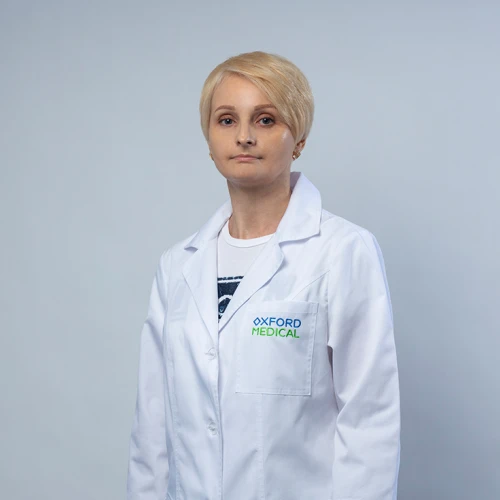
 4.92
4.92  18+
18+  18+ Years of experience
  Kyiv, Mykhayla Hryshka St., 1
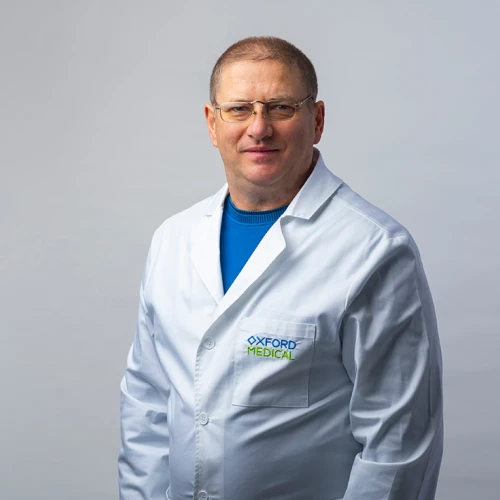 4.96 25+
  25+ Years of experience Kyiv, Knyaziv Ostrozkyh St., 46/2 Kyiv, Oleksandra Olesia St., 2
 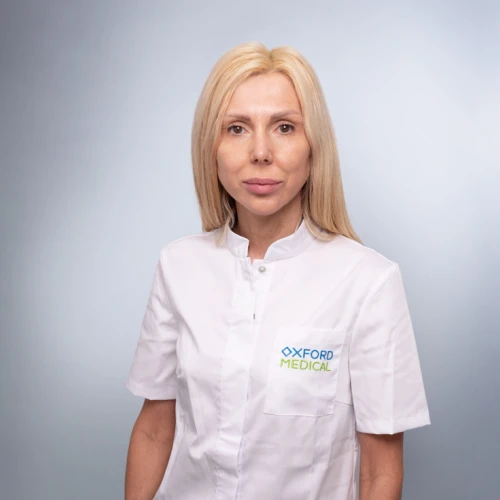 4.95 16+ 16+ Years of experience Kyiv, Hlybochytska St., 40x
 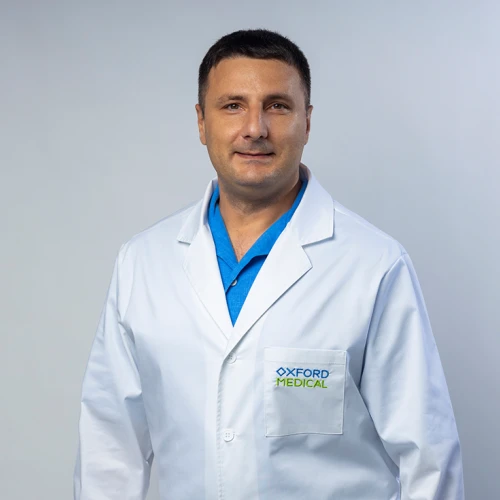 4.95 20+ 20+ Years of experience Kyiv, Vasyl Lypkivskoho St., 38


 in the clinic
  online

 Hello!
Let's take care
about your health:

