


pronounced itching, which often intensifies in the evening and at night;
External agents with anti-inflammatory, antipruritic, and emollient effects are used; they help reduce skin manifestations and improve its condition.

 Adults Adults Adults Adults Adults Adults Adults Adults Adults
  Children Children Children Children


 Hotline:
 Adults Adults Adults Adults Adults Adults Adults Adults Adults Children Children Children Children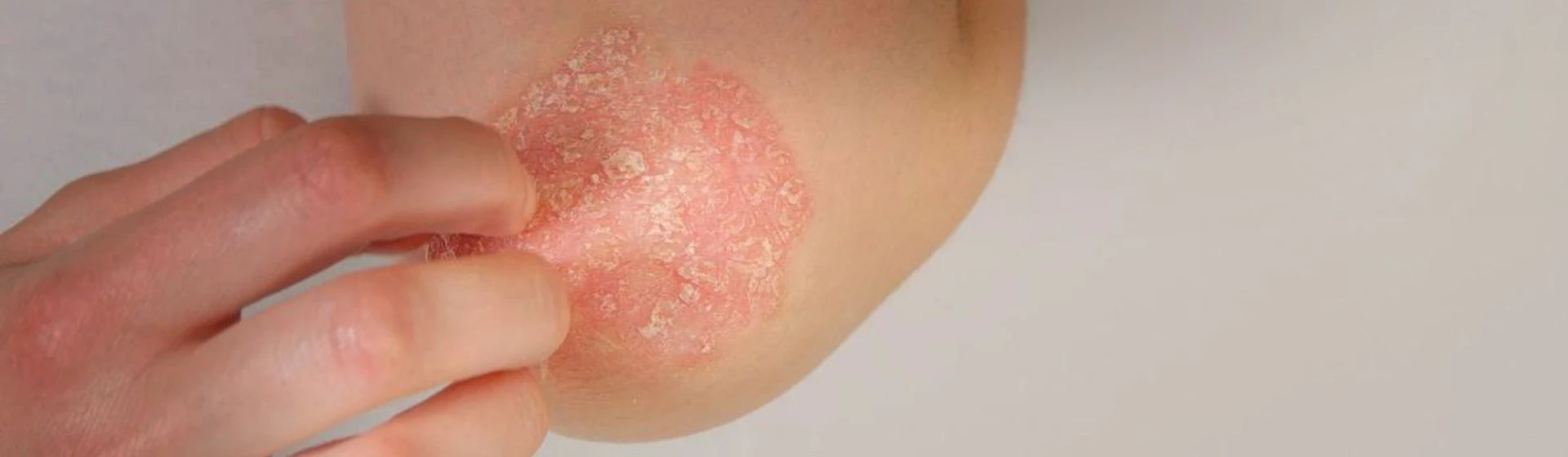
Neurodermatitis is a chronic inflammatory skin disease of neuroallergic origin, which is accompanied by pronounced itching, dryness, and characteristic changes of the skin. The disease has a recurrent course and can affect various areas of the body, significantly impacting well-being and quality of life.
At the medical center «Оксфорд Медікал», dermatologists will help determine the form of the disease, the causes of its development, and select an effective treatment regimen taking into account the individual characteristics of the patient.
You can schedule a consultation at a convenient time for you — by phone through the contact center or via the online form on the clinic’s website.
The causes of neurodermatitis are associated with disorders of the nervous system and immune regulation, as well as increased skin sensitivity to external and internal factors. The disease does not have a single specific cause; usually it develops under the influence of several factors simultaneously.
The main causes and provoking factors of neurodermatitis include:
Understanding possible provoking factors of neurodermatitis helps reduce the frequency of exacerbations, control the course of the disease, and timely adjust treatment.
Depending on the nature of the lesion and the extent of the pathological process, several clinical forms of the disease are distinguished. Such a classification helps more accurately determine the features of the disease course and choose the optimal treatment strategy.
According to the extent of the process, the following are distinguished:
Clinical variants of limited neurodermatitis:
Each form has its own clinical features; therefore, accurate determination of the type of neurodermatitis is an important stage in establishing the diagnosis and planning further treatment.
If a patient has neurodermatitis, the symptoms may vary
in intensity and duration. The main manifestations include:


pronounced itching, which often intensifies in the evening and at night;
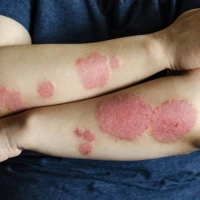
dryness of the skin, and with a prolonged course — its thickening and roughening in the affected area;
formation of dense foci with altered skin relief and an intensified skin pattern;
change in skin color in the affected areas — from pink to brown.

Symptoms of neurodermatitis may vary depending on the stage of the disease and the activity of the inflammatory process. During periods of exacerbation, manifestations are more pronounced, while during remission the intensity of symptoms decreases, but the skin’s tendency to dryness and irritation remains.
Neurodermatitis can affect various areas of the body. The localization of rashes influences the severity of symptoms and the course of the disease.
Most often, manifestations of neurodermatitis are observed in the following areas:
In most patients, neurodermatitis has a focal character and manifests as lesions of individual skin areas.
If persistent changes appear in any area, it is recommended to consult a dermatologist to clarify the diagnosis and select treatment.
During the consultation, the doctor performs a detailed examination of the skin, evaluates the nature of changes, their localization, the duration of symptoms, and the frequency of exacerbations.
Collection of medical history is of great importance: the patient’s complaints, the presence of chronic diseases, the influence of stress factors, as well as the relationship of symptoms with possible irritants are clarified. This allows for a better understanding of the mechanism of disease development and identification of provoking factors.
In most cases, the diagnosis of neurodermatitis is established clinically. If necessary, the doctor may prescribe additional examinations for differential diagnosis, including laboratory tests.
Treatment of neurodermatitis is comprehensive and aimed at reducing inflammation, eliminating itching, restoring the skin barrier, and preventing recurrent exacerbations. Treatment tactics are selected individually, taking into account the form of the disease, the stage of the process, and the localization of lesions.
The patient may be prescribed:
External agents with anti-inflammatory, antipruritic, and emollient effects are used; they help reduce skin manifestations and improve its condition.
In cases of a pronounced or widespread process, the doctor may prescribe systemic medications to influence the mechanisms of disease development.
Regular skin care, moisturizing, and protection from irritants are an important component of therapy, especially in chronic cases.
Elimination or minimization of factors that cause exacerbations helps stabilize the condition and prolong remission periods.
Exacerbation of the disease during this period may be associated with hormonal changes, increased skin sensitivity, and emotional stress.
Treatment of neurodermatitis during pregnancy requires a particularly balanced approach, since the choice of therapy must take into account not only the condition of the woman’s skin but also the possible impact on the course of pregnancy.
The main emphasis is placed on non-drug methods and gentle topical therapy. The doctor selects skin care products that help reduce dryness and itching.
Self-medication during pregnancy is unacceptable. Timely and correct treatment allows stabilizing the skin condition and reducing the risk of exacerbations.
Exacerbation of neurodermatitis is usually manifested by an intensification of symptoms and the appearance of new or more pronounced skin changes. At this stage, it is important for a dermatologist to help adjust skin care and the treatment program.
The main signs of exacerbation include:
If symptoms progress rapidly or signs of infection appear (oozing, soreness, pustular elements), it is necessary to seek medical consultation as soon as possible.
The clinic «Оксфорд Медікал» provides dermatological care in accordance with modern clinical standards.
The cost of treatment of neurodermatitis may vary, as it is selected individually and depends on the form of the disease, the stage of the process, and the severity of symptoms.
You can review the cost of a doctor’s appointment here.
Schedule a consultation at a time convenient for you.
With neurodermatitis, it is recommended to limit foods that may increase itching and skin inflammation. Most often these include spicy dishes, smoked foods, alcohol, excess sweets, chocolate, citrus fruits, and products with a large amount of food additives. Nutrition is selected individually, taking into account the body’s reaction.
Neurodermatitis itself does not pose a direct threat to the fetus; however, pronounced itching and exacerbations may worsen the pregnant woman’s well-being. The main difficulty lies in the limited choice of medications, so treatment is selected with maximum caution.
Neurodermatitis is a chronic disease, so it cannot be completely cured. At the same time, properly selected therapy, regular skin care, and control of provoking factors make it possible to achieve long-term remission and significantly reduce manifestations of the disease.
Neurodermatitis is usually accompanied by intense itching and local thickening of the skin as a result of scratching. Psoriasis is manifested by clearly defined plaques with a scaly surface and less pronounced itching. An accurate diagnosis can be established only by a dermatologist after examination.
Neurodermatitis is not a contagious disease and is not transmitted by contact. It is impossible to become infected through touch, shared household items, or everyday contact. The disease is associated with internal mechanisms of the body, not with infections or viruses.


Modern dermatological protocols. The clinic uses proven treatment methods in accordance with current medical recommendations.
Individual therapy regimens. Treatment is selected taking into account the form of neurodermatitis, the stage of the process, and the characteristics of the patient's skin.
A comprehensive approach to treatment. Therapy is aimed not only at eliminating symptoms, but also at controlling the course of the disease and preventing exacerbations.
Comfortable conditions for patients. The reception takes place at a convenient time, without queues, in a calm and friendly atmosphere.

 4.91
4.91  23+
23+ 
 23+ Years of experience
 4.96 25+ 25+ Years of experience
  Kyiv, Knyaziv Ostrozkyh St., 46/2 Kyiv, Oleksandra Olesia St., 2
  4.92 18+ 18+ Years of experience Kyiv, Mykhayla Hryshka St., 1
  4.95 16+ 16+ Years of experience Kyiv, Hlybochytska St., 40x

 in the clinic
  online
  Hello!


