


pain in the lower abdomen on one or both sides;
Most often, salpingitis manifests as pain in the lower abdomen on one or both sides. The pain may be sharp or aching, intensify during movement, sexual intercourse, or menstruation.

 Adults Adults Adults Adults Adults Adults Adults Adults Adults
  Children Children Children Children


 Hotline:
 Adults Adults Adults Adults Adults Adults Adults Adults Adults Children Children Children Children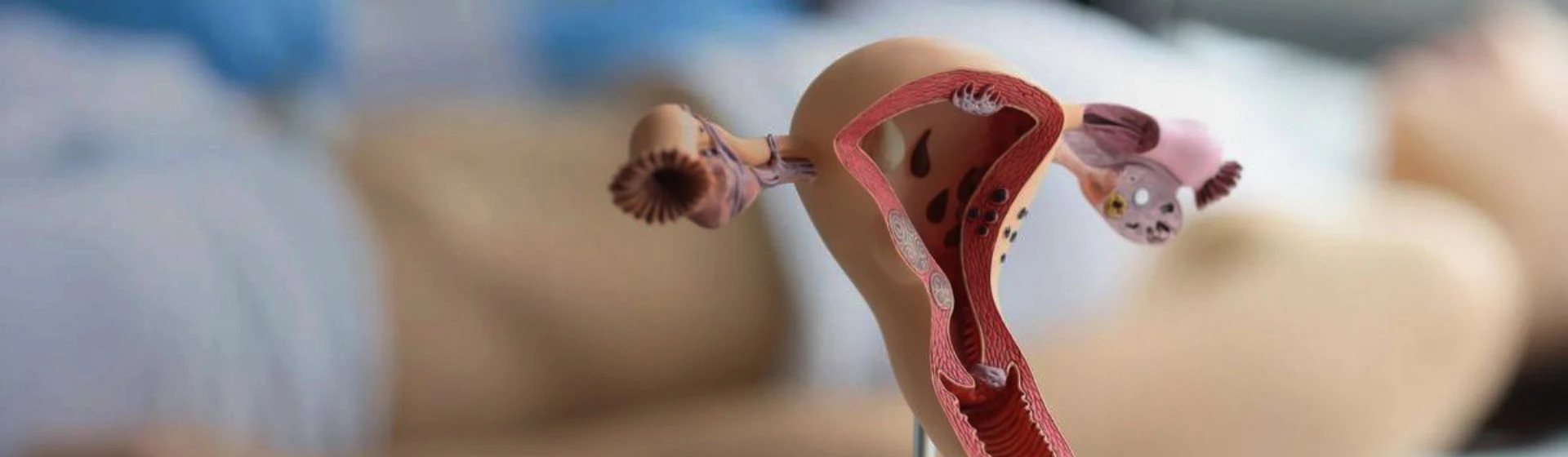
Pain in the lower abdomen, atypical discharge, discomfort during intimacy, or menstrual cycle disorders may be signs of inflammation of the fallopian tubes. Salpingitis is important to diagnose and treat in time. Without medical care, the infection may spread, become chronic, and affect a woman’s reproductive health.
At the Oxford Medical clinic, patients can have a consultation with a gynecologist, an examination on expert-class equipment, and receive individually selected therapy. To find out the cause of the symptoms and start treatment, make an appointment with a gynecologist at a convenient time for you by phone or through the online appointment form on the website.
Salpingitis — is inflammation of one or both fallopian tubes — paired organs of the female reproductive system, through which the egg cell after ovulation passes from the ovary into the uterine cavity.
During inflammation, the tissues swell, the lumen of the tube may narrow, and serous or purulent contents sometimes accumulate inside. If the process lasts a long time or recurs, the risk of adhesion formation and impaired patency of the fallopian tubes increases.
Often salpingitis is not an isolated problem. It may be combined with inflammation of the endometrium, ovaries, cervix, or other structures of the small pelvis.
Salpingitis is classified by course, localization, and the nature of the inflammatory process. Such division helps the doctor assess the activity of the disease, the risk of complications, and choose treatment tactics.
By course, it can be:
By localization, the following are distinguished:
By the nature of the inflammatory process, the following are distinguished:
Regardless of the form and localization, inflammation of the fallopian tubes requires timely diagnosis and treatment
Inflammation of the fallopian tubes most often develops due to an infection that spreads by an ascending route: from the vagina or cervix to the uterine cavity, and then — to the fallopian tubes. According to Centers for Disease Control and Prevention (CDC), inflammatory diseases of the pelvic organs are often associated with Chlamydia trachomatis, Neisseria gonorrhoeae, and mixed bacterial flora.
The main causes of salpingitis include:
Factors that increase the risk of developing salpingitis:
Salpingitis may be combined with inflammation of other pelvic organs. For example, when the process spreads to the uterine appendages, inflammation of the ovaries, endometritis, or adnexitis sometimes develops.
Inflammation in the fallopian tubes may manifest in different ways: from sharp
pain and increased temperature to moderate discomfort that intensifies before
menstruation or after physical exertion.
The most common symptoms of salpingitis:


pain in the lower abdomen on one or both sides;
atypical vaginal discharge, with an unpleasant odor;
increased temperature, weakness, chills;
pain or discomfort during sexual intercourse.

Sometimes salpingitis has an erased course without sharp pain and high temperature. In such cases, a woman may be bothered by periodic aching sensations in the lower abdomen and menstrual cycle disorders. That is why, if inflammation is suspected, it is important to consult a gynecologist, and not wait until the symptoms become pronounced.
Diagnosis of salpingitis begins with a consultation with a gynecologist. The doctor asks about complaints, clarifies when the pain appeared, whether the temperature increased, whether the nature of vaginal discharge changed, and also performs a gynecological examination.
To clarify the diagnosis, the doctor may prescribe:
Ultrasound does not always allow direct visualization of the fallopian tubes. However, with salpingitis, the doctor may detect indirect signs of the inflammatory process, in particular thickening or dilation of the fallopian tube, accumulation of fluid, hydrosalpinx (accumulation of fluid), or other changes in the area of the appendages.
Doctors of «Oxford Medical» note: if a woman is planning pregnancy or has difficulties with conception, a check of the patency of the fallopian tubes may be recommended. For this, hysterosalpingography is used — an X-ray examination during which a contrast agent is introduced into the uterine cavity and it is observed whether it passes through the fallopian tubes. If the contrast passes freely, the tubes are considered patent; if its movement is limited, this may indicate adhesions or other obstacles.
Treatment of salpingitis depends on the form of the disease, the severity of the inflammatory process, and the presence of complications. In most cases, therapy begins with conservative treatment. If inflammation is accompanied by purulent complications or medication therapy does not give the expected result, surgical intervention may be needed.
According to the recommendations of Centers for Disease Control and Prevention (CDC), timely start of treatment is very important. This helps reduce the risk of long-term consequences of inflammatory diseases of the pelvic organs.
Conservative treatment is used in uncomplicated course of salpingitis. The basis of therapy is medication treatment aimed at eliminating the infection and reducing the inflammatory process.
Medication therapy may include:
The doctor selects the treatment regimen individually, taking into account the probable or confirmed pathogen, the severity of the disease, concomitant pathologies, and the general condition of the patient. If the cause of salpingitis is a sexually transmitted infection, the doctor may also recommend examination and treatment of the sexual partner to prevent reinfection.
In severe course of the disease, high temperature, or pronounced intoxication, treatment is carried out in an inpatient department. In such cases, the patient is under constant medical supervision, and medicines may be administered intravenously to achieve the therapeutic effect more quickly.
Surgical treatment is performed if conservative therapy does not give the expected result or complications develop.
Indications for surgery may include:
In most cases, surgical treatment is performed by the laparoscopic method through several small punctures of the anterior abdominal wall. During the operation, the doctor removes purulent contents, performs sanitation of the focus of inflammation, and, if necessary, separates adhesions. If the fallopian tube cannot be preserved due to pronounced irreversible changes, its removal may be performed.
At the Oxford Medical clinic, surgical interventions are performed by experienced gynecologists using modern endoscopic equipment and minimally invasive techniques. If necessary, the patient undergoes treatment in the clinic’s 24-hour inpatient department, where constant medical supervision is provided in comfortable conditions.
Without timely treatment, salpingitis can lead to serious complications. Most often, they are associated with prolonged inflammation, formation of adhesions, and impaired function of the fallopian tubes. That is why it is important to consult a gynecologist when the first symptoms appear and not delay treatment.
Possible complications of salpingitis are:
One of the most serious consequences of salpingitis is impaired patency of the fallopian tubes. Due to inflammation and formation of adhesions, the egg cell may not pass into the uterine cavity, which increases the risk of infertility in women. If fertilization still occurred, but the embryo cannot get into the uterus, the likelihood of developing an ectopic pregnancy increases, which requires urgent surgical intervention.
Doctors of «Oxford Medical» recommend not delaying treatment even with moderately pronounced symptoms. The earlier therapy is started, the higher the likelihood of complete recovery and preservation of reproductive function.
For the prevention of inflammation of the fallopian tubes, it is recommended:
Doctors of «Oxford Medical» recommend not postponing a consultation with a gynecologist even with minor symptoms. Early diagnosis and timely treatment help prevent the spread of the inflammatory process, the development of complications, and preserve a woman’s reproductive health.
The cost of treatment of inflammation of the fallopian tubes depends on the form of the disease, the scope of necessary diagnostics, treatment tactics, and the need for hospitalization. The doctor draws up the therapy plan after conducting a comprehensive examination.
You can familiarize yourself with the current prices for doctors’ consultations here. The doctor will guide you in more detail regarding treatment options and prices for the necessary medical services during the appointment. To receive a consultation with a gynecologist, you can make an appointment online through the form on the website or by the contact center phone number.
The information is for informational purposes and does not replace a doctor’s consultation.
Sources:
Most often, salpingitis manifests as pain in the lower abdomen on one or both sides. The pain may be sharp or aching, intensify during movement, sexual intercourse, or menstruation.
Not always. At the beginning of the disease, ultrasound may show nothing. But if the inflammation is stronger, the doctor may see thickening of the fallopian tubes, accumulation of fluid in them, or other changes that indicate the disease.
Yes, with timely consultation with a doctor, it is possible to achieve sustained remission, eliminate inflammation, and reduce the risk of complications. Treatment tactics are selected individually depending on the course of the disease and its complications.
Salpingitis — is inflammation of the fallopian tubes. At the same time, adnexitis — is a broader concept that means inflammation of the uterine appendages, that is, the fallopian tubes and ovaries simultaneously.


Comprehensive diagnostics. Laboratory tests, ultrasound of the pelvic organs, CT and MRI according to indications are available at the clinic.
Modern treatment methods. Therapy tactics are selected individually in accordance with modern clinical recommendations.
Minimally invasive surgery. If there are indications, surgical treatment is performed by the laparoscopic method, which contributes to faster recovery.
Own 24-hour inpatient department. Patients are under constant medical supervision and receive the necessary care in comfortable conditions.


 4.98
4.98  26+
26+ 
 26+ Years of experience
  Kyiv, Hlybochytska St., 40x
 4.9 6+ 6+ Years of experience Kyiv, Vasyl Lypkivskoho St., 38 Kyiv, Hlybochytska St., 40x
  5 40+ 40+ Years of experience
  5 54+ 54+ Years of experience m. Kyiv, Parkovo-Syretska St., 7A



 in the clinic
  online
  Hello!


