


bloody, mucous, or purulent discharge from the anal opening, a sensation of a foreign body;
In most cases, no. Anoscopy may be accompanied by a sensation of pressure or slight discomfort, but it usually does not cause pronounced pain.

 Adults Adults Adults Adults Adults Adults Adults Adults Adults
  Children Children Children Children


 Hotline:
 Adults Adults Adults Adults Adults Adults Adults Adults Adults Children Children Children Children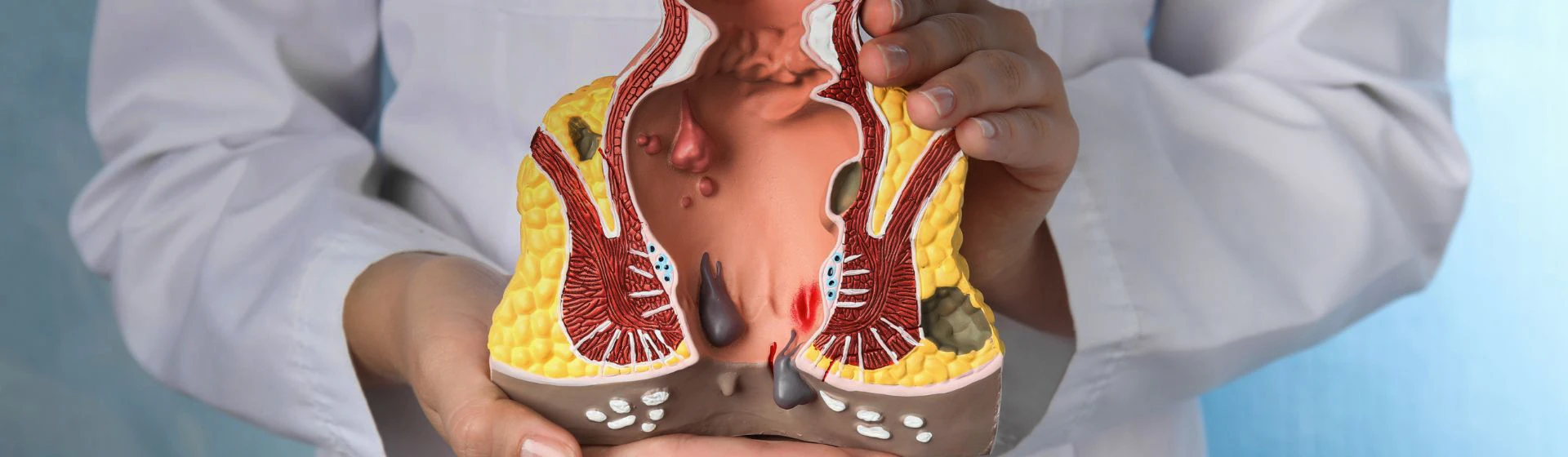

Pain, itching, blood after defecation, or a sensation of a foreign body in the anus area may occur not only due to hemorrhoids. To determine the cause of the symptoms, the doctor may perform anoscopy — an examination of the anal canal and the lower part of the rectum.
At the “Oxford Medical” medical center, appointments are conducted by experienced proctologists who understand the delicate nature of such complaints and provide patients with a comfortable and calm atmosphere. During the initial examination, the doctor assesses the symptoms and performs anoscopy according to indications. To undergo an examination and receive recommendations, schedule a consultation with a proctologist by phone or through the online appointment form on the website.
Anoscopy is an instrumental examination of the anal canal and the lower part of the rectum using an anoscope. It is a short tube with a light that the doctor carefully inserts through the anal opening. The instrument makes it possible to examine the mucous membrane in detail and detect changes that cannot be fully assessed during an external examination.
The doctors at “Oxford Medical” explain: anoscopy differs from endoscopic diagnostics of the rectum, sigmoid colon, or the entire large intestine. It covers a small area, so it usually does not require anesthesia or complex preparation and can be performed during the initial appointment.
Anoscopy of the rectum helps assess the condition of the anal canal and the lower part of the rectum.
With the help of the examination, the doctor can detect:
The examination results help clarify the diagnosis and determine whether the patient needs additional examinations.
The doctor may perform an anorectal examination during the initial appointment
if the complaints indicate a disease of the anal canal or the lower part
of the rectum.
The main indications for anoscopy:


bloody, mucous, or purulent discharge from the anal opening, a sensation of a foreign body;
pain, burning, itching, or discomfort during defecation, a sensation of incomplete emptying;
suspected internal hemorrhoids, anal fissure, inflammation, polyps, or other formations;
monitoring the condition of tissues during the treatment of anal fissures, hemorrhoids, and other proctological diseases.

The doctors at “Oxford Medical” emphasize: blood after defecation, a change in the nature of bowel movements, or a sensation of incomplete emptying may be manifestations of both common proctological diseases and neoplasms. Early diagnosis of rectal cancer and other diseases makes it possible to start treatment in a timely manner and increase its effectiveness.
Anoscopy is not performed or is temporarily postponed if it may increase pain, bleeding, or other symptoms.
Contraindications include:
After the acute symptoms have decreased, the examination can usually be performed. The proctologist makes the decision about its appropriateness individually during the examination.
In most cases, complex preparation for anoscopy is not required. Before the appointment, it is sufficient to perform usual hygiene of the perianal area and, if possible, empty the bowel naturally.
Before the examination, it is recommended to:
The doctors at “Oxford Medical” advise against performing an enema or microenema on your own. If additional bowel cleansing is required, the doctor will provide the appropriate recommendations in advance.
Proper preparation helps make the examination comfortable and obtain reliable results.
The examination is often performed directly during a consultation with a proctologist. The patient lies on their side with their legs bent or assumes another comfortable position.
A special gel is applied to the anoscope, and it is carefully inserted into the anal canal. The doctor gradually examines the mucous membrane, assessing its condition in different areas. During the procedure, pressure or an urge to defecate may be felt, but pronounced pain is usually absent.
Anoscopy does not require general anesthesia. In cases of increased sensitivity, the doctor may apply a local anesthetic. The examination lasts about 5–10 minutes, and after it is completed, the patient can immediately return to their usual activities.
After anoscopy, mild discomfort may persist, which usually passes quickly. If the patient feels well, they can immediately return to their daily activities.
After the procedure, it is recommended to:
These recommendations help avoid additional irritation after the examination. If pronounced pain, heavy bleeding, or other unusual symptoms appear, it is necessary to consult a proctologist.
You can view the current prices for doctor consultations and anoscopy here. At the “Oxford Medical” medical center, anoscopy is performed according to modern clinical standards using high-quality equipment. Experienced proctologists provide a delicate approach, devote sufficient time to the examination, and explain its results in detail. To schedule a consultation, call the contact center or use the online appointment form on the website.
The information is for informational purposes and does not replace a doctor’s consultation.
Sources:
In most cases, no. Anoscopy may be accompanied by a sensation of pressure or slight discomfort, but it usually does not cause pronounced pain.
Anoscopy itself usually lasts 5–10 minutes. If it is performed during a consultation with a proctologist, the total duration of the appointment will be longer, since the doctor also takes the medical history, performs an examination, and explains the examination results.
Yes, if indicated, anoscopy can be performed during pregnancy. The doctor determines the appropriateness of the examination individually.
Anoscopy makes it possible to examine the anal canal and the lower part of the rectum. Sigmoidoscopy covers the entire rectum and part of the sigmoid colon. If it is necessary to examine the entire large intestine, a colonoscopy is performed. The proctologist chooses the diagnostic method depending on the symptoms and the purpose of the examination.
In most cases, natural bowel emptying before the appointment is sufficient. If additional preparation is still required, the doctor informs the patient about it in advance and explains how to perform it correctly.


Experienced proctologists. Qualified specialists with extensive treatment experience.
Advanced diagnostic equipment. Video rectosigmoidoscopy, colonoscopy, and other modern methods.
Unique treatment methods. Use of HAL-RAR and other minimally invasive technologies.
Comprehensive care. Possibility to undergo all tests and examinations on-site.

 4.78
4.78  16+
16+  4.95 24+
  24+ Years of experience
  Kyiv, Mykhayla Hryshka St., 1 Kyiv, Hlybochytska St., 40x
 4.88 10+
 4.9 7+ 7+ Years of experience Kyiv, st. Bereznyakivska, 30b


 in the clinic
  online
  Hello!


