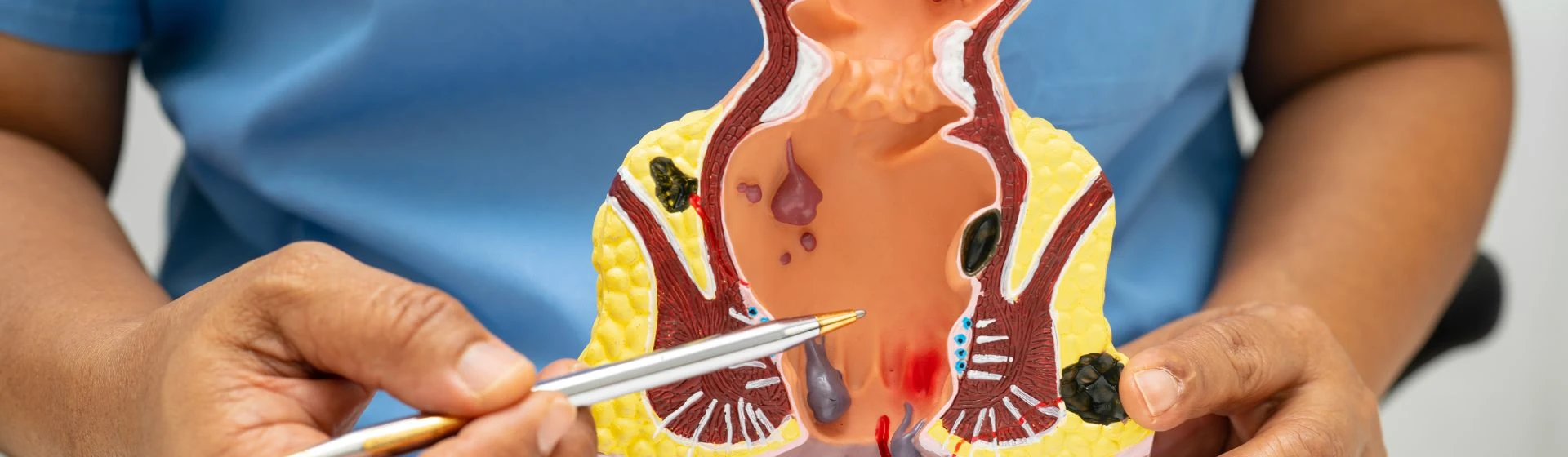
The therapy regimen is selected depending on the cause and severity of the inflammation. In most cases, the disease is treated with medication-based methods.
Treatment of proctitis may include:
- antibacterial medications — if the disease is caused by a bacterial infection;
- antiviral medications — in the case of a viral infection;
- anti-inflammatory agents in the form of suppositories, enemas, foam, or tablets — in the case of ulcerative colitis or Crohn’s disease;
- medications that regulate the functioning of the immune system — in the case of active inflammatory bowel disease, if basic therapy is insufficient;
- agents for protecting the mucous membrane and reducing bleeding — in the case of rectal damage after radiation therapy to the pelvic organs;
- replacement or discontinuation of the medication that may have caused the inflammation — only in agreement with the doctor;
- agents for softening the stool or correcting diarrhea — depending on the existing symptoms.
Doctors at «Oxford Medical» recommend adjusting the diet during an exacerbation. A diet for proctitis may include porridges, soups, lean meat and fish, and boiled or baked vegetables. Spicy, fried, and fatty dishes, alcohol, excessive coffee, and foods that worsen diarrhea or bloating are temporarily restricted. The diet is selected taking into account the symptoms and the cause of the disease.
In rare cases, medication treatment may be insufficient. In the case of persistent bleeding resulting from radiation damage to the rectum, the doctor may perform an endoscopic procedure to treat the bleeding vessels. Surgery is considered only in the case of severe complications or the absence of an effect from other methods.