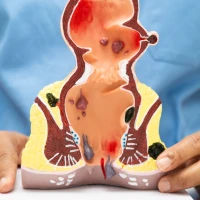
If cryptitis is not accompanied by purulent complications, treatment usually begins with conservative methods. The doctor selects the medications and duration of therapy after the examination, taking into account the severity of the inflammation, the cause of the disease, and the nature of bowel movements.
Treatment may include:
- local anti-inflammatory medications in the form of suppositories or ointments;
- painkillers to reduce pain and discomfort;
- antibacterial medications — if there are signs of a bacterial infection;
- medications to normalize bowel movements in case of constipation or diarrhea.
It is also important to eliminate factors that irritate the anal canal. In case of constipation, it is recommended to add vegetables, fruits, cereals, and other foods containing fiber to the diet, as well as to drink enough water. This helps make the stool softer and reduce repeated injury to the mucous membrane.
According to a study published in PubMed, if cryptitis of the rectum cannot be eliminated by conservative methods, the inflammation regularly recurs, or a purulent complication develops, surgical treatment may be required. During the intervention, the doctor opens the inflamed crypt, cleans it of pus, and, if necessary, removes the affected tissues.
The doctors at «Oxford Medical» recommend not using suppositories, ointments, or antibiotics without a prescription. Self-treatment may temporarily relieve the symptoms but not eliminate the cause of the disease and may complicate further diagnosis and treatment.