


a sudden strong urge that cannot be restrained;
A proctologist diagnoses and treats encopresis. If necessary, the patient may be recommended a consultation with a gastroenterologist, neurologist, or surgeon.

 Adults Adults Adults Adults Adults Adults Adults Adults Adults
  Children Children Children Children


 Hotline:
 Adults Adults Adults Adults Adults Adults Adults Adults Adults Children Children Children Children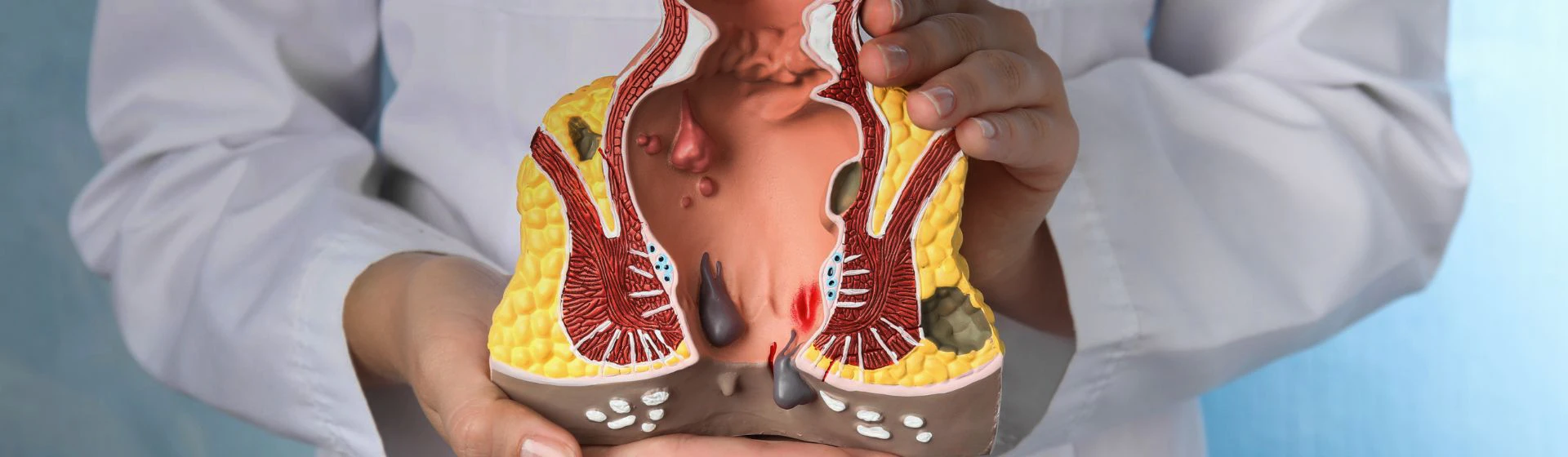

Fecal incontinence can manifest itself in different ways: from periodic soiling of underwear to a complete loss of control over bowel movements. Due to the delicate nature of the problem, many people postpone consulting a doctor, although a correctly identified cause and individually selected treatment often help to significantly reduce the manifestations of the disorder.
At the Oxford Medical medical center, you can have a consultation with a proctologist and the necessary diagnostics in comfortable and confidential conditions. Book an appointment through the online booking form or call the contact center.
Encopresis is a disorder of bowel movement control in which involuntary passage of stool occurs. In some cases, a person feels a sudden strong urge but does not have time to reach the toilet. In others, the person does not notice the urge and only becomes aware of the bowel movement after soiling their underwear.
The manifestations of encopresis depend on whether a person feels the urge to defecate and how well they can control it. According to the nature of the disorder, the following are distinguished:
Leakage after defecation may occur separately, when a small amount of stool remains in the rectum and is passed later. Such a manifestation is possible with incomplete emptying, rectocele, or impaired function of the pelvic floor muscles.
According to its severity, the disorder may manifest as:
The severity of the condition is determined not only by the nature of the discharge, but also by the frequency and volume of episodes, the ability to reach the toilet in time, and the impact of the problem on everyday life.
Bowel movement control is ensured by the coordinated function of the nervous system, rectum, anal sphincter, and pelvic floor muscles. If one of these components does not function properly, it becomes more difficult for a person to feel the urge or retain the intestinal contents until visiting the toilet. Anal incontinence often occurs due to a combination of several causes.
The main causes include:
Doctors at “Oxford Medical” explain that in women, the problem may be associated with damage to the muscles and nerves during childbirth, while in men, it may be associated with injuries and previous surgeries in the rectal or pelvic area. In elderly people, the risk increases due to decreased muscle tone, neurological diseases, and limited mobility.
The manifestations depend on the form and severity of the disorder.
Stool incontinence may be indicated by:


a sudden strong urge that cannot be restrained;
passage of stool without feeling the urge;
leakage after defecation and soiling of underwear;
involuntary passage of intestinal gas or mucus.

With frequent episodes, the skin around the anus may become irritated, causing itching, burning, and discomfort. If the disorder is associated with intestinal diseases, flatulence may also occur.
Diagnosis begins with a consultation with a proctologist. The doctor clarifies how often the episodes occur, whether the person feels the urge, what the nature of the bowel movements is, and whether there have previously been injuries or surgeries. The doctor then performs an examination and a digital rectal examination to assess the condition of the anal sphincter.
To establish the cause of fecal incontinence, the following are prescribed if necessary:
The doctor determines the list of examinations individually after the examination, so a complete diagnostic assessment is not required for every patient. The diagnostic results help determine whether the disorder is associated with the function of the sphincter, nervous system, pelvic floor muscles, or intestinal diseases, and select the appropriate treatment.
Treatment of anal incontinence is selected after examination, since the same symptoms may have different causes. The main objective of therapy is to normalize bowel movements, improve the function of the sphincter and pelvic floor muscles, and also eliminate the disease that led to the disorder.
Depending on the diagnostic results, treatment may include:
Doctors at “Oxford Medical” warn: you should not take laxatives or antidiarrheal medications on your own. Incorrectly selected medications may worsen leakage, constipation, or sudden urges.
If conservative treatment does not help or significant sphincter damage or anatomical changes are detected during the examination, surgery may be required. The doctor may restore the damaged sphincter, correct rectal prolapse, or eliminate another disorder that prevents stool retention. In some cases, a small device is implanted that transmits weak impulses to the nerves and helps improve bowel movement control. The proctologist determines the treatment strategy individually.
Prevention of encopresis is aimed at maintaining regular bowel function, preserving the tone of the pelvic floor muscles, and timely treatment of conditions that may impair bowel movement control.
To reduce the risk, it is recommended to:
Timely examination and treatment help reduce the risk of repeated episodes of involuntary defecation and prevent the disorder from worsening.
The cost of treatment depends on the cause of the disorder, the required scope of diagnostics, and the chosen strategy. First, the patient has a consultation with a proctologist, after which the doctor determines which examinations are needed and whether conservative therapy is sufficient.
Current prices for consultations with doctors can be viewed here. To book an appointment at the proctology department, use the online booking form or call our contact center.
The information is for informational purposes and does not replace a consultation with a doctor.
Sources:
A proctologist diagnoses and treats encopresis. If necessary, the patient may be recommended a consultation with a gastroenterologist, neurologist, or surgeon.
A strict diet is usually not necessary, but the diet is adjusted depending on the cause of the disorder. In case of diarrhea, foods that worsen the symptoms are limited, while in case of constipation, vegetables, fruits, whole-grain products, and a sufficient amount of water are added.
In many cases, treatment makes it possible to restore control over bowel movements or significantly reduce the frequency of episodes. The result depends on the cause of the disorder, the condition of the sphincter, associated diseases, and the timeliness of starting treatment.
Yes, in many cases, conservative treatment is sufficient: normalization of bowel movements, special exercises for the pelvic floor muscles, and treatment of the underlying disease. Surgery is considered in cases of sphincter damage, anatomical changes, or insufficient effectiveness of other methods.


Experienced proctologists. Qualified specialists with extensive treatment experience.
Advanced diagnostic equipment. Video rectosigmoidoscopy, colonoscopy, and other modern methods.
Unique treatment methods. Use of HAL-RAR and other minimally invasive technologies.
Comprehensive care. Possibility to undergo all tests and examinations on-site.

 4.78
4.78  16+
16+  4.95 24+
  24+ Years of experience
  Kyiv, Hlybochytska St., 40x Kyiv, Mykhayla Hryshka St., 1
 4.97 24+
  24+ Years of experience
  4.88 10+


 in the clinic
  online
  Hello!


