Sign up via call center
Department
Rectovaginal fistula: treat rectovaginal fistulas in Kyiv | Oxford Medical

Treatment of rectocele

Difficulties during defecation, a feeling of pressure in the pelvic area and incomplete emptying may be signs of rectocele. This disorder occurs due to the weakening of the tissues between the rectum and the posterior wall of the vagina. Timely diagnosis helps to select effective treatment and prevent further progression of the disease.

At the “Oxford Medical” medical center, you can receive a consultation with a proctologist and undergo the necessary examination in comfortable conditions. The doctor will carefully assess your complaints, conduct diagnostics and suggest an appropriate treatment option. Book a consultation through the online appointment form on the website or contact the contact center.

What Is a Rectocele

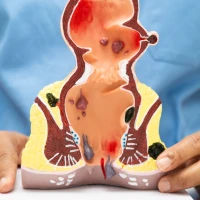
A rectocele is a bulging of the rectal wall toward the vagina, which occurs due to weakening of the tissues between these organs. Fecal matter may be retained in such a bulge, which makes defecation difficult and causes a feeling of incomplete emptying.

According to the American Society of Colon and Rectal Surgeons, a rectocele may prevent complete emptying of the rectum. At the same time, the severity of symptoms does not always depend on the size of the bulge: minor changes sometimes cause noticeable difficulties during defecation, whereas a larger bulge may cause almost no discomfort to a woman for a long time.

Types and Stages of Rectocele

Rectocele is classified according to the direction of the bulging and the severity of anatomical changes. Most often, the anterior form is detected in women, when the rectal wall shifts toward the vagina. The stage is determined by how far the tissues have descended: they remain inside, reach the vaginal opening or extend beyond it.

According to the direction of the bulging, the following types are distinguished:

  • anterior rectocele — the most common type, in which the anterior wall of the rectum shifts toward the posterior wall of the vagina;
  • posterior rectocele — a rare form in which the posterior wall of the rectum bulges backward due to weakening of the muscles and tissues of the pelvic floor;
  • lateral rectocele — the bulging forms on the side due to local weakening of the tissues that support the rectum.

To assess the degree of prolapse, the doctor may use the international POP-Q system. It helps to accurately describe how far the tissues have shifted:

  • Stage 0 — there are no signs of prolapse;
  • Stage I — the tissues have descended slightly and remain inside the vagina;
  • Stage II — the bulging reaches approximately the vaginal opening;
  • Stage III — the tissues partially extend beyond the vaginal opening;
  • Stage IV — the most pronounced tissue prolapse is observed.

The stage describes the severity of anatomical changes but is not the only criterion for selecting treatment. The doctor also takes into account difficulties with bowel emptying, the duration of symptoms, the condition of the pelvic floor muscles and other features.

Causes of Rectocele

The main causes of rectocele are associated with weakening of the pelvic floor muscles and the tissues between the rectum and the vagina. This often occurs after pregnancy and childbirth. The risk increases after several vaginal deliveries, perineal tears, as well as the use of obstetric forceps or vacuum.

Other risk factors include:

  • chronic constipation and regular severe straining;
  • age-related reduction in the strength and elasticity of tissues;
  • prolonged cough;
  • constant heavy physical exertion;
  • obesity, in which pressure on the pelvic organs increases;
  • previous operations in the pelvic area;
  • congenital weakness of connective tissue.

Rectocele usually occurs under the influence of several factors. For example, tissues weakened after childbirth may gradually stretch due to constipation, frequent straining or significant physical exertion. The longer increased pressure on the pelvic floor persists, the greater the likelihood of the appearance and enlargement of the bulge.

Symptoms of Rectocele

The manifestations of rectocele depend on the size of the bulge and how much
it complicates defecation.

The main symptoms:

difficult or prolonged defecation;

a feeling of pressure or heaviness in the pelvic area;

List of diseases

Similar symptoms also occur with other pelvic floor disorders, so their cause can be determined only after an examination and diagnostics.

The doctors at “Oxford Medical” recommend not postponing the examination even with moderate discomfort. Timely diagnostics make it possible to assess the condition of the pelvic floor and begin treatment before the disorder becomes more pronounced.

Diagnosis of Rectocele

Diagnosis of rectocele begins with a consultation with a proctologist. The doctor clarifies the nature and duration of the complaints, the presence of constipation, information about childbirth and previous operations. Then the doctor performs an examination and a digital rectal examination to assess the size of the bulge, the condition of its walls and the tone of the pelvic floor muscles. Usually, this is sufficient to establish a diagnosis of rectocele and determine the degree of the disorder.

If necessary, the following may additionally be prescribed:

  • gynecological examination — to assess the posterior wall of the vagina and detect other pelvic floor disorders;
  • pelvic MRI — if it is necessary to assess the position of the organs and the condition of the soft tissues in more detail, in particular before planning surgical treatment.

After the examination, the doctor establishes the diagnosis, determines the degree of changes and selects the appropriate treatment method.

Treatment of Rectocele

The treatment method depends on the stage of rectocele, the severity of symptoms and difficulties with emptying. In cases of slight or moderate bulging, conservative therapy is usually started. Surgery is considered if the symptoms persist, the disorder progresses or significantly worsens the quality of life.

Conservative Therapy

Treatment of rectocele without surgery does not eliminate the already formed bulge, but it can facilitate defecation, reduce discomfort and slow the progression of the disorder.

The doctor may prescribe:

  • medications to normalize bowel movements, in particular osmotic laxatives or stool-softening agents — for constipation;
  • pelvic floor muscle training under the supervision of a specialist — to strengthen them and improve coordination;
  • a vaginal pessary — on the recommendation of a gynecologist to support weakened tissues and reduce symptoms.

According to the recommendations of the National Institute for Health and Care Excellence, at the initial stages of prolapse, a pelvic floor muscle training program under the supervision of a specialist lasting at least 16 weeks may be recommended. A pessary can be used separately or together with such exercises.

The doctors at “Oxford Medical” note that exercises for rectocele should correspond to the condition of the pelvic floor muscles. Performing Kegel exercises independently does not always provide the desired result, because it is important not only to tense the muscles correctly, but also to relax them. It is better to determine the set of exercises and the duration of the sessions together with a specialized professional.

An important part of treatment is dietary correction to prevent constipation. It is recommended to add vegetables, fruits, whole-grain products and other sources of fiber to the diet, as well as to drink enough water. If necessary, the doctor selects additional agents to normalize bowel movements.

Surgical Treatment

Surgery is recommended if conservative therapy does not provide a sufficient result, the bulge increases or significantly complicates defecation. The goal is to eliminate the bulge, strengthen the weakened tissues between the rectum and the vagina and restore normal support of the pelvic organs.

The operation can be performed in several ways:

  • through the vagina — the doctor strengthens the posterior wall of the vagina and the tissues that support the rectum;
  • through the perineum — this approach is used when it is necessary to restore the tissues between the vagina and the rectum;
  • laparoscopically through small punctures in the abdomen — mainly when rectocele is combined with prolapse or rectal prolapse and requires comprehensive restoration.

Surgical treatment at “Oxford Medical” is performed in a modern inpatient facility equipped with everything necessary for carrying out operations and postoperative monitoring. Doctors use modern techniques, and the type of anesthesia is selected individually. After the intervention, the patient undergoes recovery in a comfortable ward under the supervision of medical staff. This approach helps ensure the safe performance of the operation and proper support at every stage of treatment.

Possible Complications of Rectocele

Without treatment, rectocele may gradually increase, and bowel emptying disorders may become more pronounced. Due to the retention of fecal matter in the bulge, the symptoms may intensify and increasingly affect quality of life.

Complications after rectocele:

  • persistent constipation;
  • retention of fecal matter in the bulge;
  • leakage of a small amount of stool after defecation;
  • enlargement of the bulge and increased pressure in the pelvic area;
  • further weakening of the pelvic floor muscles and ligaments.

Against the background of general pelvic floor weakness, rectocele may be combined with prolapse of the uterus, bladder or rectum. Timely consultation with a doctor, normalization of bowel movements and adherence to recommendations for strengthening the pelvic floor muscles help reduce the risk of complications.

Prevention of Rectocele

Prevention of rectocele is aimed primarily at reducing the load on the pelvic floor and maintaining normal bowel function. It is especially important to monitor this after childbirth, with a tendency to constipation, significant physical exertion or the appearance of the first signs of weakening of the pelvic floor muscles.

Main recommendations:

  • treat constipation in a timely manner and maintain regular bowel movements;
  • add vegetables, fruits, cereals, whole-grain bread and other fiber-containing foods that help normal bowel function to the diet every day;
  • drink a sufficient amount of water;
  • maintain a normal body weight;
  • do not overload the pelvic floor by frequently lifting heavy objects;
  • regularly perform properly selected exercises.

If difficulties with bowel movements, a feeling of pressure in the pelvic area or other characteristic symptoms appear, it is worth consulting a doctor. Early examination helps to detect changes in a timely manner and prevent their further progression.

What Is the Price of Rectocele Treatment in Kyiv at the Private Clinic “Oxford Medical”

The cost of rectocele treatment is determined individually and depends on the stage of the disease, the severity of the symptoms and the recommended treatment method. If surgical intervention is indicated, the cost of surgery for rectocele is influenced by its type, method of performance, anesthesia and duration of stay in the inpatient facility.

The price of a consultation with a proctologist can be viewed here. Regarding the cost of the necessary medical services, including surgery for rectocele, the doctor will guide you during the appointment after the examination. To book a consultation with a proctologist at “Oxford Medical,” submit a request through the online appointment form or call the clinic.

The information is for informational purposes and does not replace a consultation with a doctor.

Sources:

Frequently asked questions

Who Treats Rectocele?

A proctologist diagnoses and treats rectocele. If it is combined with prolapse of the uterus, vagina or bladder, it may also be recommended to consult a gynecologist.

Is a Diet Necessary for Rectocele?

For rectocele, dietary correction is recommended to prevent constipation. More vegetables, fruits, cereals and whole-grain products should be added to the diet, and sufficient water should also be consumed.

Can the Bulging of the Rectal Wall Go Away on Its Own?

The formed bulge usually does not disappear on its own. With a small rectocele, normalization of bowel movements, pelvic floor exercises and other conservative methods can reduce symptoms and restrain progression. A pronounced rectocele in the presence of significant complaints may require surgical treatment.

( Rating: 4.96 , Votes: 56 )
Our services
Services
Consultation with a proctologist surgeon
1100.00 ₴
Order
Consultation with a leading proctologist surgeon
1989.00 ₴
Sign up by the call center

Advantages of the Oxford Medical Proctology Department in Kyiv

Experienced proctologists. Qualified specialists with extensive treatment experience.

Advanced diagnostic equipment. Video rectosigmoidoscopy, colonoscopy, and other modern methods.

Unique treatment methods. Use of HAL-RAR and other minimally invasive technologies.

Comprehensive care. Possibility to undergo all tests and examinations on-site.

Our doctors

Usachov Sergey Nikolaevich
4.97
rating (31)
24+
Years of experience
Online consultation
Proctologist surgeon of the highest category, Candidate of Medical Sciences
24+ Years of experience
Consultation 1100
Make an appointment
Naisi Majid - surgeon-proctologist of the private clinic Oxford Medical Kyiv
4.88
rating (17)
10+
Years of experience
Online consultation
Doctor, surgeon-proctologist
10+ Years of experience
Consultation 1100
Kyiv, st. Bereznyakivska, 30b
Make an appointment
Povch Ivan Andriyovych – a surgeon-proctologist of the highest category of the private clinic Oxford Medical Kyiv
4.81
rating (21)
23+
Years of experience
Online consultation
Doctor, surgeon-proctologist of the highest category
23+ Years of experience
Consultation 1100
Kyiv, Mykhayla Hryshka St., 1
Make an appointment
Frolova Elena Yurievna – category II proctologist surgeon at the Oxford Medical Kyiv private clinic
4.88
rating (17)
6+
Years of experience
Doctor, surgeon-proctologist, category II
6+ Years of experience
Consultation 1100
Make an appointment
All doctors
Reviews
Андрій 04.07.2026
Після візиту в мене залишились виключно приємні враження про лікаря. Сергій Миколайович уважний до деталей, фахівець своєї справи. Дякую
Star Star Star Star Star
Олена 01.07.2026
Звернулась з проблемою хронічної анальної тріщини. Лікар Єлена Юріївна Фролова підтвердила діагноз і було вирішено провести оперативне втручання. Лікар дуже грамотно призначила ряд обстежень і аналізів перед втручанням, що говорить про професіаналізм фахівця. Отримала повний супровід до та після операції, за що дуже вдячна всій команді Оксфорд Медікал. Дуже було приємно отримати знижку для сімей військових, за це окрема подяка в цей скрутний час! Рекомендую звертатися до лікаря Фролової, дуже компетента та професійна людина, яка знаходиться на своєму місці і робить велику роботу в проктології!
Star Star Star Star Star
Current information
All Articles
Sign up via call center
in the clinic
online
This site is protected by reCAPTCHA technology, and the Google Privacy Policy and Terms of Service apply.
Hello!
Let's take care
about your health:
Sign up via call center

We use cookies and other technologies to remember your preferences and find out exactly how you use and interact with the site.

By using our site, you also agree to the terms of the "User Agreement" and "Regulation on the processing and protection of personal data". By clicking "I AGREE", you consent to the processing of your data.