

 Adults Adults Adults Adults Adults Adults Adults Adults Adults
  Children Children Children Children


 Hotline:
 Adults Adults Adults Adults Adults Adults Adults Adults Adults Children Children Children Children


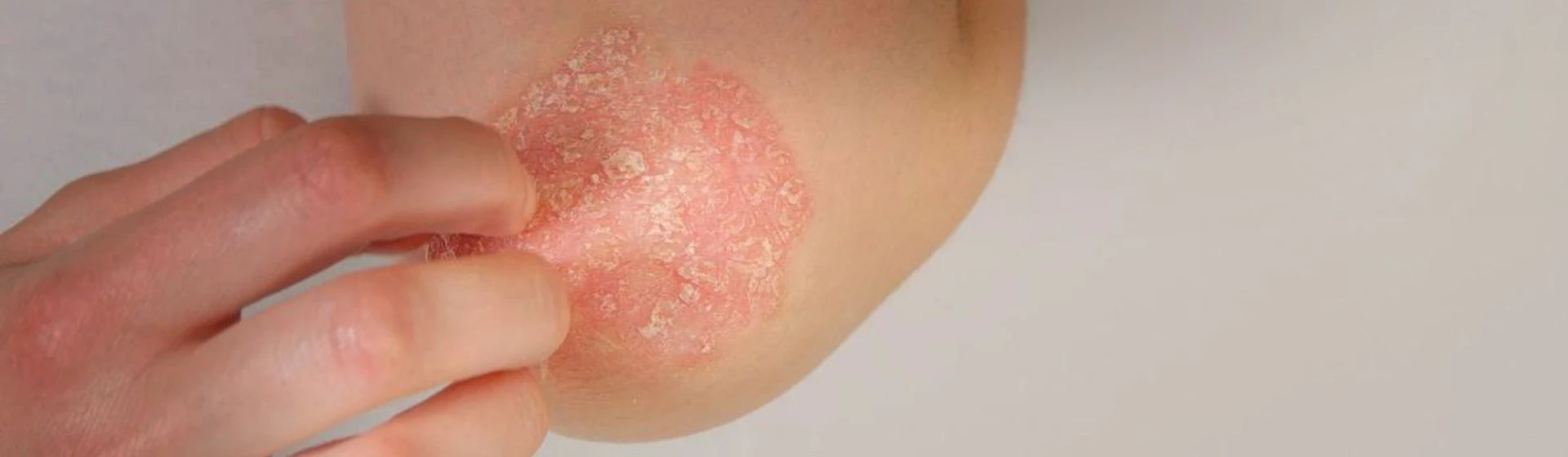
Tinea versicolor treatment
Pityriasis versicolor is a fungal skin disease that affects the stratum corneum of the epidermis. The pathogen is transmitted from person to person, but specific conditions are required for the development of the condition.
Infection with Pityriasis Versicolor
The fungus that causes the disease is easily transmitted between individuals; however, the appearance of the condition is only possible in people with a specific skin metabolism and reduced local immunity. In all other cases, the fungus does not cause harm.
Favorable skin conditions for fungal growth may occur under the influence of various factors:
-
underlying diseases (of the digestive, immune, or endocrine systems);
-
prolonged use of medications (skin protection may be weakened, for example, during long-term use of corticosteroids);
-
lifestyle factors (wearing tight synthetic clothing);
-
genetically determined predisposition.
Symptoms of Pityriasis Versicolor
If the skin becomes a suitable environment for the fungus, its active reproduction begins, disrupting the function of melanocytes — the cells that produce the pigment melanin.
The appearance of pityriasis versicolor is accompanied by the following symptoms:
-
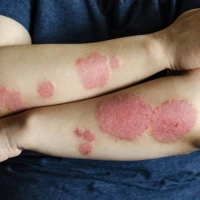
the appearance of small spots in white, light brown, pink, or red colors with clear borders (hence the alternative name — tinea versicolor);
-
possible development of fine, bran-like scaling (not in all cases).
In some cases, itching and hyperhidrosis (excessive sweating) may occur.
In 95% of cases, the upper part of the body — above the waist — is affected. The condition most commonly occurs in adolescents and young men.
Diagnosis and Treatment of Pityriasis Versicolor
Self-diagnosis and treatment of dermatological conditions are almost impossible due to the fact that their symptoms are often very similar. This also applies to pityriasis versicolor — without consulting a doctor, it is easy to confuse it with Gibert's roseola (pink lichen) or vitiligo.
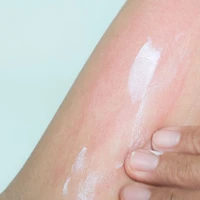
To make a diagnosis, the doctor conducts a physical examination and, if necessary, prescribes a skin scraping for fungal testing. If the patient is diagnosed with pityriasis versicolor, treatment is prescribed, consisting of external therapy (applying ointments, creams, and solutions to the skin) and mandatory disinfection of the patient’s personal items. All outerwear, underwear, headwear, and personal hygiene items must be disinfected.
Therapy for pityriasis versicolor requires mandatory monitoring by a dermatologist, as both asymptomatic and symptomatic treatments initiated by patients themselves are often ineffective and lead to relapses.
Even after effective treatment, residual skin discoloration may persist for some time. These spots gradually disappear over a period of several weeks to several months.
You can get rid of pityriasis versicolor with the help of dermatologists at the «Oxford Medical» clinic. You can book an appointment by filling out the form on the website or calling us by phone.


Advantages of Oxford Medical Dermatology in Kyiv

Comprehensive treatment approach. We treat not only symptoms but also eliminate the root cause of the disease.
Modern equipment. We use advanced technologies for accurate diagnosis and effective treatment.
Individual therapy programs. Treatment plans are developed considering the specifics of the disease course.
Experienced dermatologists. Consultations are provided by specialists with extensive clinical experience and high qualifications.

Our doctors
 4.92
4.92  18+
18+  18+ Years of experience
  Kyiv, Mykhayla Hryshka St., 1
 4.96 25+
  25+ Years of experience Kyiv, Knyaziv Ostrozkyh St., 46/2 Kyiv, Oleksandra Olesia St., 2
  4.95 16+ 16+ Years of experience Kyiv, Hlybochytska St., 40x
  4.95 20+ 20+ Years of experience Kyiv, Vasyl Lypkivskoho St., 38


 in the clinic
  online

 Hello!
Let's take care
about your health:

