

 Adults Adults Adults Adults Adults Adults Adults Adults Adults
  Children Children Children Children


 Hotline:
 Adults Adults Adults Adults Adults Adults Adults Adults Adults Children Children Children Children



Rosacea Treatment
Rosacea Treatment (Acne Rosacea)
Rosacea is a chronic skin condition that presents as redness on certain areas of the skin and the appearance of various rashes on the face. Quite often, rosacea is accompanied by eye involvement. Acne rosacea typically affects women, especially before the onset of menopause.
Causes of Rosacea
Factors that to some extent contribute to the development of this condition include:
-
weakened immunity;
-
stress, nervous disorders;
-
increased sensitivity of blood vessels to external irritants;
-
gastrointestinal diseases;
-
endocrine disorders;
-
demodicosis — a condition caused by the Demodex folliculorum mite;
-
presence of Helicobacter pylori bacteria;
-
poor diet;
-
intense ultraviolet radiation exposure;
-
alcohol abuse.
Symptoms of Rosacea
Signs indicating the disease include:
-
Facial redness, usually affecting the central part of the face, and sometimes extending to the chest and back.
-
Facial rashes — small pink bumps that gradually develop into pimples and acne.
-
Vascular dilation, the appearance of red spider veins.
-
Itching, burning, and a feeling of tightness in the skin.
-
Eye involvement.
Stages of Rosacea
There are three main forms or stages of rosacea development:
- First stage – Erythematous-telangiectatic. Characterized by the appearance of small blood vessels on the skin and mild redness, along with slight itching, burning, and a tingling sensation.
- Second stage – Papulopustular. Manifests as swelling and pink papules up to 5 mm in diameter on the nose, cheeks, forehead, and other areas of the face.
- Third stage – Pustular-nodular. Characterized by the formation of spider veins and pronounced redness. Plaques and papules appear, which may merge into large spots. Connective tissue becomes denser, potentially leading to scarring.
Diagnosis of Rosacea
To make an accurate and correct diagnosis, a patient’s appearance is not enough. Doctors conduct a thorough examination of the skin, and in some cases, analyze the facial skin microbiome and blood vessels. Based on the results, the specialist makes a diagnosis and develops the most effective treatment plan. To differentiate rosacea from similar skin conditions, blood tests are taken from women.
Rosacea Treatment
Rosacea treatment can be local or systemic. Local therapy includes the use of various ointments and creams, cold compresses with yarrow infusion, and other herbal remedies. The treatment course usually lasts from several weeks to several months, as vascular rosacea is a chronic condition and does not resolve quickly. Antibiotics are often used to treat rosacea. In the most severe cases, more advanced treatment methods are used. In later stages, techniques such as electrocoagulation, dermabrasion, cryodestruction, specific laser treatments, and certain types of peels are effectively applied.
The dermatology department at Oxford Medical uses combined methods to treat this condition, selecting specific means based on the patient's form and stage of the disease. Our dermatologists and cosmetologists work together, enabling effective control of the disease, symptom relief, and restoration of affected skin areas.
Features of Rosacea Treatment During Pregnancy
During pregnancy, most medications are contraindicated due to potential negative effects on fetal development. When possible, rosacea treatment is postponed until after childbirth or at least until the second trimester begins.
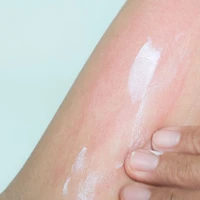
To alleviate symptoms, the doctor may recommend topical treatments: lotions, creams, and ointments, preferably with natural ingredients. These help moisturize the skin, reduce swelling, and decrease redness.
In severe cases, the doctor may consider prescribing medications, weighing the benefits for the mother against the risks to the fetus.
During pregnancy, all medications and cosmetic products should be used only in consultation with specialists.
Skin Care for Rosacea
Proper skin care is crucial with rosacea to avoid exacerbating the condition and to maintain the effectiveness of treatment. It is best to consult a cosmetologist, who can assess the skin condition and recommend suitable skincare products. The key rule is to use cosmetics with safe ingredients (no alcohol, abrasive particles, etc.).
If spider veins are present, it is not recommended to:
-
perform facial massage;
-
allow excessive cooling of the skin (such as using ice cubes);
-
take hot baths or visit steam rooms and saunas;
-
stay in the sun without applying sunscreen;
-
use chemical peels or scrubs with abrasive particles on your own.


Advantages of Oxford Medical Dermatology in Kyiv

Comprehensive treatment approach. We treat not only symptoms but also eliminate the root cause of the disease.
Modern equipment. We use advanced technologies for accurate diagnosis and effective treatment.
Individual therapy programs. Treatment plans are developed considering the specifics of the disease course.
Experienced dermatologists. Consultations are provided by specialists with extensive clinical experience and high qualifications.

Our doctors
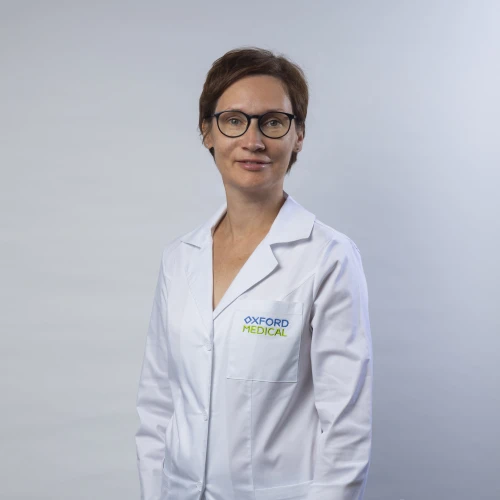
 4.91
4.91  23+
23+ 
 23+ Years of experience
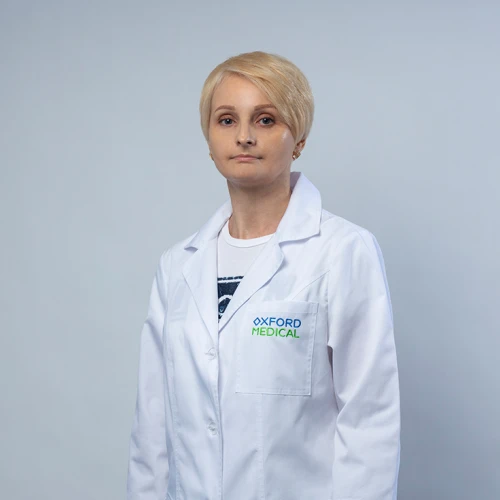 4.92 18+ 18+ Years of experience
  Kyiv, Mykhayla Hryshka St., 1
  4.96 25+ 25+ Years of experience Kyiv, Knyaziv Ostrozkyh St., 46/2 Kyiv, Oleksandra Olesia St., 2
 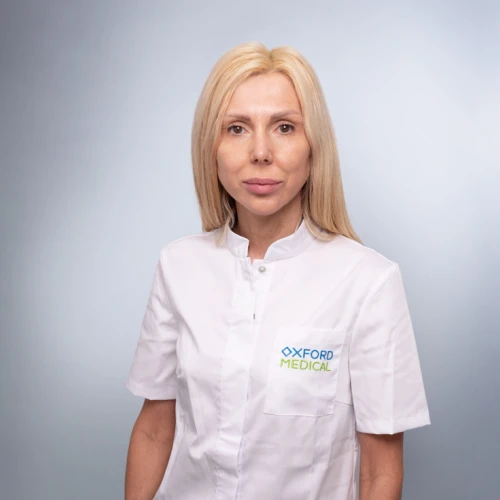 4.95 16+ 16+ Years of experience Kyiv, Hlybochytska St., 40x


 in the clinic
  online

 Hello!
Let's take care
about your health:

