Sign up via call center
Department
Vitiligo treatment at Oxford Medical Kiev private clinic

Treatment of vitiligo

Vitiligo is a chronic skin disease, and in the modern classification of dermatological conditions, it belongs to the group of skin dyschromias (from Greek dyschromia cutis — pigmentation disorder). In vitiligo, certain areas of the dermis become depigmented, losing their natural color due to the loss of function of melanocytes — the destruction of the melanin pigment.

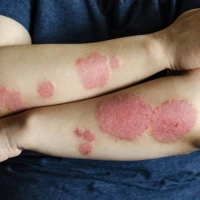
Visually, vitiligo appears as white patches and mottled spots on the skin. Although this condition does not pose a serious threat to human health, it causes significant psychological discomfort — both for the patient and those around them. The causes of vitiligo are still not fully understood, although there are official statistics on this type of dermatosis:

  • Vitiligo can develop at any age, but people aged 10 to 30 are at the highest risk (up to 50% of all disease onset cases);

  • Vitiligo has no racial boundaries and affects people of all skin colors;

  • In total, about 3% of the global population suffers from vitiligo;

  • Women are more prone to this disease than men;

  • In addition to the skin, vitiligo can also affect the retina of the eyes, hair, and even the meninges, although such cases are extremely rare.

Vitiligo: causes

Several theories exist regarding the causes of vitiligo:

  • Autoimmune theory: Destruction of melanocytes (melanin-containing skin cells) due to improper interaction with malfunctioning immune system cells.

  • Neurogenic theory: Damage to melanocytes through the nervous system.

  • Genetic theory: Vitiligo is caused by genetic predisposition.

Modern medicine also identifies several likely trigger factors for the onset and development of vitiligo:

  • Inherited metabolic disorders;

  • Poor nutrition during intrauterine development, fetal damage;

  • Malfunction of the thyroid, adrenal, and other endocrine glands and systems;

  • Tissue undernourishment against the background of chronic digestive system diseases;

  • Stress, leading to vascular disorders and metabolic disturbances at the cellular level.

Additionally, exposure to various chemicals on the skin and the use of certain medications are also considered possible causes. The combination of several of these factors increases the risk of developing vitiligo.

Symptoms of vitiligo

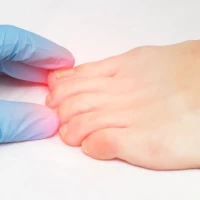
The main symptom of vitiligo is the appearance of characteristic white patches on the skin (their hue can vary from milky white to bluish or ivory) with well-defined borders. These patches are most commonly found on the face, hands, and feet, as well as in the groin and perianal areas. In some cases, spots may also appear on mucous membranes, hairy areas of the scalp, and the mustache and beard zones in men. The only areas of the skin never affected by vitiligo are the soles of the feet and the palms.

Pigmentation disorders in vitiligo are divided into several types:

  • Patches of three different shades of white with a pigmented border.

  • Patches of four shades, bordered by a darker color.

  • Patches that represent inflamed areas of skin with a slightly raised edge.

  • Patches with a bluish tint.

In addition to the main symptom (white skin patches), vitiligo may be accompanied by other conditions and bodily responses:

  • Alopecia areata (patchy hair loss);

  • Graying or lightening of hair in affected areas;

  • Chorioretinitis — an eye condition involving inflammation of the posterior segment and retina;

  • Psoriasis;

  • Lichen planus;

  • Scleroderma;

  • Disruption of sweating processes, absence of skin response to cold and other stimuli;

  • Loss of some pilomotor and vasomotor reflexes;

  • Various types of dermatitis;

  • Reduced liver detoxification capacity.

White spot disease is non-contagious and rarely causes physical discomfort — pain or other subjective sensations. Only in 10% of cases do patients report itching in the affected areas, most likely due to sun exposure on the depigmented skin patches.

Pathology and types of vitiligo

Vitiligo is a chronic skin condition characterized by the loss of pigmentation in certain areas of the skin due to dysfunction of melanocytes. The clinical forms of vitiligo are determined by the nature of the spread of depigmentation, its localization, and the dynamics of the disease.

Localized vitiligo

This form is characterized by limited areas of depigmentation without a tendency to spread to other parts of the body and is most often observed in the early stages of the disease.

Localized forms include:

  • Focal vitiligo — the appearance of one or several isolated white patches without symmetrical distribution;

  • Segmental vitiligo — depigmentation limited to one body segment or dermatome, usually unilateral;

  • Mucosal vitiligo — involvement of the mucous membranes of the lips, oral cavity, or external genital organs.

Localized vitiligo usually has a more stable course and less frequently progresses to widespread forms, allowing more effective disease control when medical care is sought in a timely manner.

Generalized vitiligo

The most common form of vitiligo, characterized by symmetrical distribution of depigmented patches and a tendency to progression.

The following variants of generalized vitiligo are distinguished:

  • Acrofacial vitiligo — involvement of the face, hands, and feet;

  • Vitiligo vulgaris — multiple symmetrical patches on different areas of the body;

  • Mixed vitiligo — a combination of several clinical variants of the generalized form.

Generalized vitiligo requires comprehensive and long-term treatment, as it carries a higher risk of progression and has a more significant impact on appearance and quality of life.

Universal vitiligo

A rare form of the disease in which depigmentation affects more than 80–90% of the skin surface.

Universal vitiligo usually develops against the background of a long-term progressive disease course and requires an individualized treatment approach and continuous dermatological monitoring.

Course characteristics of vitiligo

The activity of the pathological process is assessed separately, as it is of key importance for selecting therapeutic strategies.

  • Active vitiligo — the appearance of new depigmented patches or enlargement of existing ones;

  • Stable vitiligo — absence of changes in the number and size of patches over a prolonged period.

Assessment of the course characteristics of vitiligo enables the physician to select an optimal treatment strategy and evaluate the prognosis for an individual patient.

Diagnosis of vitiligo

The diagnosis of vitiligo is performed by a dermatologist during an in-person consultation and is primarily based on the clinical presentation of the disease. Already at the initial examination stage, the physician assesses the characteristics of depigmented areas, their localization, size, symmetry, and progression dynamics, which in most cases makes it possible to suspect vitiligo.

To clarify the boundaries of the affected areas and exclude other dermatological conditions, examination using a Wood’s lamp may be applied. This approach helps to carry out differential diagnosis with other skin diseases.

If clinically indicated, the physician may recommend additional examinations aimed at identifying associated disorders of the immune or endocrine systems. In some cases, related specialists may be involved in the diagnostic process if the course of the disease or the patient’s general condition requires it.

Modern methods of treating vitiligo

Since vitiligo is most often considered a cutaneous marker of various internal disorders, highly qualified dermatologists at the Oxford Medical clinic apply a comprehensive approach to its treatment. In general, treatment of vitiligo in Ukraine involves an individualized selection of therapy, taking into account the form of the disease, the extent of depigmentation, and associated conditions.

In clinical practice, it is sometimes observed that manifestations of vitiligo may decrease when concomitant disorders are treated, particularly diseases of the liver, gallbladder, gastrointestinal tract, thyroid gland, and cardiovascular system. Therefore, comprehensive therapy may include medications aimed at improving the function of these organs and managing associated conditions.

It is clear that such therapy is not the only approach to managing vitiligo. Leading medical institutions, including the Oxford Medical clinic, also use phototherapy (“light therapy”), photoprotective agents, calcineurin inhibitors, and other treatment options.

Many patients are concerned about whether vitiligo can be completely treated. The answer depends on the individual characteristics of the disease course, its form, and the patient’s response to therapy. Therefore, the question of how to treat vitiligo is always considered individually after an in-person consultation with a dermatologist and the development of a personalized treatment plan.

During the treatment of vitiligo at the Oxford Medical clinic, each patient receives individualized recommendations not only regarding prescribed medications and procedures, but also concerning diet, lifestyle, skin protection from sunlight, and other related aspects. Thanks to the high level of professional expertise of the clinic’s physicians, it is possible in each case to achieve stable remission or significantly reduce the manifestations of this skin condition.

Skin care and prevention of vitiligo

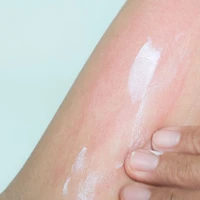
Skin care in vitiligo is an important component of a comprehensive approach to disease control. Depigmented areas of the skin are more sensitive to external factors, primarily ultraviolet radiation, and therefore require consistent and gentle care.

Key skin care and prevention recommendations include:

  • Sun protection. Daily use of high-SPF sunscreen is essential, especially when exposed areas of the body are affected, including vitiligo on the face, hands, or neck. This helps reduce the risk of sunburn and minimize the contrast between healthy and depigmented skin.

  • Gentle daily care. It is recommended to use mild cleansing and moisturizing products free of alcohol, fragrances, and aggressive ingredients that may irritate the skin.

  • Avoiding skin trauma. Mechanical friction, frequent exfoliation, aggressive cosmetic procedures, or micro-injuries may contribute to the appearance of new depigmented areas.

  • Monitoring overall health. Timely treatment of chronic conditions, a balanced diet, and adherence to a dermatologist’s recommendations are important components in preventing vitiligo progression.

  • Reducing stress exposure. Psycho-emotional stress may negatively affect the course of the disease, so attention to rest patterns and lifestyle is important.

Although it is not possible to completely prevent the development or progression of vitiligo, regular skin care and medical supervision help reduce the risk of flare-ups and maintain a stable disease course.

Services of a private clinic in Kyiv: prices for vitiligo treatment at Oxford Medical

At the private Oxford Medical clinic in Kyiv, patients with vitiligo can receive a full range of dermatological care — from a doctor’s consultation to the selection of an individual treatment plan and further follow-up. Our clinic provides high-quality medical services in Kyiv and Irpin.

The cost of vitiligo treatment is determined individually, as the therapy program may include different procedures and the use of various medications.

You can find out the price of a dermatologist consultation here. During the appointment, the doctor will assess the condition of the skin, answer your questions, and advise on possible treatment options.

To book a consultation, you can contact the clinic by phone or use the online appointment form on the website.

Frequently asked questions

How dangerous is vitiligo in adults and can it cause complications?

Vitiligo is not life-threatening and does not cause damage to internal organs. The main concerns are increased sensitivity of depigmented skin to ultraviolet radiation and psychological discomfort. In some patients, vitiligo is associated with other autoimmune conditions, which is why regular medical follow-up is recommended.

Can vitiligo be completely cured?

Currently, vitiligo cannot be completely cured, as it is a chronic condition. However, modern treatment approaches can stabilize the disease, prevent the appearance of new patches, and achieve partial or significant repigmentation. Treatment outcomes depend on the form of vitiligo, the stage of the disease, and individual skin response.

Is it possible to tan if you have vitiligo?

Tanning is not recommended for people with vitiligo. Depigmented areas lack melanin and are therefore poorly protected from ultraviolet radiation, increasing the risk of sunburn. Sun exposure can also enhance the contrast between affected and healthy skin. If sun exposure is unavoidable, high-SPF sunscreen should be used.

( Rating: 4.81 , Votes: 43 )
Our services
Consultations
Consultation with a leading dermatovenereologist
1989.00 ₴
Add Added
Consultation with a dermatologist
1100.00 ₴
Add Added
Online consultation with a dermatovenereologist
1100.00 ₴
Add Added
Dermatology services
Radiofrequency ablation of 1 skin neoplasm of the trunk larger than 10 mm
1789.00 ₴
Sign up by the call center
Skin punch biopsy up to 8 mm
3889.00 ₴
Sign up by the call center
Plasma therapy (PRP) for hair
3489.00 ₴
Sign up by the call center
Radiofrequency ablation of 1 nevus
1489.00 ₴
Sign up by the call center
Radiofrequency ablation of 1 skin neoplasm in the ciliary margin of the eyelid larger than 10 mm
1789.00 ₴
Sign up by the call center

Advantages of Oxford Medical Dermatology in Kyiv

Comprehensive treatment approach. We treat not only symptoms but also eliminate the root cause of the disease.
 

Modern equipment. We use advanced technologies for accurate diagnosis and effective treatment.
 

Individual therapy programs. Treatment plans are developed considering the specifics of the disease course.
 

Experienced dermatologists. Consultations are provided by specialists with extensive clinical experience and high qualifications.
 

Our doctors

Perepelova Valentina Vasylivna
4.92
rating (12)
18+
Years of experience
Dermatovenereologist of the highest category
18+ Years of experience
Consultation 1100
Kyiv, Mykhayla Hryshka St., 1
Make an appointment
Vaslauh Igor Vitaliyovych
4.96
rating (27)
25+
Years of experience
Online consultation
Dermatologist of the highest category
25+ Years of experience
Consultation 1100
Kyiv, Oleksandra Olesia St., 2
Kyiv, Knyaziv Ostrozkyh St., 46/2
Make an appointment
Potapchuk Irina Stanislavovna
4.95
rating (19)
14+
Years of experience
Category II dermatovenereologist, cosmetologist
14+ Years of experience
Consultation 1100
Kyiv, Hlybochytska St., 40x
Make an appointment
Abrahamian Hayk Oganesovich
4.95
rating (56)
20+
Years of experience
Online consultation
Dermatovenereologist of the highest category
20+ Years of experience
Consultation 1100
Kyiv, Vasyl Lypkivskoho St., 38
Make an appointment
All doctors
Reviews
Ростислав 13.01.2026
Звернувся з дитиною після тривалих шлункових проблем. Лікарка швидко зорієнтувалася в ситуації, описала можливі причини та запропонувала план обстежень без зайвих процедур. Ірина Всеволодівна вміє знайти контакт з дітьми, пояснює все так, щоб усе стало зрозумілим навіть батькам без медичного досвіду. Приємне враження. Дякую
Star Star Star Star Star
Марія 13.01.2026
Лілія Миколаївна уважно поставилася до моєї проблеми, оглянула шкіру та детально розпитала про попередній догляд. Запропонувала кілька підходів до лікування, пояснила їхні переваги. Дуже сподобався спокійний стиль спілкування та вміння заспокоїти пацієнта.
Star Star Star Star Star
Current information
All Articles
Sign up
in the clinic
online
This site is protected by reCAPTCHA technology, and the Google Privacy Policy and Terms of Service apply.
Hello!
Let's take care
about your health:
Sign up via call center

We use cookies and other technologies to remember your preferences and find out exactly how you use and interact with the site.

By using our site, you also agree to the terms of the "User Agreement" and "Regulation on the processing and protection of personal data". By clicking "I AGREE", you consent to the processing of your data.