Sign up via call center
Department
Mastectomy

Mastectomy

Cost of services
Consultations
Consultation with a surgeon
1200.00 ₴
Order
Consultation with an oncologist (mammologist)
1200.00 ₴
Order
Consultation with a leading oncologist (mammologist)
2100.00 ₴
Sign up by the call center
Online consultation with an oncologist (mammologist)
1200.00 ₴
Sign up by the call center

Mastectomy is a surgical operation during which the breast is completely removed. It is most often performed to treat cancer. In some cases, breast reconstruction is performed simultaneously using implants or skin and fatty tissues taken from other areas of the patient's body.

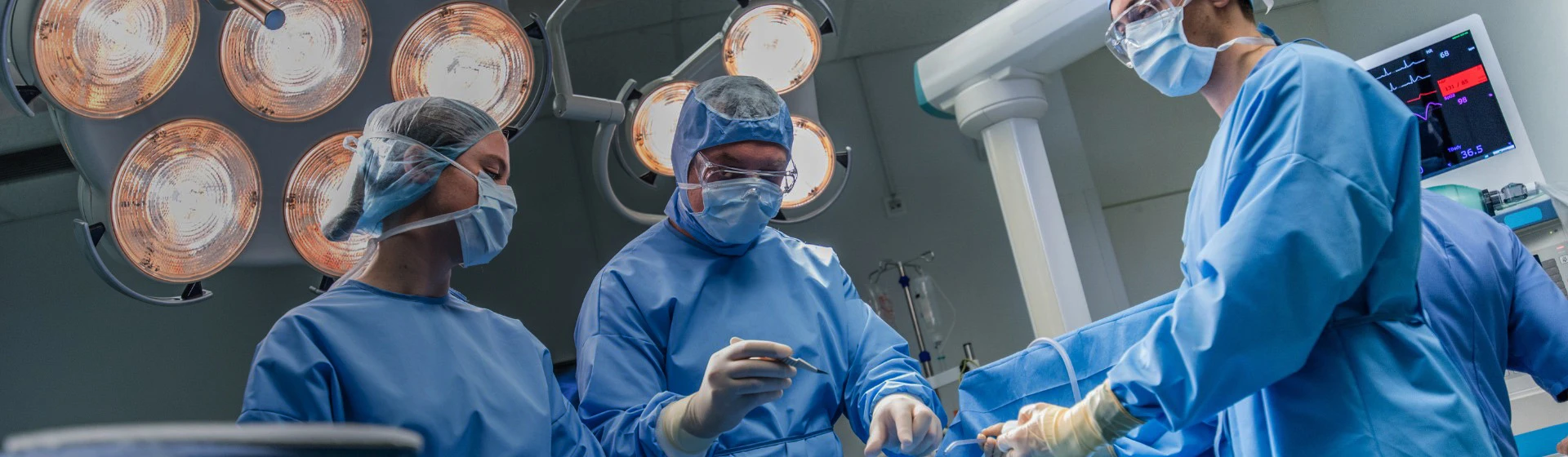
At the Oxford Medical medical center in Kyiv, mastectomy is performed by experienced surgical oncologists in modern operating rooms equipped with expert-class equipment. Comfortable single and double hotel-style rooms are provided for recovery after surgery.

To receive individual recommendations and discuss possible treatment methods, schedule a consultation with a surgical oncologist by phone or through the online appointment form on the website.

Types of Mastectomy

Mastectomy may differ in the extent of surgical intervention, the need to remove lymph nodes, and the possibility of preserving the skin and nipple. The choice of method depends on the characteristics of the disease and plans for breast reconstruction.

The main types of mastectomy are:

  • Total mastectomy (simple) — removal of the breast together with the skin, nipple, and areola. The chest muscles are preserved.
  • Modified radical mastectomy — removal of the breast and axillary lymph nodes while preserving the chest muscles.
  • Radical mastectomy — removal of the breast, axillary lymph nodes, and chest muscles. Today, this intervention is performed rarely, mainly when the tumor has spread to the muscles.
  • Skin-sparing mastectomy — removal of the breast tissue, nipple, and areola while preserving most of the skin for breast reconstruction.
  • Nipple- and areola-sparing mastectomy — removal of the glandular tissue while preserving the skin, nipple, and areola if they are not affected by the tumor.

Depending on the number of breasts removed, unilateral and bilateral mastectomy are distinguished. During a bilateral operation, both breasts are removed. It may be performed for bilateral cancer or to reduce the risk of the disease in women with a high hereditary predisposition.

Doctors at Oxford Medical emphasize that when choosing the type of mastectomy, it is important to consider not only the extent of the disease but also the possibility of subsequent breast reconstruction. This allows treatment to be planned in advance and, when there are appropriate medical indications, to combine tumor removal with restoration of the breast's shape.

Mastectomy:
Indications and Contraindications

Mastectomy is most often performed for breast cancer when breast-conserving
treatment is not suitable for medical reasons.

The main indications for surgery are:

inflammatory breast cancer

large malignant tumor;

several malignant lesions in different areas;

recurrence after lumpectomy (sectoral resection).

List of diseases

In some cases, surgery is recommended to reduce a high hereditary risk of the disease. According to the National Cancer Institute, preventive bilateral mastectomy reduces the risk of developing breast cancer by at least 95% in women with pathogenic BRCA1 or BRCA2 mutations. However, the decision to remove the breast in women is made individually after assessing the risks.

At the same time, even when indications are present, mastectomy cannot always be performed. Before surgery, the doctor assesses the patient's health condition and possible risks.

The main contraindications and limitations to mastectomy are:

  • a severe condition of the patient in which the risks of surgery and anesthesia outweigh the expected benefits;
  • acute infectious diseases or exacerbations of concomitant diseases that require prior treatment;
  • uncontrolled blood clotting disorders that significantly increase the risk of bleeding;
  • an advanced oncological process in which surgical intervention has no therapeutic purpose or will not provide the expected result.

Doctors at Oxford Medical emphasize that before choosing a treatment method, it is necessary to assess the extent of the disease and the patient's general condition. In certain cases, medication-based antitumor treatment is prescribed before mastectomy to reduce the size of the tumor before its surgical removal.

Preparation for Breast Removal

Before mastectomy, a comprehensive examination is performed to clarify the diagnosis, assess the extent of the disease, and determine the scope of the operation. The list of examinations depends on the results of previous diagnostics, the patient's health condition, and the planned intervention.

Preparation for mastectomy includes:

  • breast ultrasound, mammography, and MRI if indicated;
  • CT or for the detection of metastases;
  • core needle biopsy of the breast for histological examination;
  • laboratory blood tests, a coagulation profile, ECG, and additional examinations if indicated;
  • a consultation with an anesthesiologist to assess risks and select the method of anesthesia.

Before the intervention, you need to inform the doctor about the medications you regularly take. This particularly applies to medications that affect blood clotting. If necessary, the doctor will adjust their administration regimen.

Mastectomy is performed under general anesthesia, so eating is usually prohibited for 6–8 hours before surgery. As a rule, drinking water is allowed no later than 2 hours before the intervention.

Mastectomy: Course of the Operation

Mastectomy is performed under general anesthesia. The operation usually lasts 1.5–3 hours, depending on its extent. If breast reconstruction is performed at the same time, the duration of the intervention increases.

The main stages of mastectomy are:

  • Preparation for surgery. After administering anesthesia, the surgeon treats the skin with an antiseptic and marks the incision area according to the selected type of mastectomy.
  • Surgical access. The doctor makes an incision on the breast. Its location depends on the extent of the tumor and the need to preserve the skin or nipple.
  • Removal of the breast. The surgeon separates the glandular tissue from the skin and chest muscles and removes it. If oncologically indicated, a sentinel lymph node biopsy or removal of the axillary lymph nodes is also performed.
  • Breast reconstruction. If simultaneous restoration of the breast shape is planned, the surgeon places an implant or uses tissues from other areas of the patient's body.
  • Placement of drains. If necessary, thin tubes are placed to drain fluid that may accumulate in the surgical area.
  • Completion of the intervention. The surgeon stops the bleeding, applies sutures and a sterile dressing.

The removed tissues are sent for histological examination. Its results help clarify the extent of the tumor process and determine the need for further treatment.

Postoperative Period After Mastectomy

After mastectomy, the patient usually stays in the hospital for 1–3 days under medical supervision. During the first few days, pain, swelling, bruising, and a feeling of tightness in the surgical area may occur. To reduce pain, the doctor prescribes painkillers.

During recovery after mastectomy, it is recommended to:

  • take prescribed medications and undergo dressing changes on time;
  • care for the postoperative wound according to the surgeon's recommendations;
  • avoid lifting heavy objects and intense physical activity for 4–6 weeks;
  • gradually exercise the arm and shoulder joint on the operated side;
  • wear a special postoperative bra;
  • attend follow-up examinations to assess healing and ensure timely removal of sutures.

Most patients gradually return to their usual activities within 4–6 weeks. If breast reconstruction or removal of the axillary lymph nodes was performed at the same time, recovery may take longer.

Doctors at Oxford Medical recommend contacting a surgeon if pain or swelling increases after surgery, body temperature rises, or pronounced redness or discharge from the wound appears. Such symptoms may indicate an infection or other postoperative complications.

Breast Reconstruction After Removal of the Gland

After mastectomy, the shape and volume of the breast can be restored through reconstructive surgery. It is performed simultaneously with breast removal or later, after completion of the main treatment. The choice of method depends on the extent of the mastectomy, the condition of the tissues, the need for radiation therapy, and the patient's wishes.

The following are used for breast reconstruction:

  • implants — silicone prostheses that are placed under the skin or the pectoralis major muscle;
  • skin and fat flaps — tissues from the abdomen, back, or thighs that are used to restore the shape and volume of the breast;
  • combined method — placement of an implant and use of skin and fat tissues from the abdomen, back, or other areas of the body to cover it and restore the natural shape of the breast.

If necessary, the nipple and areola are reconstructed as a separate stage. Correction of the other breast may also be required to achieve symmetry.

According to the National Cancer Institute, radiation therapy can affect tissue healing and the outcome of reconstruction. Therefore, in some cases, breast reconstruction is recommended after completion of radiation treatment.

Reconstruction is not mandatory after mastectomy. The decision to perform it and the optimal timing are determined together with the surgeon, taking into account medical indications and the patient's wishes.

How Much Does Mastectomy Cost in Kyiv at the Private Clinic Oxford Medical

The price of mastectomy depends on the type and complexity of the operation, the need to remove lymph nodes, and the performance of breast reconstruction. A surgical oncologist will be able to provide an estimated price after the necessary examinations have been performed.

Current consultation prices can be viewed here. To schedule an appointment with a doctor, call the contact center or use the online appointment form on the website.

The information is for informational purposes only and does not replace a doctor's consultation.

Sources:

Frequently asked questions

Can You Undergo a Mastectomy at Your Own Request?

The desire to have the breasts removed without medical indications is not a basis for performing a mastectomy. At the same time, there are plastic surgeries for breast reduction, as well as mastectomy as part of gender transition. These are different surgical procedures, each of which has its own indications. Preventive surgery may also be recommended for people with a high hereditary risk of cancer due to BRCA1 or BRCA2 gene mutations.

Is It Necessary to Wear Special Underwear After Mastectomy?

After surgery, the doctor may recommend a special postoperative bra that supports the tissues and reduces discomfort during movement. The type of underwear and the duration of wearing it depend on the extent of the intervention and whether reconstruction was performed.

How Does Removal of the Breasts Affect the Body?

After surgery, changes in skin sensitivity, a feeling of tightness, and limited shoulder mobility are possible. If the axillary lymph nodes were removed, there is also a risk of developing arm lymphedema.

How Long Does the Breast Take to Heal After Mastectomy?

Initial healing of the postoperative wound usually takes 2–3 weeks, while overall recovery takes about 4–6 weeks. During this period, swelling, tenderness, and a feeling of tissue tightness gradually decrease. If breast reconstruction was performed or axillary lymph nodes were removed at the same time, recovery may take longer.

( Rating: 4.78 , Votes: 58 )
Surgical ward

Advantages of Oncological Surgery at Oxford Medical Clinic

Experienced cancer surgeons. Operations are performed by specialists with many years of experience in surgical interventions.

Modern operating rooms. The surgical unit is equipped with expert-class equipment for performing complex surgeries.

Comprehensive diagnostics. The clinic offers ultrasound, mammography, CT, MRI, and laboratory tests in preparation for surgery.

Comfortable inpatient facilities. Single and double rooms ensure a comfortable environment for your stay and recovery following surgery.

Our doctors

Pukhlikov Oleksiy Alexandrovich
4.96
rating (49)
14+
Years of experience
Online consultation
Mammologist, oncologist
14+ Years of experience
Consultation 1200
Kyiv, Hlybochytska St., 40x
Make an appointment
Valetskyi Valeriy Leontiyovych - surgeon-oncologist of the highest category, candidate of medical sciences, private clinic Oxford Medical Kyiv
4.62
rating (26)
42+
Years of experience
Surgeon-oncologist of the highest category, Candidate of Medical Sciences
42+ Years of experience
Consultation 2100
Kyiv, st. Bereznyakivska, 30b
Make an appointment
Kulay Alina Anatolyevna – mammologist at the private clinic “Oxford Medical Kyiv”
0
rating (0)
6+
Years of experience
Mammologist
6+ Years of experience
Consultation 1200
Make an appointment
Doctor at the private clinic Oxford Medical Kyiv
4.92
rating (12)
6+
Years of experience
Mammologist, surgical oncologist, ultrasound specialist
6+ Years of experience
Consultation 1200
m. Kyiv, Parkovo-Syretska St., 7A
Make an appointment
All doctors
Reviews
Віктор 21.09.2026
Звернувся до Костянтина Вікторовича за другою думкою щодо необхідності операції на хребті. Лікар уважно переглянув усі знімки, провів огляд і детально пояснив можливі варіанти лікування. Сподобалося, що нічого не нав'язував, а аргументовано відповів на кожне запитання. Зараз дотримуюся його рекомендацій, самопочуття поступово покращується.
Star Star Star Star Star
Віктор 17.09.2026
Потрапив до Костянтина Вікторовича через біль у шиї та оніміння руки. На прийомі лікар детально розпитав про симптоми, перевірив результати обстежень і зрозуміло пояснив ситуацію. Пройшов призначене лікування, після якого оніміння зменшилося, а рухати шиєю стало набагато легше. Задоволений результатом.
Star Star Star Star Star
Current Information
All Articles
Sign up via call center
in the clinic
online
This site is protected by reCAPTCHA technology, and the Google Privacy Policy and Terms of Service apply.
Hello!
Let's take care
about your health:
Sign up via call center

We use cookies and other technologies to remember your preferences and find out exactly how you use and interact with the site.

By using our site, you also agree to the terms of the "User Agreement" and "Regulation on the processing and protection of personal data". By clicking "I AGREE", you consent to the processing of your data.