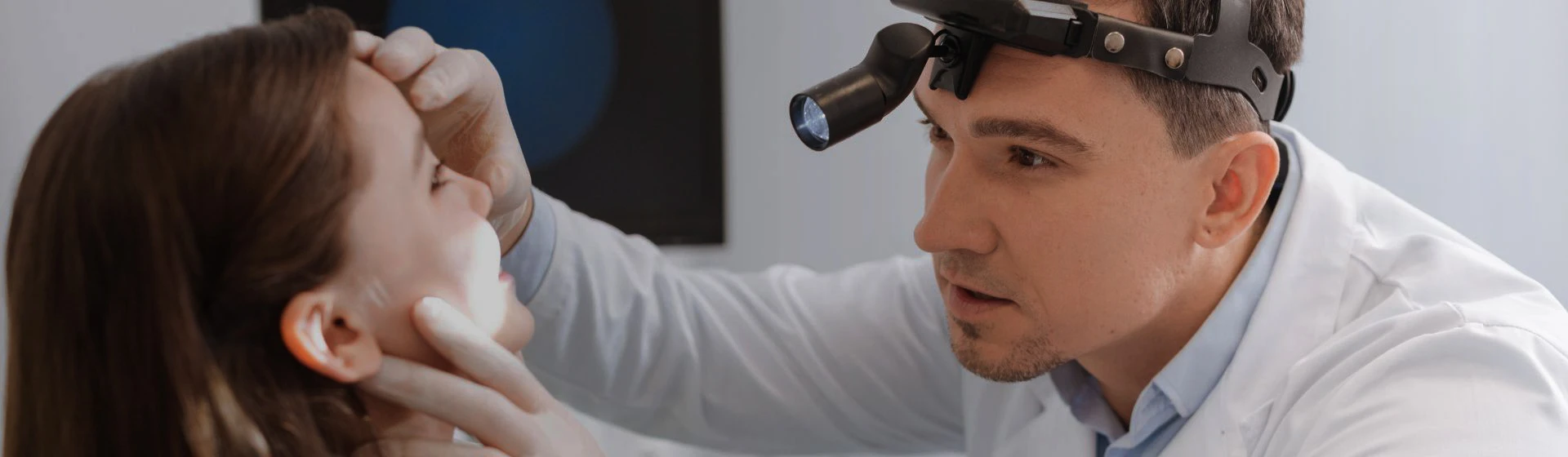
The doctor determines the treatment tactics individually after the examination. It depends on the severity of symptoms, duration of the disease, presence of concomitant pathologies, and effectiveness of previous therapy. The main goal of treatment is restoration of nasal breathing and reduction of the frequency of exacerbations.
Depending on the clinical situation, the following may be used:
-
nasal corticosteroids — medications for reducing swelling and inflammation of the nasal mucosa;
-
saline solutions — for cleansing and moisturizing the mucous membrane;
-
elimination or maximum limitation of the influence of individual triggers that provoke the appearance of symptoms;
-
submucosal vasotomy of the inferior nasal turbinates — a minimally invasive intervention aimed at reducing excessive blood filling of the nasal turbinates;
-
radiofrequency reduction of the inferior nasal turbinates — a method that allows reducing the volume of tissues and improving nasal breathing;
-
cryotherapy — local exposure of the mucous membrane of the nasal turbinates to low temperatures in the presence of appropriate indications.
According to data from Allergic Rhinitis and its Impact on Asthma (ARIA), treatment of non-allergic forms of rhinitis is recommended to be carried out in stages: first, conservative methods are used, and surgical intervention is considered only when medication therapy is insufficiently effective.
Surgical treatment of vasomotor rhinitis may be recommended for patients with persistent impairment of nasal breathing that cannot be eliminated by conservative methods. The doctor chooses the type of surgical intervention individually after assessing the condition of the nasal mucosa and the severity of pathological changes.
Doctors of «Oxford Medical» note that vasomotor rhinitis is treated most effectively under the condition of a comprehensive approach. The combination of properly selected medication therapy, elimination of provoking factors and, if necessary, modern surgical methods allows achieving long-term improvement of nasal breathing and quality of life.