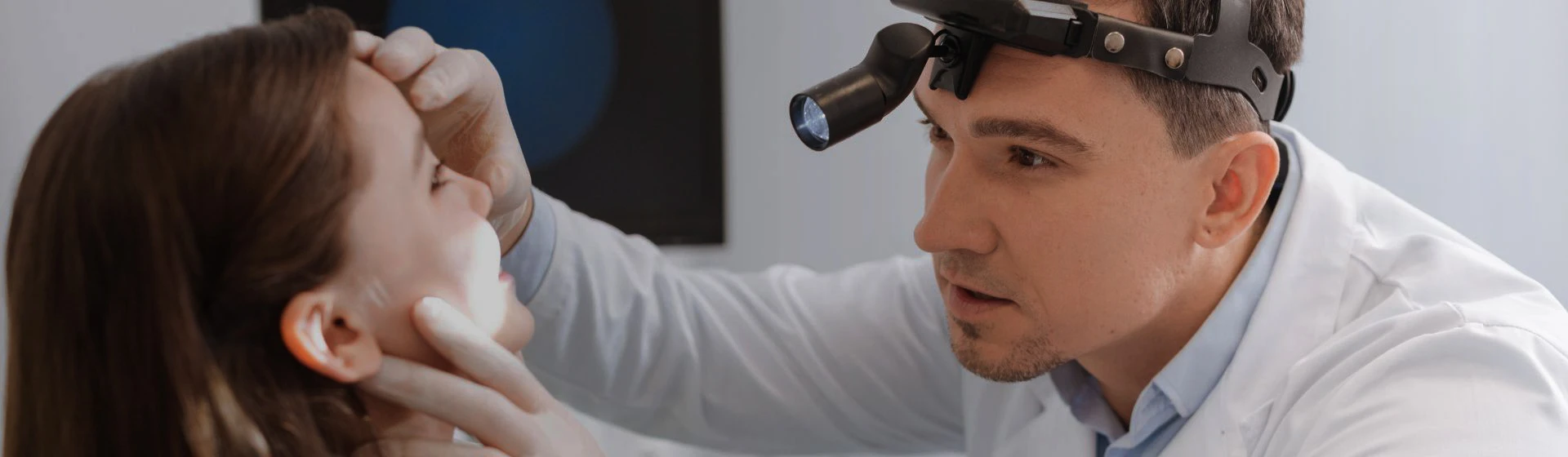
To establish a diagnosis, the otolaryngologist analyzes the patient's complaints and performs an examination of the nasal cavity. In many cases, neoplasms can be suspected already during the initial appointment, however additional examinations may be needed to clarify their size, localization, and extent.
If necessary, the following may be prescribed:
- endoscopic examination of the nasal cavity;
- X-ray of the nasal sinuses or CT;
- laboratory tests if a concomitant inflammatory process is suspected;
- allergological examination if signs of allergy are present.
Endoscopic examination allows the doctor to examine the nasal cavity in detail and determine the localization of polyps. To assess the condition of the paranasal sinuses and the extent of the process, CT of the nasal sinuses is often used. It is during such an examination that polyps in the nasal sinus may be detected, which are not always visible during a routine examination.
In the presence of concomitant diseases of the respiratory system, additional examinations may be needed. In particular, bronchoscopy may be used to assess the condition of the bronchi and exclude concomitant pathology.
Doctors of “Oxford Medical” note that accurate diagnosis is important when choosing treatment tactics. It allows determining whether conservative treatment is possible, or whether surgical intervention may be recommended to the patient.